Fibermaxxing gains traction as experts urge gradual intake increases
Fibermaxxing is pushing Americans to chase more fiber, but experts say the real win is closing the gap slowly, not overwhelming the gut overnight.
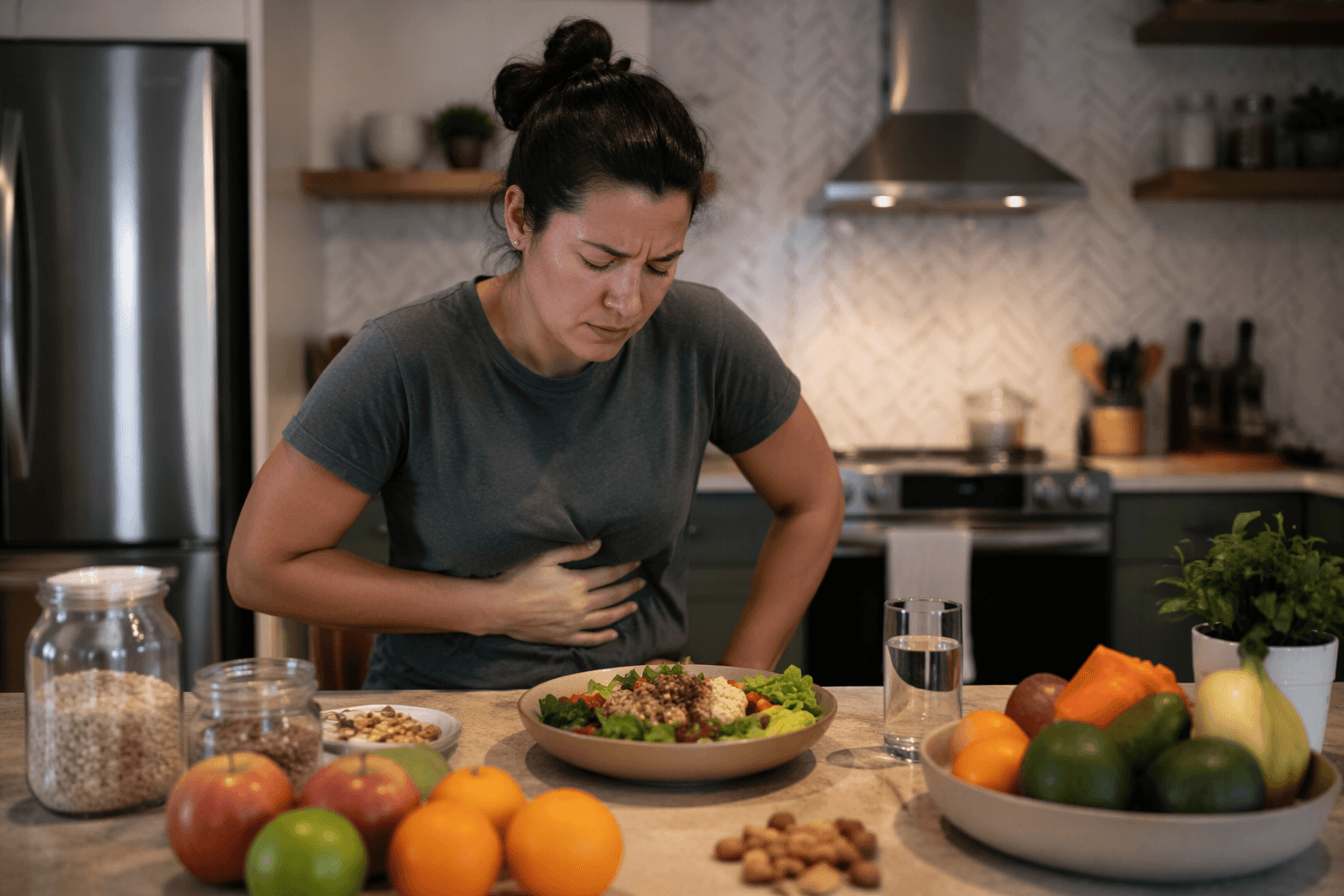
Social feeds have turned fiber into a wellness challenge, with “fibermaxxing” encouraging people to push intake up to or beyond daily targets. The trend lands in a country where most adults still fall well short: the Centers for Disease Control and Prevention says Americans get only about half the fiber they need each day, and one CNBC-cited estimate puts the average intake at just 10 to 15 grams.
The gap is large enough that the basic advice is uncontroversial. The U.S. Department of Agriculture’s Dietary Guidelines for Americans recommend 25 to 28 grams of fiber a day for women younger than 50 and 31 to 34 grams for men under 50. CDC guidance puts the target at 22 to 34 grams a day depending on age and sex. Fiber comes mainly from fruits, vegetables, whole grains and legumes, the foods most Americans still do not eat enough of.
That shortage matters beyond digestion. The CDC says fiber can help with constipation, blood sugar control and weight management, and may lower the risk of heart disease and some cancers. Public health data underscore how difficult it can be to reach those goals through whole foods alone: in 2019, just 12.3% of U.S. adults met fruit intake recommendations and 10.0% met vegetable intake recommendations, leaving many people far from the fiber-rich diet that nutrition experts want to see.
Still, the online push has a downside when it treats more fiber as automatically better. The National Institute of Diabetes and Digestive and Kidney Diseases advises people to add fiber little by little and drink plenty of liquids so the fiber works better. Increase it too fast, and the payoff can flip into bloating, gas, constipation and other gastrointestinal discomfort. High-fiber diets can also increase bloating by promoting gas production, which makes pacing especially important for anyone who already struggles with digestive symptoms.
That is why dietitians see a narrow but real benefit in the trend. For people eating far below recommended levels, a social-media nudge can help move intake in the right direction. The safer version of fibermaxxing is not a sudden overhaul or a supplement-heavy shortcut, but a gradual shift toward oats, beans, lentils, apples, berries, nuts, chia seeds and other whole foods. For people with digestive conditions, or for anyone whose symptoms worsen when fiber rises, caution matters more than hype. The public-health message is simple: fiber can help, but the gut usually prefers patience.
Know something we missed? Have a correction or additional information?
Submit a Tip