Fidelity, Vanguard pause grants to SPLC amid federal fraud indictment
Fidelity Charitable and Vanguard Charitable blocked grants to the Southern Poverty Law Center after a federal fraud indictment. The move cut off donor-advised fund access as the case unfolded.
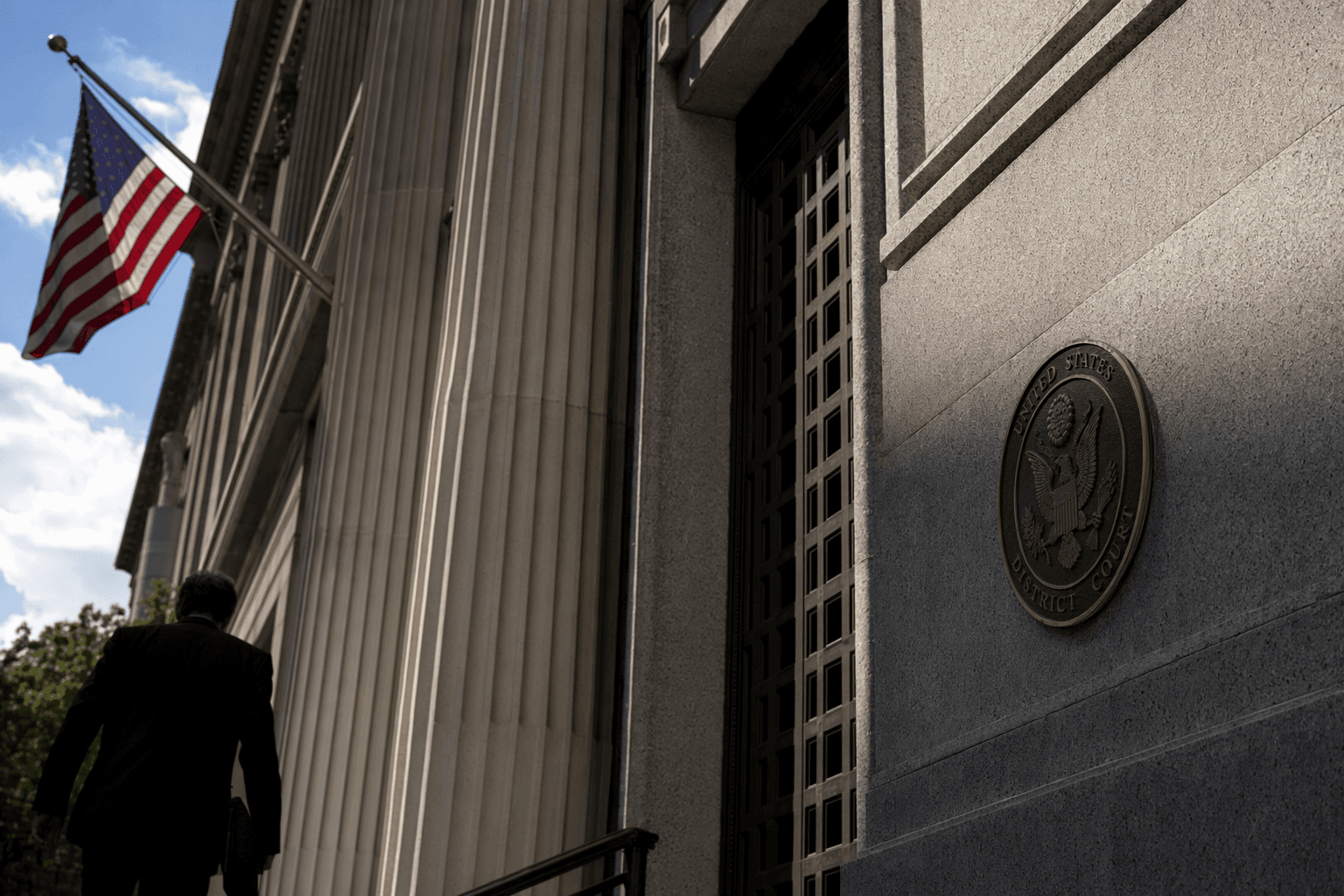
Fidelity Charitable and Vanguard Charitable have moved to freeze donor-advised fund grants to the Southern Poverty Law Center after a federal grand jury in Montgomery, Alabama, indicted the civil rights group on 11 counts. The actions have turned a criminal case into a test of how much discretion philanthropy platforms should have when a high-profile nonprofit becomes a compliance risk.
The Justice Department said the indictment, returned April 21, 2026, charges the SPLC with wire fraud, false statements to a federally insured bank and conspiracy to commit concealment money laundering. Prosecutors allege the organization secretly funneled more than $3 million in donated funds between 2014 and 2023 to individuals tied to violent extremist groups including the Ku Klux Klan, Aryan Nations and the National Socialist Party of America. Federal authorities say the payments were concealed while the group presented itself as battling hate organizations.
Fidelity Charitable told donors it was aware of an ongoing government investigation and that the SPLC was not an eligible grant recipient during the pending matter. Vanguard Charitable also paused grants while the case moves forward. For donor-advised fund account holders, the decision means money already set aside for charitable giving cannot be routed to the SPLC through those platforms for now, even as some supporters have shifted to direct donations to help finance the group’s legal defense.
The SPLC has disputed the government’s account and pushed back in federal court, arguing that law enforcement agencies had long known about its informant program. The organization has said it used paid sources to monitor threats from hate groups, not to conceal misconduct. That dispute has widened the political stakes of the indictment, with some critics treating it as an ordinary fraud case and supporters framing it as an attack on a civil rights nonprofit.
The broader question now is whether donor-advised fund sponsors should block grants as soon as a recipient is indicted, or wait for the legal process to run its course. By moving quickly, Fidelity Charitable and Vanguard Charitable have signaled that criminal exposure alone can be enough to shut off access to their platforms, a standard that could shape how intermediaries handle future cases involving advocacy groups, public controversy and federal scrutiny.
This article was produced by Prism’s automated news system from verified source data, official records, and press releases, then run through automated quality and moderation checks before publishing. The system is built and supervised by the people who set the standards it runs under. Read our full AI policy.
Did this article answer your question?

