Field-Tested Alabama Filmmaking Primer: Permits, Budgets, Scheduling, Release Strategies
Practical field-tested primer guides Alabama filmmakers through permits, budgets, scheduling and release strategies, helping local crews plan shoots and build community support.
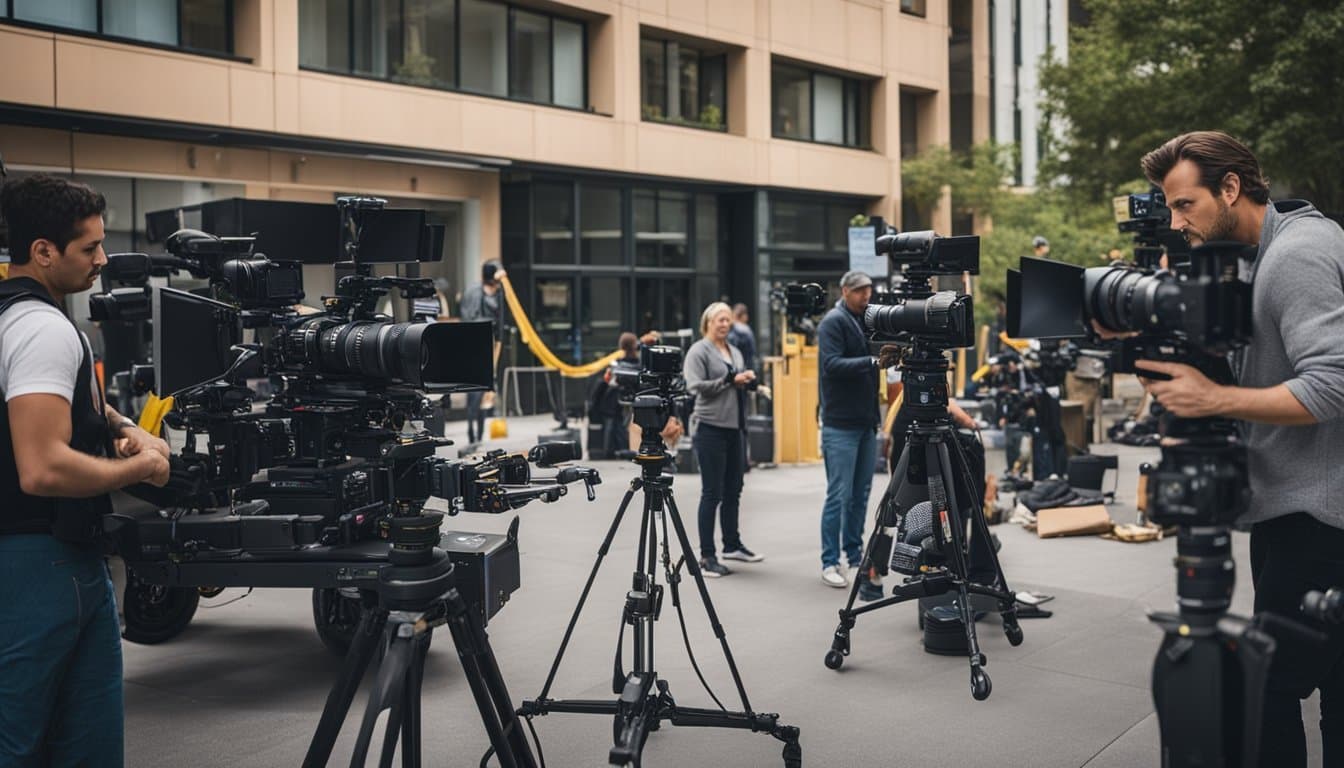
A field-tested primer maps the essentials for first-time and early-stage filmmakers working across Alabama, focusing on permits, realistic budgets, tight scheduling and practical release plans that stretch small budgets and strengthen community ties. The guide prioritizes sound, story and local partnerships as the highest-return areas for indie productions.
Start budgeting by separating above-the-line costs for writer, director and principal cast from below-the-line expenses for crew, equipment, locations, transportation and insurance. Build a 10-20% contingency line, track daily cash flow, and set a per-day production spend target for principal photography. Break scripts into scenes and pages, create a stripboard and organize a shooting schedule by location to minimize travel. Favor block-shooting to cut repeated set-up time and reduce crew hours.
Permits and permissions are non-negotiable. Identify ownership for each location - city, county, private land or business - and contact city film offices or local police departments in Birmingham, Huntsville, Mobile and Montgomery for transient filming permits and street closure policies. For private properties, secure written location agreements that specify allowed activities, parking, noise restrictions and insurance requirements. Budget for general liability and participant accident coverage; short-term day-by-day policies remain a common solution for microbudgets.
Recruit locally to reduce travel, per diem and lodging. Alabama has experienced indie crews around Birmingham, Huntsville, Mobile, Tuscaloosa and Montgomery. Source assistants, grips and PAs through local Facebook groups, film co-ops, community colleges and production programs at UAB, USA and UA. Cast regionally from community theaters and university drama departments to capture authentic local voices and limit expenses. Use simple performer and crew agreements that specify payment terms, work-for-hire language and footage rights.
Rent smart: a modern mirrorless body with a small set of prime lenses often covers indie needs. Rent locally when possible to avoid shipping costs. Prioritize production sound with single-system setups, a good boom mic, lavaliers and a skilled sound recordist, because bad audio undermines a film faster than any visual shortcoming. Use natural light, portable LED panels and small rigs to reduce crew size and speed setups. Design lighting and blocking to support multiple camera setups.
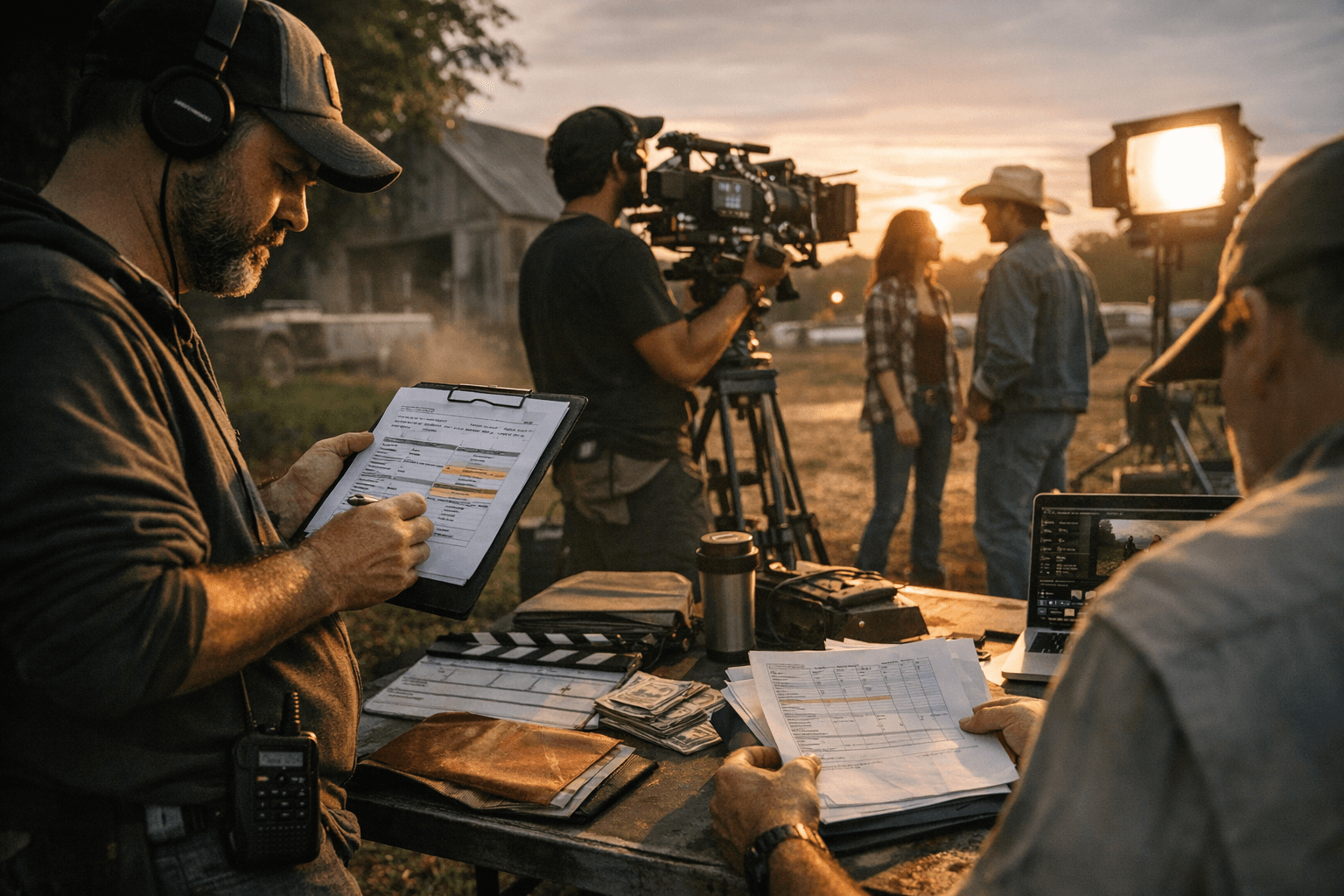
Good community relations reduce friction. Notify neighbors and businesses about shooting times, parking impacts and payment terms; offer promoted screenings or social posts as goodwill. Hiring local caterers and drivers builds relationships that can open repeat location access. Follow current local public health recommendations, keep a first-aid kit on set and assign a safety officer for stunts or effects.
Post-production workflows matter: organize footage, name files consistently, back up to at least two drives and consider cloud backups. Allocate modest funds or trades for a professional sound mix and color grade. Target Sidewalk Film Festival, Selma Cinema Festival and regional festivals that highlight Alabama work, then arrange community screenings with local cinemas, universities, museums and cultural centers. Seek regional arts grants, university partnerships and microgrants; check the Alabama film office and Department of Revenue for current rebate or tax credit programs and verify rules and deadlines before budgeting around incentives.
Practical checklists - call sheets, permits, signed releases, insurance certificates, COVID safety plans, craft services, parking plans and post-wrap tasks like returning rentals and delivering rushes - will keep a low-budget shoot from collapsing. For Alabama filmmakers, careful prep, community goodwill and a focus on sound and story turn limited resources into memorable local cinema; execute those elements and the next step is getting that work in front of audiences at festivals and neighborhood screenings.
Know something we missed? Have a correction or additional information?
Submit a Tip