FIFA blocks bench visits during goalkeeper injuries at 2026 World Cup
FIFA will bar teams from using goalkeeper injury stoppages for bench huddles, closing a loophole that often doubled as a tactical timeout.
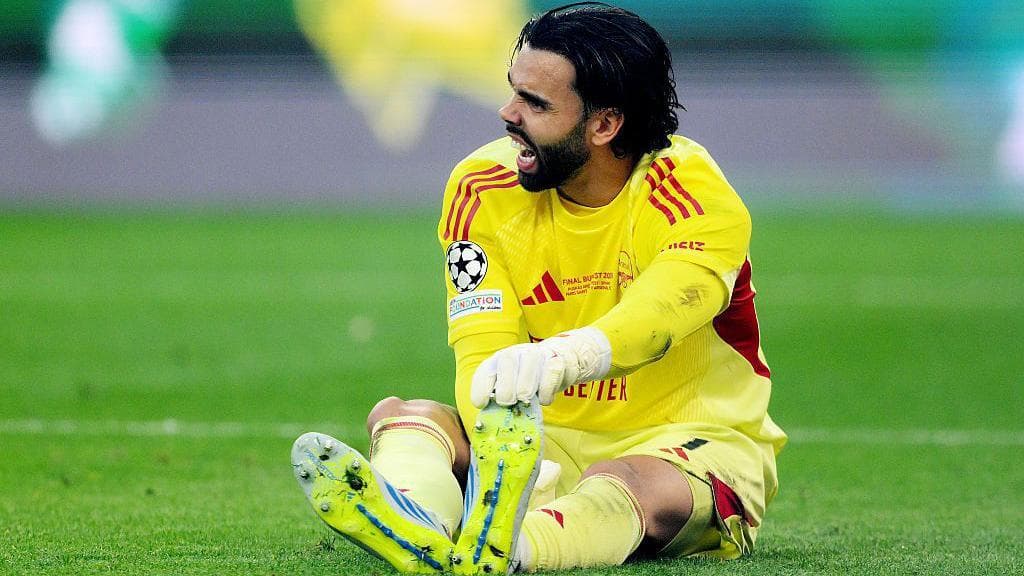
FIFA will block players from heading to the technical area to speak with coaches when a goalkeeper goes down injured at the 2026 World Cup, a move aimed at ending one of football’s most convenient tactical pauses.
Pierluigi Collina, FIFA’s referees’ chief, disclosed the change after a workshop with coaches from all 48 qualified teams. He said referees will be proactive and will not allow both sides to drift toward the benches while a goalkeeper is lying on the ground, turning what looks like medical concern into a de facto timeout.
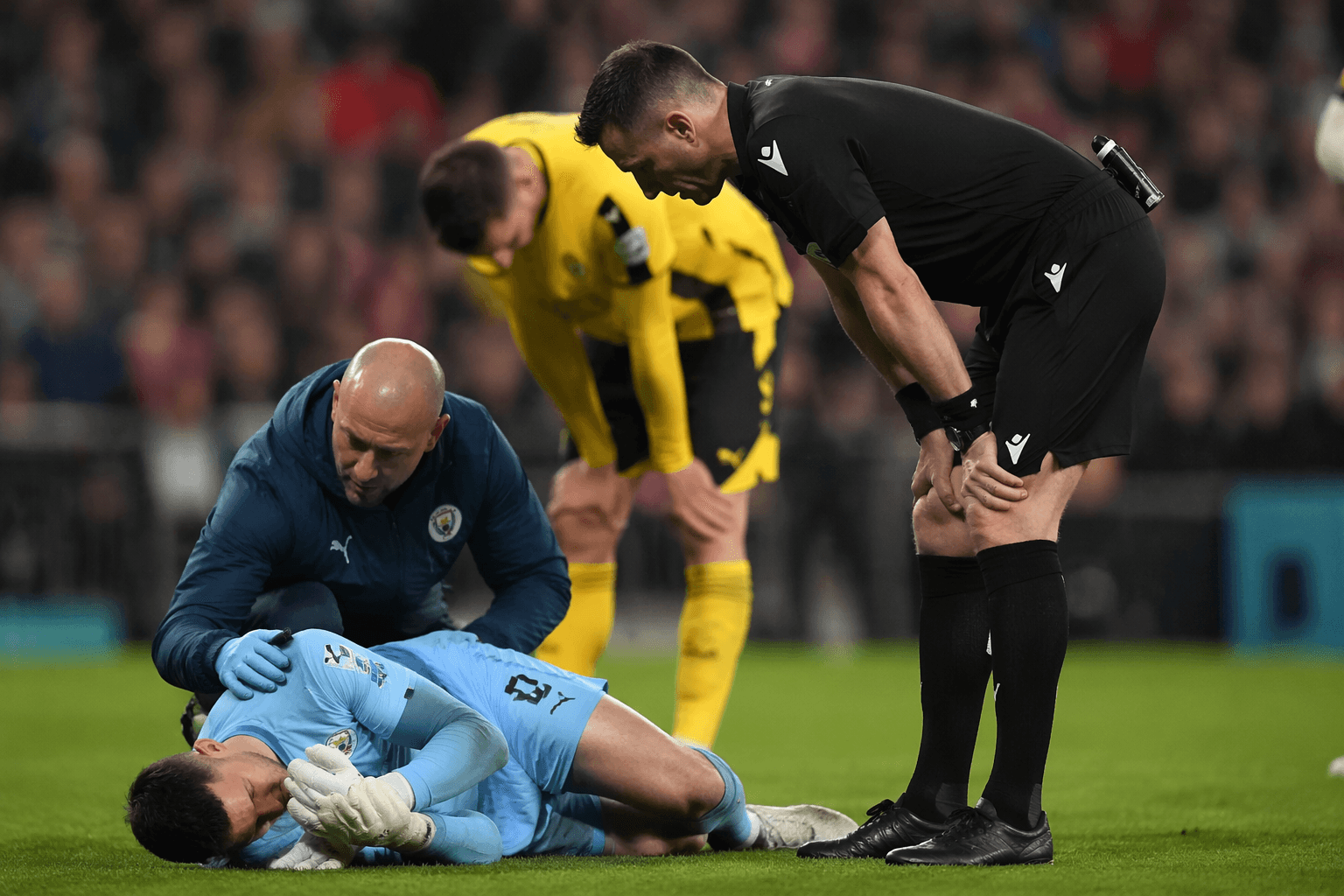
The point is simple: FIFA wants to stop coaches from using a goalkeeper injury to reset the match, drain momentum, or deliver instructions without burning a substitution or stoppage. Collina framed the issue as one of limits, saying the goalkeeper has the right to be injured, but players do not have the right to leave the field of play for a tactical breather with their coaches.
The crackdown fits into a wider push against time-wasting before a World Cup that will pull in a far broader casual audience across the United States, Canada and Mexico. FIFA has also built in three-minute hydration breaks in each half of matches, giving coaches a sanctioned pause instead of the improvised ones that have increasingly irritated officials and fans. At the same time, the sport’s lawmakers have already tightened another common delay: under the 2025/26 Laws of the Game, effective from 1 July 2025, a goalkeeper who holds the ball for more than eight seconds is punished with a corner kick for the opposition, with referees using a visual five-second countdown.
The issue has become more visible in top-level matches. In November, Leeds United manager Daniel Farke accused Manchester City goalkeeper Gianluigi Donnarumma of feigning injury to bend the rules and break up play. FIFA and The International Football Association Board have also invited leagues to trial solutions during the 2026-27 season, suggesting the World Cup change may be only the first step in a broader rewrite of how referees handle stoppages.
One early model already exists in the National Women’s Soccer League. Its 2026 rule requires players to stay where they are, or gather on their own side of the midfield center circle, during a goalkeeper injury stoppage, and clubs or coaches can face discipline if players approach the technical area. The message from FIFA is that injury pauses will still be allowed, but the sideline advantage that often comes with them is being taken away.
This article was produced by Prism’s automated news system from verified source data, official records, and press releases, then run through automated quality and moderation checks before publishing. The system is built and supervised by the people who set the standards it runs under. Read our full AI policy.
Did this article answer your question?
.jpg&w=1920&q=75)