FIFA changes World Cup tiebreaker, head-to-head now comes first
FIFA’s new World Cup tiebreaker puts head-to-head results first, giving late group matches more weight in the 48-team 2026 tournament.

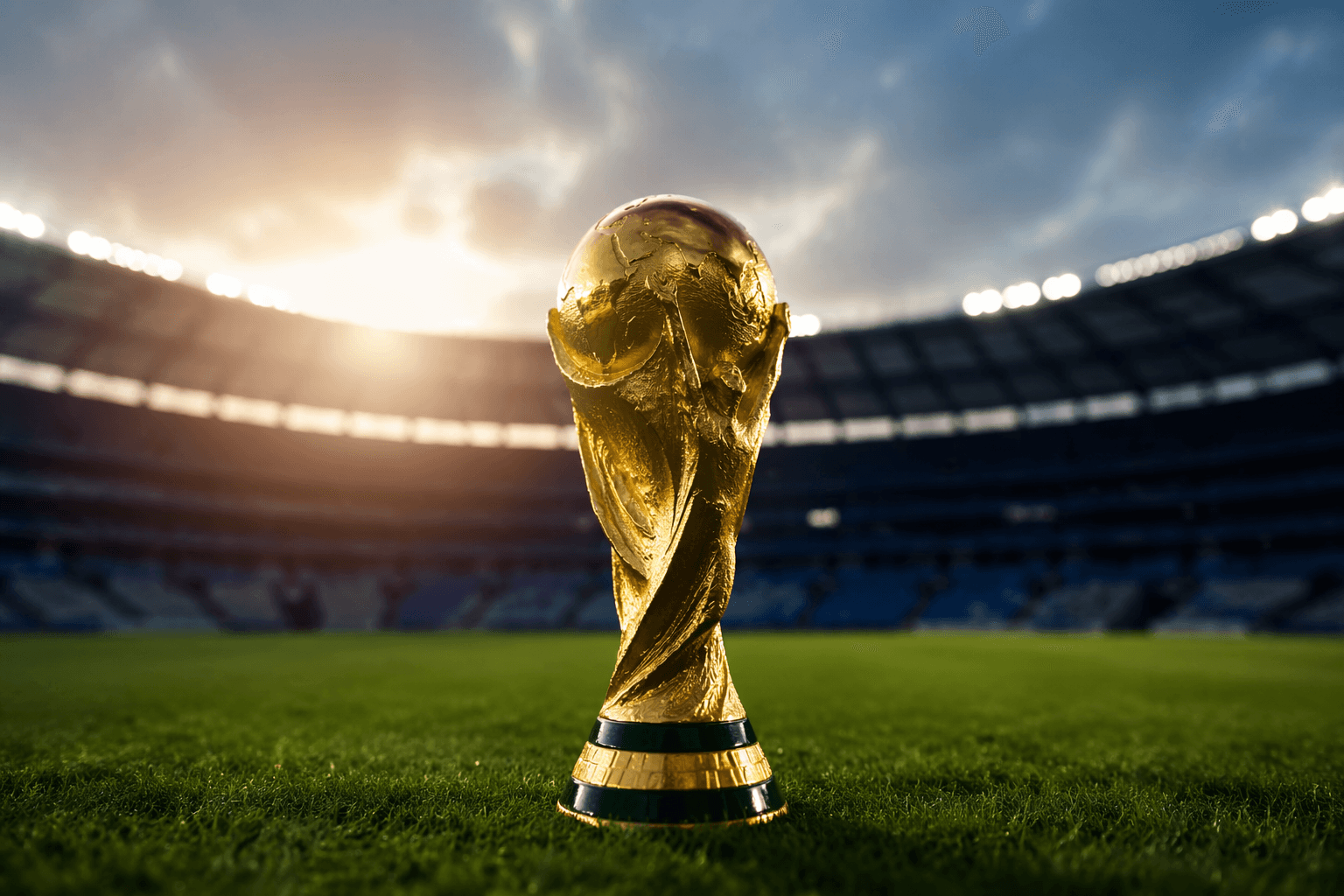
FIFA has redrawn the margins of group-stage survival for the 2026 World Cup. In the first 48-team edition, a team tied on points will no longer be separated first by overall goal difference. Head-to-head results among the tied teams now come first, a change that can turn one direct meeting into the most important 90 minutes of the group.
The regulations, published in March 2026 for the tournament in Canada, Mexico and the United States, set out a 12-group format with four teams in each group. The top two in every group advance, and eight of the 12 third-place teams also move on, creating a new Round of 32 for a field that will play 104 matches from 11 June to 19 July 2026.
Under FIFA’s order of tiebreakers, teams level on points are first split by points earned in head-to-head matches among the tied teams. If that does not separate them, FIFA moves to head-to-head goal difference, then head-to-head goals scored. Only after that does the tournament look at overall group goal difference and overall goals scored, before fair play points and, if needed, a drawing of lots.
The tactical effect is immediate. In past World Cups, a side could chase a large win against a weaker opponent and hope goal difference carried it through. Now a late group match against a direct rival can outweigh a superior score line elsewhere. If two teams finish on four points after drawing with a third side and beating the fourth, the result between those two teams can decide who advances, even if one of them has been more dominant across the group overall.
That shift makes final-matchday management more dangerous and more aggressive. Coaches may attack more boldly in head-to-head meetings, knowing that a 1-0 win against a rival can be worth more than piling up goals in a separate fixture. It also raises the cost of protecting a draw: one lapse against a direct competitor can be fatal if the teams finish level on points.
Mexico already has a recent reminder of how narrow the margins can be. At the 2022 World Cup, Mexico was eliminated in Group C on goal difference. FIFA’s new rule does not remove drama from the group stage. It relocates it, putting more of the pressure on the matches that decide who beats whom when the standings are still level.
This article was produced by Prism’s automated news system from verified source data, official records, and press releases, then run through automated quality and moderation checks before publishing. The system is built and supervised by the people who set the standards it runs under. Read our full AI policy.
Did this article answer your question?