FIFA Clears Cristiano Ronaldo To Play Portugal World Cup Openers
FIFA suspended the remaining two matches of Cristiano Ronaldo’s three match ban on November 26, 2025, placing the sanction under a one year probation and allowing the Portugal captain to play his team’s opening matches at the 2026 World Cup. The decision preserves Portugal’s tactical continuity and preserves commercial and cultural momentum around a player seeking a record sixth World Cup appearance, while raising questions about discipline and precedent in world football.

FIFA’s disciplinary body on November 26 suspended the final two games of a three match ban imposed on Cristiano Ronaldo, placing the remainder of the sanction under a one year probation. That action meant the Portugal captain, who had already served one match after being sent off for violent conduct in a qualifier, would be available for his country’s opening games at the 2026 World Cup. The governing body invoked Article 27 to defer the remaining matches unless Ronaldo commits a similar offense during the probationary period.
The ruling has immediate sporting consequences. Portugal’s coach now retains a selection option that alters both match planning and leadership structure for the tournament’s early rounds. Ronaldo’s presence at the start of the World Cup changes how opposing teams prepare and how Portugal will balance the veteran star with an emerging generation of players around him. For a side that often relies on a blend of experienced leadership and youthful dynamism, availability of a figure of Ronaldo’s stature is a strategic variable that cannot be dismissed.
The decision also carries significant commercial implications. Ronaldo remains one of the most recognizable athletes on the planet and his active participation in the World Cup increases potential broadcast audiences, sponsor exposure, merchandising revenue, and global attention for both Portugal and the competition. For broadcasters and sponsors who invest heavily in World Cup rights, certainty about a marquee player’s availability for the opening matches reduces short term risk and likely enhances the early narrative around the tournament.
Culturally, the suspension of matches under probation underscores the tension between disciplinary integrity and the cultural weight of superstar athletes. Ronaldo’s career has been a global media phenomenon, and the ruling highlights how football’s institutions navigate accountability while weighing the broader ramifications of excluding a generational figure at a major event. The probation approach reflects an effort to temper punishment with a conditional path back into competition, a formula that will be scrutinized by fans, commentators, and other players.
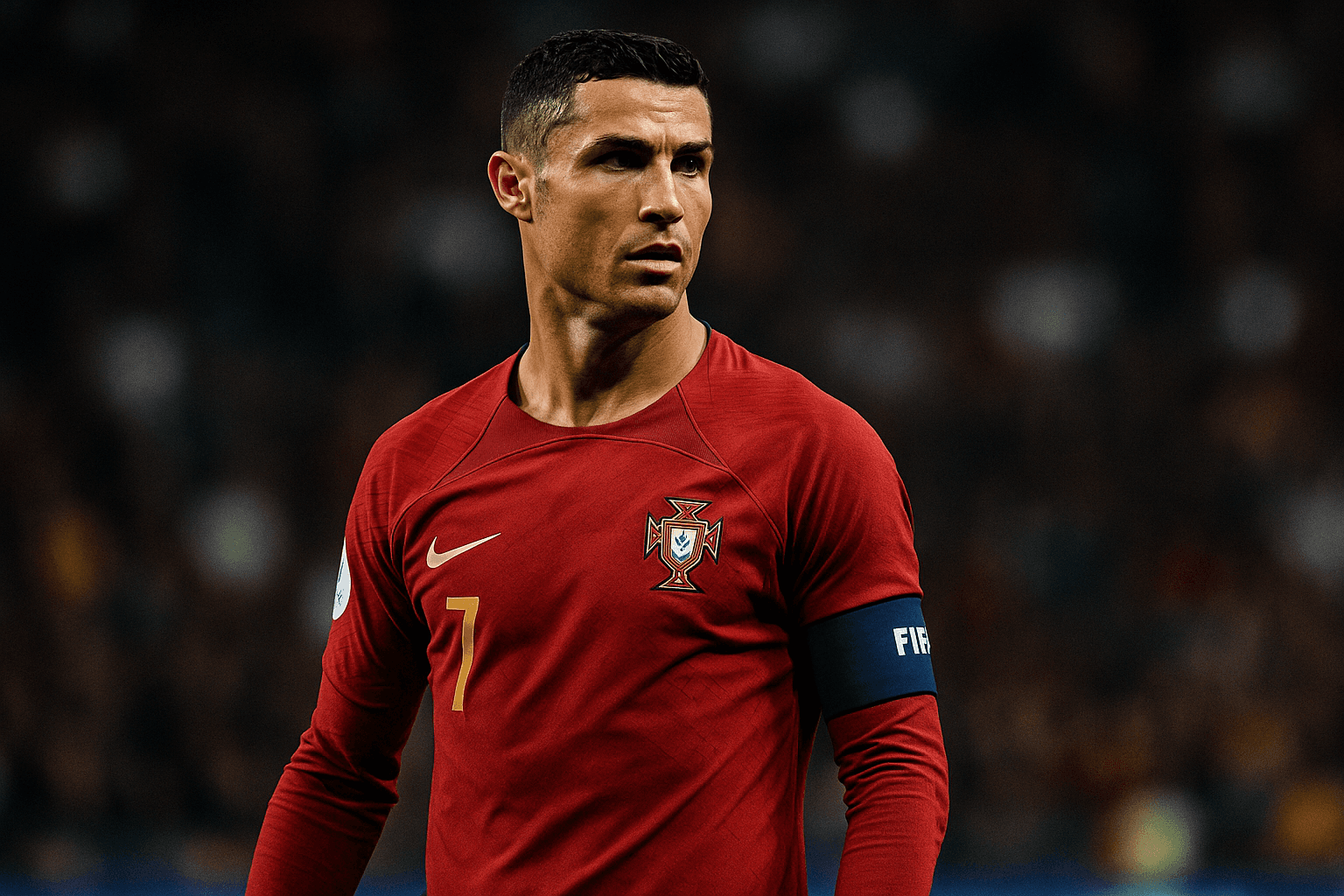
There are broader social implications as well. Supporters will interpret the decision through competing lenses of loyalty and fairness, with some seeing it as a pragmatic step to preserve spectacle and others viewing it as leniency for a high profile figure. The case will likely inform future disciplinary debates about consistency and proportionality, particularly when high profile players face sanctions that intersect with major tournaments.
As the World Cup approaches, the principal issues to watch will be Ronaldo’s conduct during the probation period and how Portugal integrates him into a squad preparing for a global event. The FIFA ruling ensured he will step onto the field for the opening fixtures, but it also placed his continued participation under a conditional spotlight that could shape perceptions of justice and governance in international football.
This article was produced by Prism’s automated news system from verified source data, official records, and press releases, then run through automated quality and moderation checks before publishing. The system is built and supervised by the people who set the standards it runs under. Read our full AI policy.
Did this article answer your question?
.jpg&w=1920&q=75)