FIFA forces Haiti to change World Cup shirts over independence scene
FIFA ordered Haiti to strip a shirt design showing freedom fighters and Vertières, forcing a last-minute rewrite days before the team’s first World Cup since 1974.
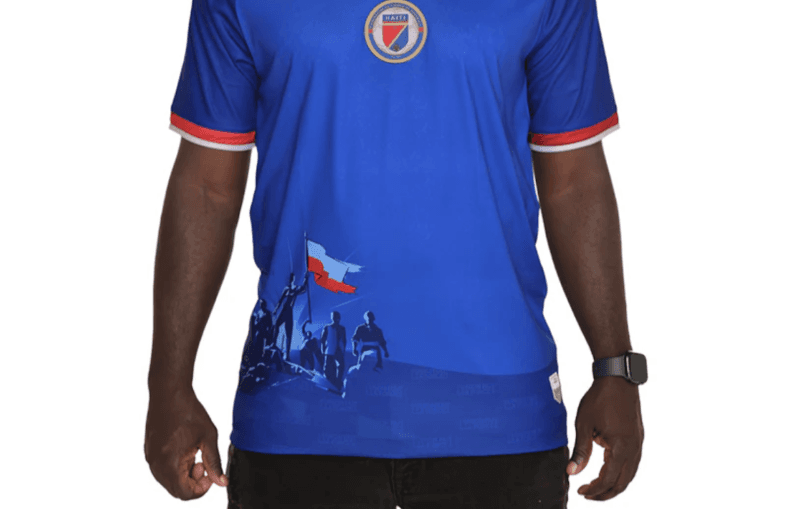
Haiti’s World Cup kit turned into a fight over national memory just days before the tournament, after FIFA objected to a shirt design built around the country’s struggle for independence. The original jerseys, made by Colombia-based Saeta with the Haitian Football Federation, were changed after FIFA said the imagery could be read as political speech under its equipment rules.
The design had been developed over several months and went through FIFA’s standard approval process before the governing body raised concerns. According to the research notes, the shirt featured freedom fighters raising Haiti’s flag and drew from the Battle of Vertières, the last major battle of the Haitian Revolution. That battle was fought on Nov. 18, 1803, and led toward Haiti’s independence on Jan. 1, 1804, a history that has long defined the country’s national identity.
Saeta said the shirt was meant to celebrate Haiti’s pride, resilience and spirit, not to make a political statement. The company said the altered version was already visible in FIFA’s photo session on June 9, 2026, after it accepted the decision and implemented the final changes. Neither FIFA nor the Haitian Football Federation commented immediately on the dispute.
The episode landed at a sensitive moment for Haitian football. Haiti qualified for the 2026 World Cup on Nov. 18, 2025, by beating Nicaragua 2-0 in Curaçao, sealing a place in the country’s second World Cup and its first since 1974. FIFA later highlighted that return as a milestone, but Haiti’s qualifying path was shaped by instability at home, with the team forced to play home matches at neutral sites because of insecurity in Haiti.
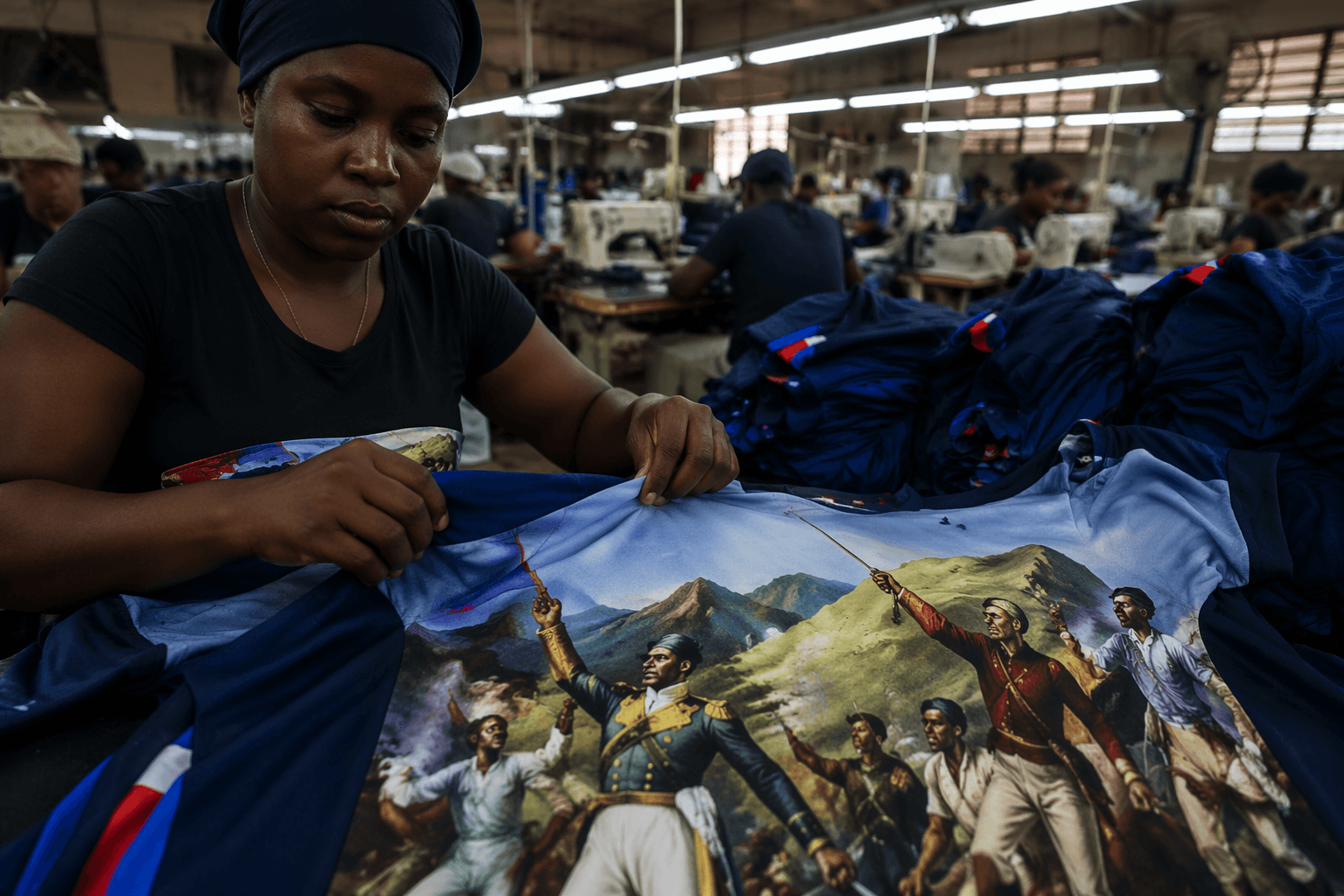
That backdrop helps explain why the shirt carried so much weight. For Haiti, a jersey built around Vertières was not just a marketing choice but a visible claim to history on sport’s biggest stage. FIFA’s objection shows how tightly the governing body polices the boundary between heritage and politics, and how quickly a uniform can become a test of who gets to control a nation’s symbols.
Haiti will open its World Cup campaign against Scotland in Boston on June 13, before facing Brazil later in the group stage and Morocco on June 25. As the team prepares for its first match in more than five decades, the altered shirt has become part of a broader story about representation, sovereignty and the limits placed on smaller federations trying to project identity through kit design.
This article was produced by Prism’s automated news system from verified source data, official records, and press releases, then run through automated quality and moderation checks before publishing. The system is built and supervised by the people who set the standards it runs under. Read our full AI policy.
Did this article answer your question?