FIFA mandates hydration breaks for every 2026 World Cup match
Three-minute hydration breaks will pause every 2026 World Cup match, turning a welfare measure into a tactical reset that is already drawing boos and reshaping the game.
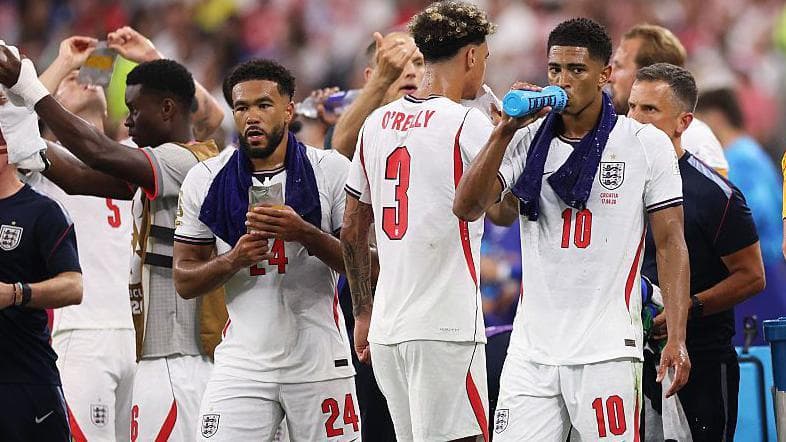
Supporters booed, coaches leaned in, and players reset their breathing as mid-half hydration breaks became more than a weather fix. FIFA has made the three-minute stoppage mandatory for every one of the 2026 World Cup’s 104 matches, a change that will alter tempo, sideline management and the fan experience across Canada, Mexico and the United States.
The breaks are set for the middle of each half, with referees expected to stop play around the 22nd minute and again around the 67th, regardless of temperature or conditions. FIFA said the policy is meant to protect player welfare and create equal conditions across the tournament, which will be the first men’s World Cup to feature 48 teams, 104 games and three host countries. A record 1,248 players representing 48 nations were confirmed on June 2 after final squad lists were submitted.

What had once been a selective tool in hotter venues or at a referee’s discretion will now be standardized. FIFA used cooling and hydration pauses in earlier World Cups and at the Club World Cup in 2025, but this is the first time every match in the tournament has been ordered to stop for water. FIFA said it consulted coaches and broadcasters before expanding the breaks, underscoring that the pause is now part of the event’s operating model, not an occasional interruption.
The change also reflects the tournament’s return to the traditional June-July window. The opening match is scheduled for Thursday, June 11, 2026, in Mexico City, and the final will be played on Sunday, July 19, 2026, in New York New Jersey. That calendar places the World Cup back in the period long associated with the sport’s biggest stages, even as climate pressures make the old rhythm harder to preserve.
On the field, the effect is immediate. Coaches now have a built-in chance to deliver instructions, adjust pressing triggers and manage substitutions without waiting for halftime. Players gain a short recovery window, but the stoppages also interrupt momentum and invite criticism that the pauses could become commercial inventory for broadcasters. For fans, especially those who have already reacted with boos in some venues, the breaks are changing not just how the game is played, but how it feels.
This article was produced by Prism’s automated news system from verified source data, official records, and press releases, then run through automated quality and moderation checks before publishing. The system is built and supervised by the people who set the standards it runs under. Read our full AI policy.
Did this article answer your question?

.jpg&w=1920&q=75)
