FIFA races to seal India World Cup TV rights deal before kickoff
FIFA’s India rights talks are stuck over a huge price gap, risking a blackout for millions of fans before the June 11 kickoff.
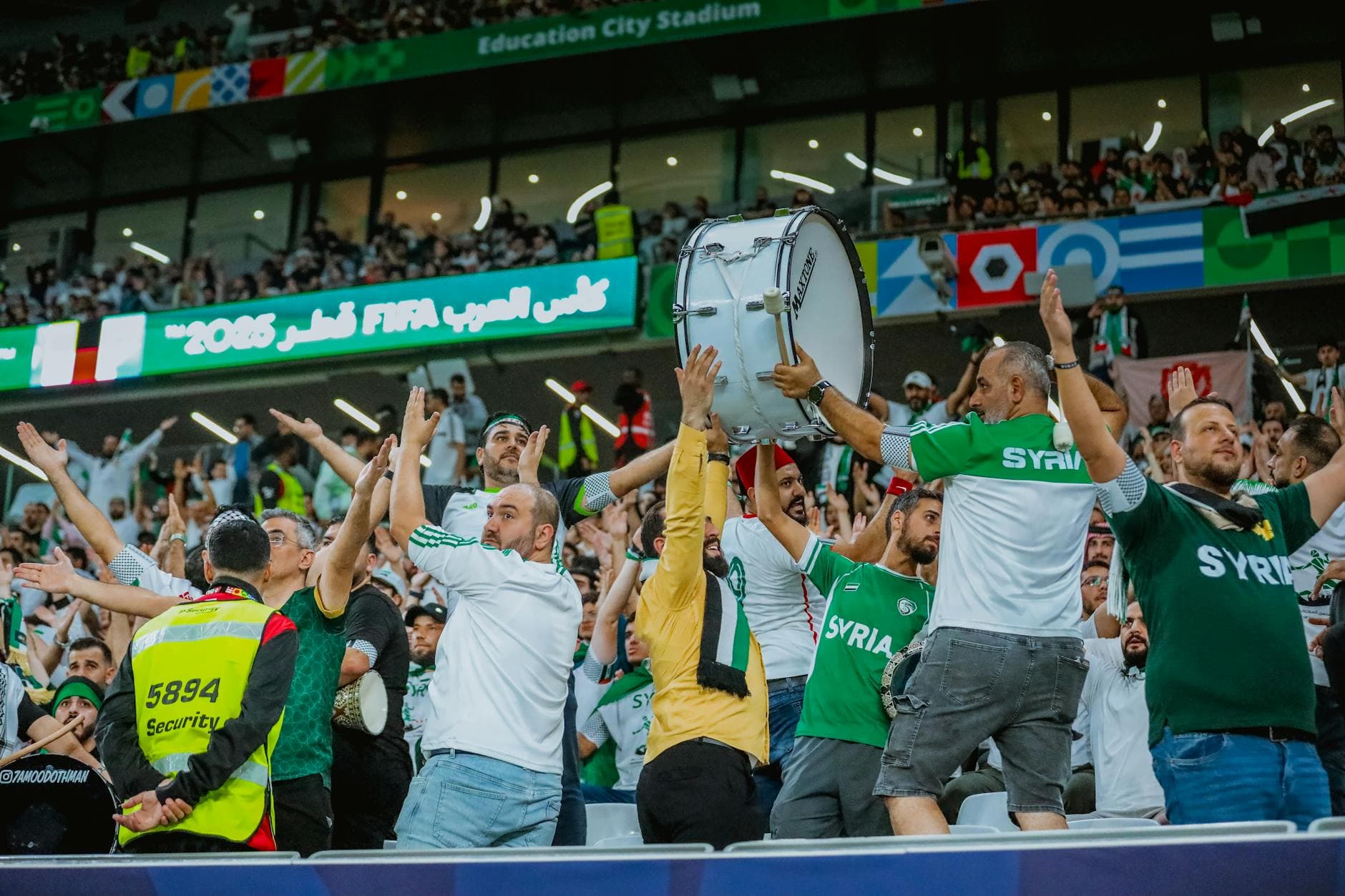
FIFA’s push to secure World Cup broadcast rights in India has become a race against the calendar, with media-rights officials in the country this week and no deal yet in place for one of the sport’s largest untapped markets. The dispute centers on price, and the gap between what FIFA wants and what Indian broadcasters are willing to pay remains wide enough to threaten availability for millions of fans.
FIFA has said discussions in India are still ongoing and must remain confidential for now. But the commercial terms already point to the problem. The Reliance-Disney joint venture, now operating as JioStar, reportedly put forward a $20 million offer for the rights. FIFA had initially sought $100 million and was later looking for around $60 million. Sony has held talks but did not submit an offer, leaving the market without a clear bidder willing to meet FIFA’s expectations.
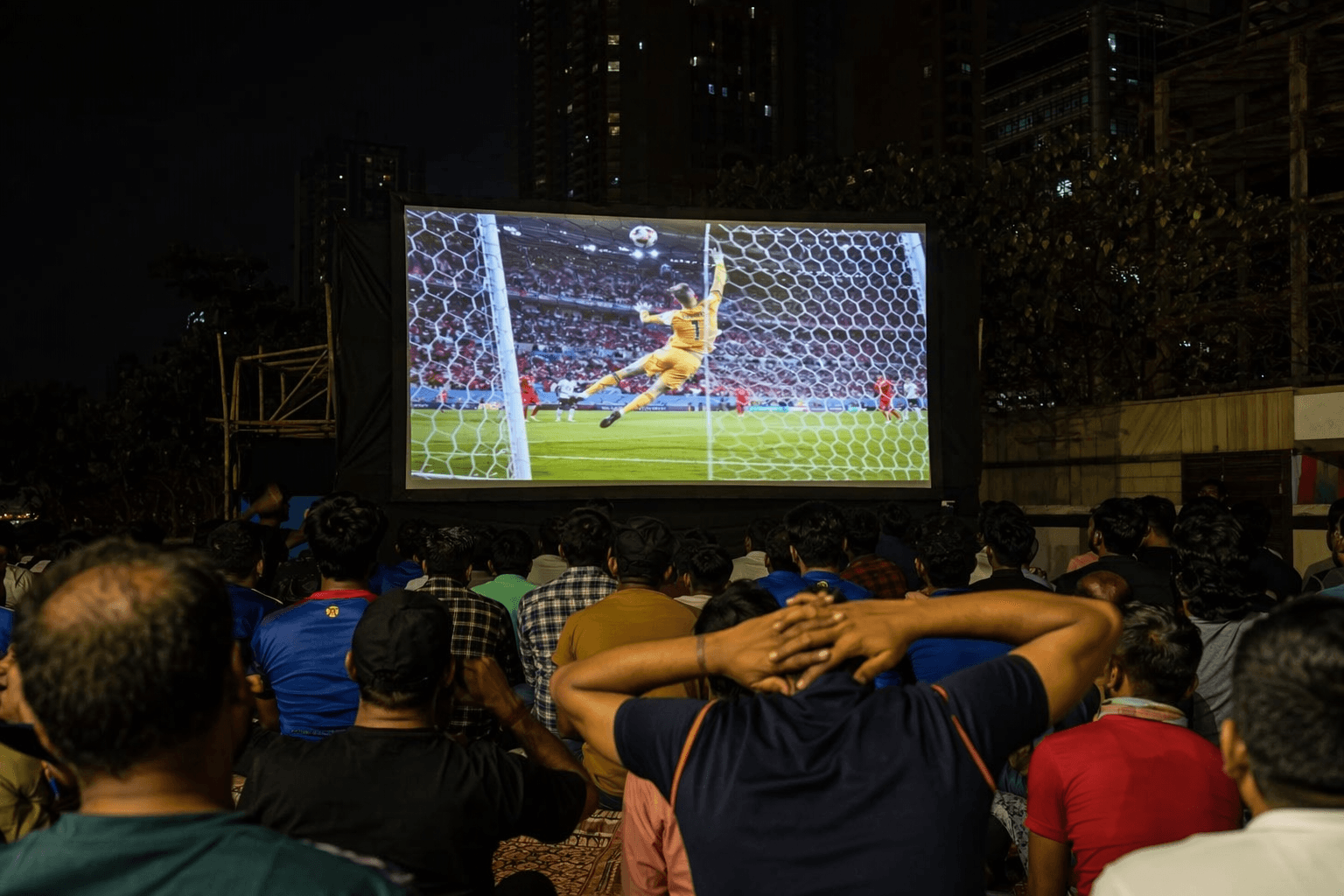
That stalemate carries outsized consequences in India, where football has a real audience even if it still trails cricket by a wide margin. A 2024 Deloitte-Google report put India’s football fan base at 85 million, compared with 492 million cricket fans, underscoring both the sport’s reach and its distance from the country’s dominant pastime. The same report said India’s sports industry could grow to $130 billion by 2030, a reminder of why FIFA is trying to extract premium value from the market now.
The timing is especially tight. The 2026 World Cup kicks off on June 11, leaving only a few weeks to close a rights deal, line up broadcast infrastructure and sell advertising inventory. FIFA has already reached agreements with broadcasters in more than 180 territories, and it later confirmed a China Media Group deal for China, making India stand out as one of the major unresolved markets rather than part of a broader global breakdown.
The stakes go beyond television access. If India remains without a rights deal, the missed audience would hit advertisers, sponsors and FIFA’s longer-term effort to deepen soccer’s commercial base in a country that accounted for 2.9% of global linear TV reach at the 2022 World Cup. China’s share was 17.7%, showing why Asia still matters to FIFA’s business even when local valuations lag behind global ambitions. For FIFA, the India talks are now a test of whether its pricing power can survive a media market that is changing fast and becoming far more selective about what marquee sports rights are actually worth.
Know something we missed? Have a correction or additional information?
Submit a Tip