FIFA raises 2026 World Cup payouts to nearly $900 million
FIFA lifted 2026 World Cup team payouts to $871 million after members warned travel, taxes and logistics could erase the value of qualifying.
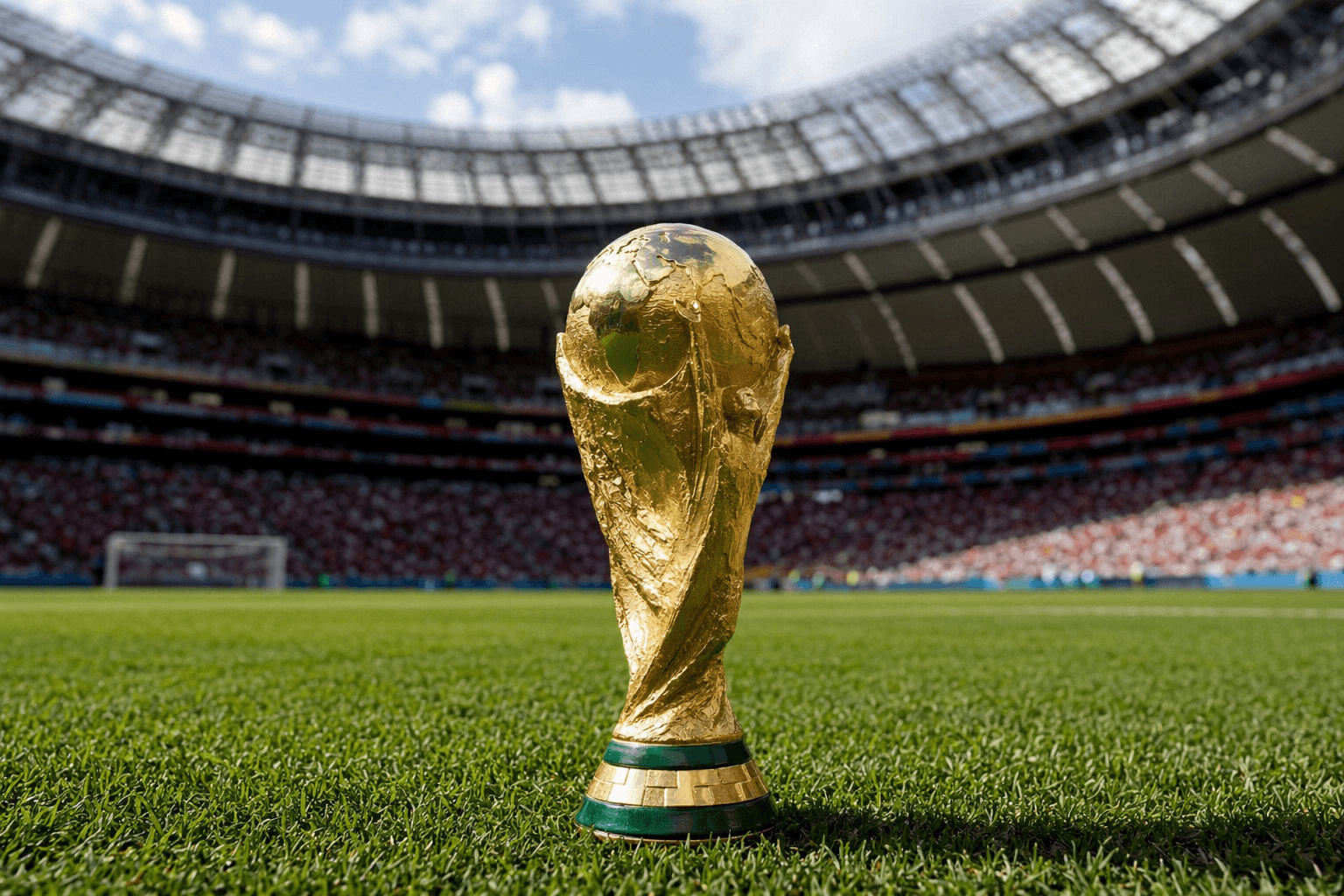
FIFA increased the money it will distribute to teams at the 2026 World Cup to $871 million, a sharp jump from the $727 million figure approved in December, after member associations warned that the expanded tournament could leave some countries out of pocket just for taking part.
The revised package, approved by FIFA’s council on April 28, gives all 48 participating member associations at least $10.5 million each. It also raises preparation money from $1.5 million to $2.5 million per qualified team and lifts qualifying payments from $9 million to $10 million, with additional support for delegation expenses and ticket allocations. The message from members was blunt: travel, taxes and operating costs could be punishing enough that qualifying for the first 48-team men’s World Cup would not automatically translate into a financial gain.
That is why the payout increase matters as much as the spectacle itself. The 2026 tournament, staged across Mexico, Canada and the United States, will be the largest in World Cup history, with 104 matches beginning June 11 in Mexico City and ending July 19 in New York/New Jersey. FIFA has already built its 2023-2026 business plan around $11 billion in revenue, and later materials suggested the cycle could end at $13 billion, underscoring how central the event is to the governing body’s balance sheet.
Gianni Infantino framed the decision as proof of FIFA’s strength. He said the organization was in its “most solid financial position ever” and described the higher payout as another example of how its resources are “reinvested back into the game.” For federations, the practical question is simpler: whether the added money will be enough to offset the cost of sending larger delegations through a wider and more expensive tournament.
The financial redesign landed alongside a separate disciplinary change aimed at players’ conduct. The IFAB unanimously approved a law amendment allowing referees to issue a red card to a player who covers their mouth in a confrontational situation with an opponent, a response to concerns over discriminatory abuse and on-field flashpoints. The same special meeting also approved a red-card measure for players leaving the pitch, or officials inciting them to do so, in protest at a referee’s decision.
FIFA said the new measures followed consultations with key stakeholders and were intended for the World Cup in 2026. Together, the payout boost and the tougher disciplinary rules show how FIFA is trying to manage the two pressure points of its biggest tournament yet: the economics of participation and the behavior that will be judged under the brightest spotlight in global football.
This article was produced by Prism’s automated news system from verified source data, official records, and press releases, then run through automated quality and moderation checks before publishing. The system is built and supervised by the people who set the standards it runs under. Read our full AI policy.
Did this article answer your question?