FIFA says Iran will play in World Cup despite war tensions
FIFA said Iran will play in the World Cup “for sure,” even as a cease-fire nears expiration and U.S.-Iran talks remain frozen.
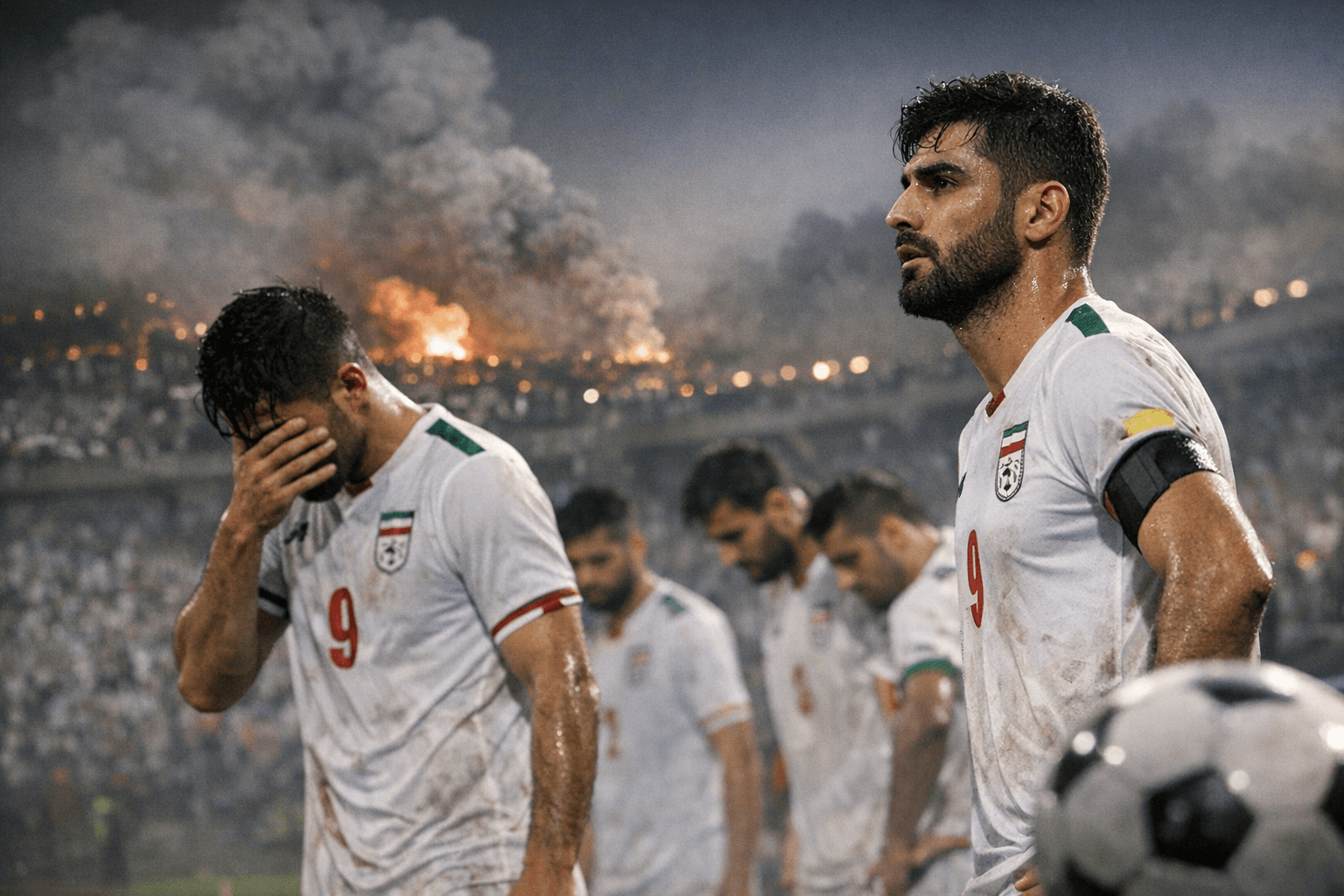
FIFA is pressing ahead with Iran’s place in the 2026 World Cup, even as the war with the United States, stalled peace talks and a cease-fire set to expire next week keep the tournament in a volatile political frame. Gianni Infantino said Wednesday that Iran would participate “for sure,” and added that the country “has to come,” a blunt signal that FIFA intends to keep its marquee event separate from the conflict.
That stance leaves FIFA on the hook for a difficult practical problem: Iran is scheduled to play all three of its group-stage matches on U.S. soil, with two games in Los Angeles and one in Seattle. Iran is in Group G, and FIFA has already rejected a request from Iran’s football federation to move those matches to Mexico. If tensions worsen, the organization would have to manage visas, security planning, team travel and fan access while insisting the tournament stays on its current map.
The dispute has been building for weeks. Iran’s sports minister, Ahmad Donyamali, said in March that it was not possible for the country to take part because of the conflict. Iran’s federation then asked FIFA to shift its games out of the United States. Infantino instead reaffirmed the schedule and said he hoped the situation would be peaceful by the time the tournament begins.
For FIFA, the stakes extend beyond one team. The 2026 World Cup runs from June 11 to July 19 across the United States, Mexico and Canada, with 48 teams and 104 matches, and the final is set for New York/New Jersey. Iran was the first team to qualify through Asian qualifying, which makes its participation a matter of both sporting merit and diplomatic friction.
President Donald Trump has also weighed in, saying Iranian players would be welcome and treated as stars, while at the same time voicing safety concerns for the team. That mix of reassurance and alarm captures the challenge ahead: a global sports body trying to preserve competitive order while a host country faces active conflict with one of the tournament’s participants. For now, FIFA is signaling that the matchups will stand, and that the burden of keeping them safe will fall on the machinery of the tournament itself.
This article was produced by Prism’s automated news system from verified source data, official records, and press releases, then run through automated quality and moderation checks before publishing. The system is built and supervised by the people who set the standards it runs under. Read our full AI policy.
Did this article answer your question?
.jpg&w=1920&q=75)