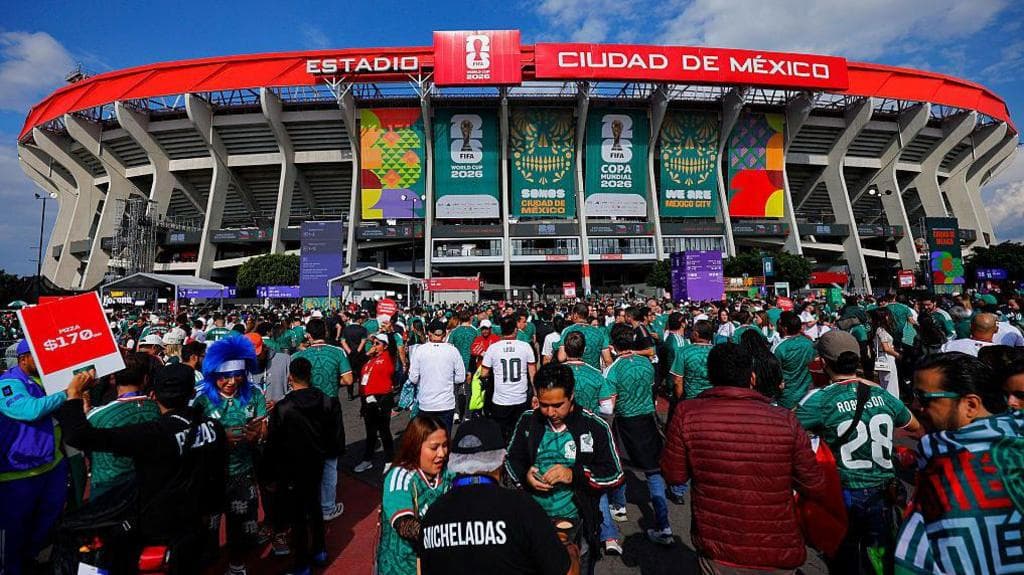
FIFA tests World Cup 2026 grass pitches across North America
FIFA spent five years testing 16 stadium pitches, with the final World Cup 2026 surface installed at New York New Jersey Stadium on May 8.

The final World Cup 2026 pitch went into place in Houston on June 4, closing a five-year push to make 16 stadiums, 84 training sites and 178 practice fields across North America play as close to the same as possible. For FIFA, the grass is not a backdrop to the tournament. It is part of the event’s core safety and fairness infrastructure.
That effort has depended on a research partnership with the University of Tennessee in Knoxville and Michigan State University. FIFA’s Pitch Management team has used the project to study how natural grass behaves under different climates, schedules and stadium conditions, with the goal of delivering fields that feel consistent even when the weather, altitude and venue designs are not. FIFA says success means every surface plays the same while player safety remains paramount, and that the tournament must also look right on the world stage.
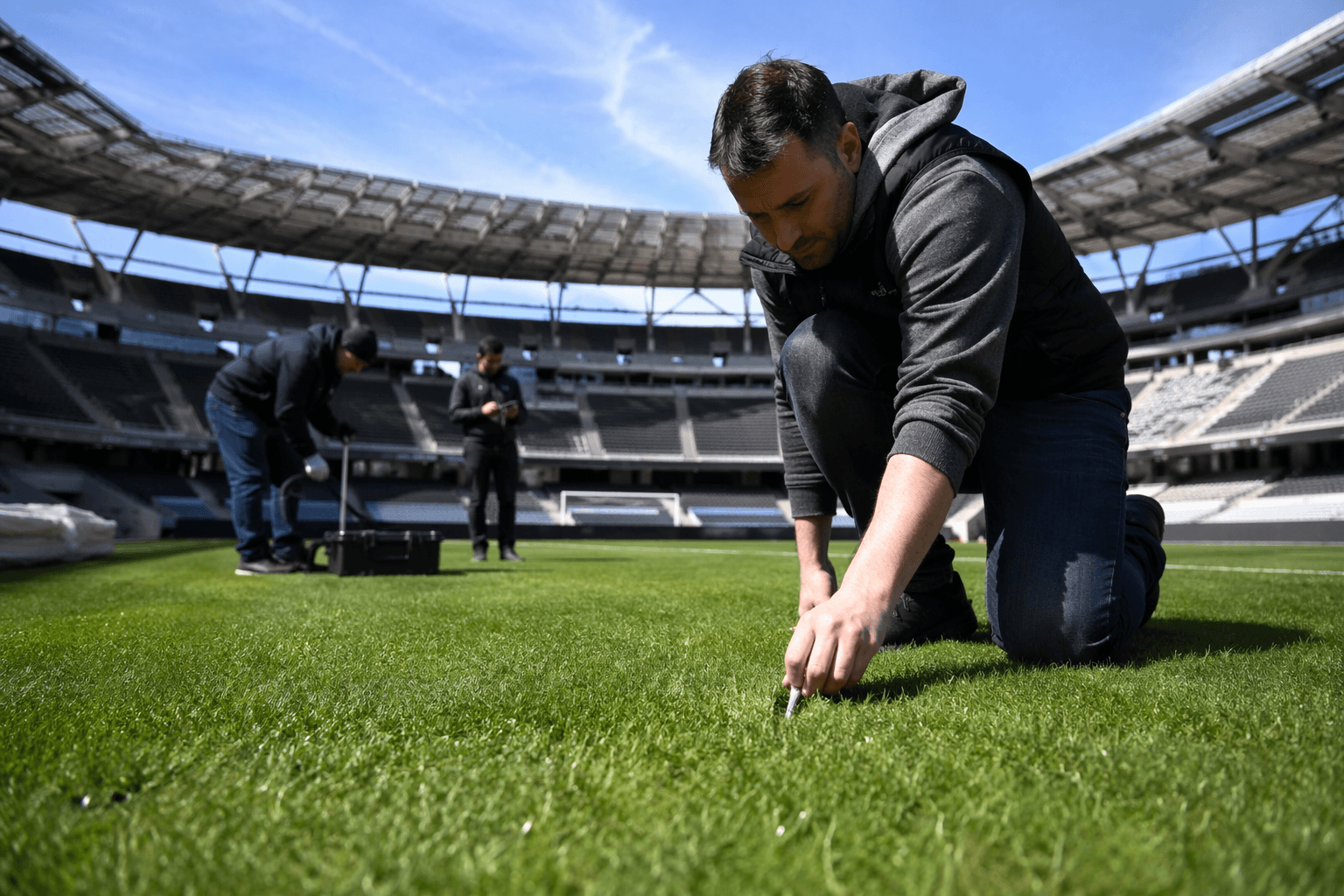
The organization’s stadium guidance lays out three main turf types, 100 percent natural grass, hybrid pitches with synthetic reinforcement and 100 percent synthetic grass. But for World Cup 2026, natural grass is the standard, and FIFA’s Natural Turf Guidelines say the most suitable grass species should be chosen according to climate. Because natural surfaces are so dependent on weather, FIFA says they cannot be certified in the same way as artificial turf and instead are continuously validated against test protocols. That distinction matters in a tournament spread across the United States, Canada and Mexico, where one venue may face heat, another humidity and another a very different recovery cycle between matches.
FIFA has already used live events to test the approach. During the 2024 Copa America in the United States, the organization observed pitch installations and said the natural grass surface in Dallas was maintained close to full FIFA World Cup specifications across three matches. The lesson was not just how to build the field, but how to keep it alive once it is installed, especially in stadiums with heavy schedules and limited access.
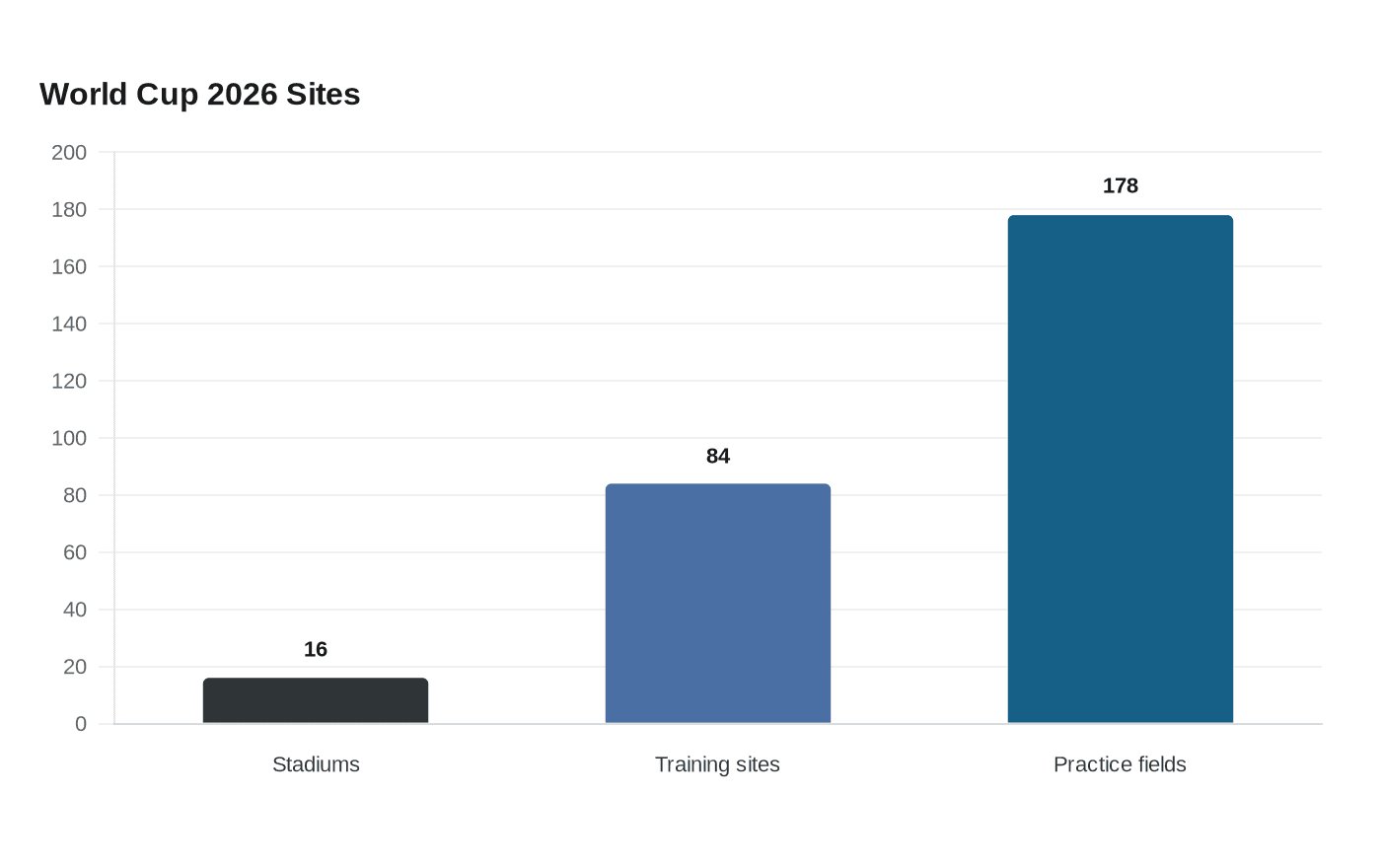
The final pitch at New York New Jersey Stadium was installed on May 8, 2026, and the venue will host eight World Cup matches, including the final. Houston’s Stadium will host seven matches. Together, those milestones show the scale of the hidden work behind the spectacle: before the first whistle, the tournament already depends on agronomy, logistics and surface standardization to protect players and keep the competition credible.
This article was produced by Prism’s automated news system from verified source data, official records, and press releases, then run through automated quality and moderation checks before publishing. The system is built and supervised by the people who set the standards it runs under. Read our full AI policy.
Did this article answer your question?