First Hampden Park gains monument status in football history recognition
Scotland has protected the buried pavilion remains of First Hampden, the ground where modern football’s stadium culture began.
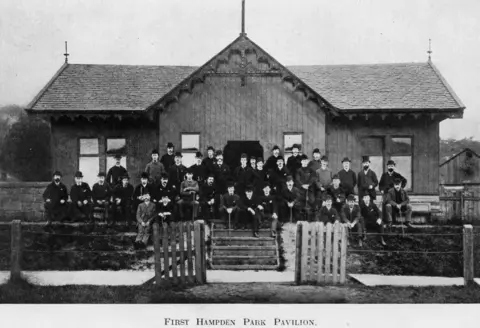
The buried foundations of the first Hampden Park will now be protected as a scheduled monument, a formal recognition that a patch of ground in Glasgow’s southside helped shape the way football is played, watched and remembered.
Historic Environment Scotland said the designation covers the remains of the pavilion at First Hampden, on Kingsley Avenue and Kingsley Gardens in Mount Florida. The protected material includes foundations, demolition debris and other archaeological finds from the pavilion built in 1878 for a ground that opened on 25 October 1873. The first Hampden was used by Queen’s Park FC from 1873 to 1883 and is described as the world’s first purpose-built international football ground.
The site’s importance reaches far beyond one club. It hosted the first Scottish Cup final in 1874, became the home of the Scotland national team in 1878 and staged international matches that helped define football as a mass spectator sport. One of its most celebrated fixtures was Scotland’s 5-1 win over England in 1882, a result still woven into the story of the national game.
Archaeologists confirmed the pavilion’s location with ground-penetrating radar in 2021 and later uncovered physical remains in an excavation that year. That evidence strengthened the case for preservation at a time when campaigners feared the site could be lost to redevelopment, including conversion into flats or a car park, after Hampden Bowling Club closed on land it had occupied for about 120 years.
Historic Environment Scotland launched a public consultation earlier in 2026 on the proposal to designate the pavilion remains, following an external request. The move drew backing from the National Trust for Scotland, Archaeology Scotland, First Hampden Community Interest Company and Queen’s Park FC, all of which argued that the site belongs not only to Glasgow but to the country’s sporting memory.
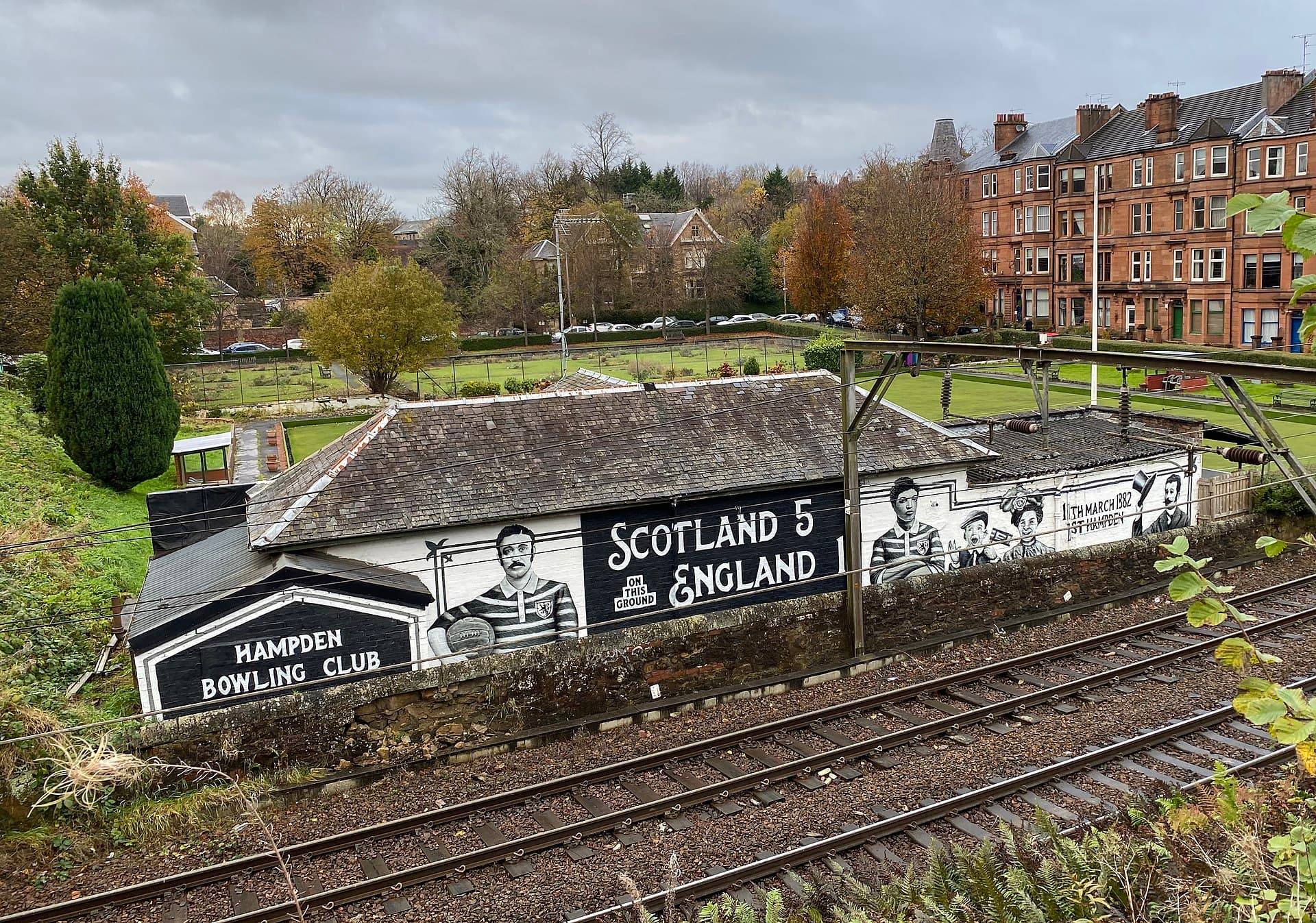
Its protection carries a wider meaning for Scotland. First Hampden was enclosed with fencing and pay gates, and it introduced features that later became standard in stadium design, including crowd control and separation between spectators and the pitch. In preserving a buried pavilion, Scotland has chosen to mark the place where football moved from open ground to organised spectacle, and where a local field became part of national heritage.
This article was produced by Prism’s automated news system from verified source data, official records, and press releases, then run through automated quality and moderation checks before publishing. The system is built and supervised by the people who set the standards it runs under. Read our full AI policy.
Did this article answer your question?
.jpg&w=1920&q=75)