Five cousins on Mexico’s Pacific coast play barefoot on a dirt field
Five cousins kicked off their shoes for ulama, a 3,400-year-old game kept alive by a widow, a grandfather’s legacy and a 7-pound rubber ball.
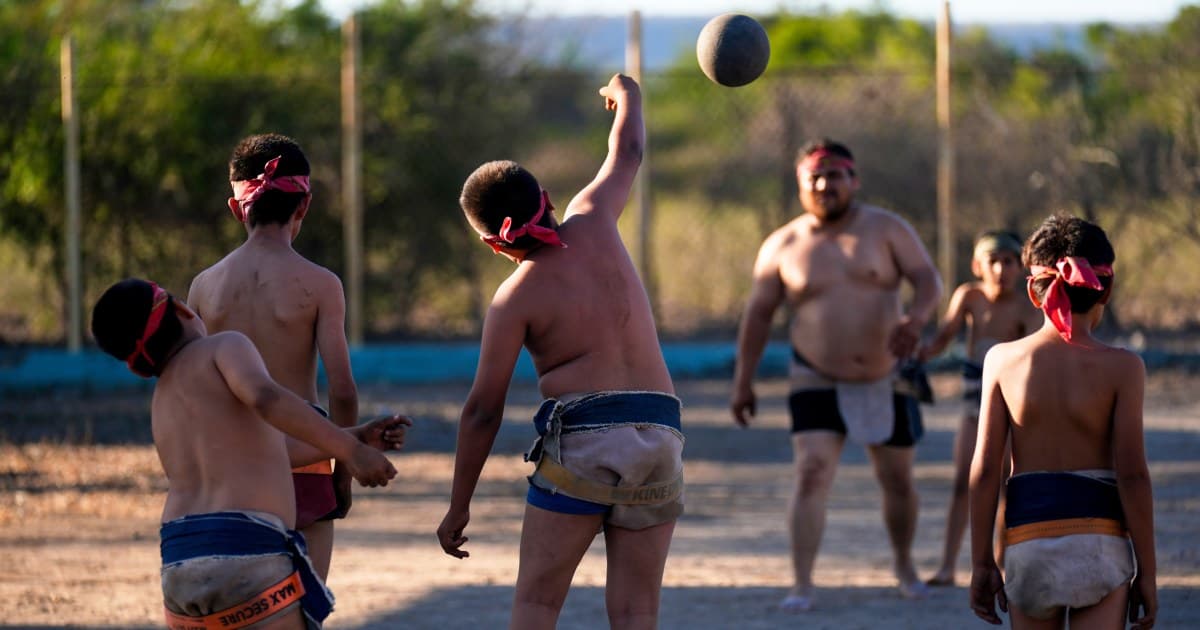
On a dirt field on Mexico’s Pacific coast, five cousins between the ages of 8 and 13 stripped down and kicked off their shoes. Adults tightened the pre-Hispanic-style fajado around their hips, and the Osuna children took up a rubber ball that weighed 3.2 kilograms, about 7 pounds, before beginning a game in which only the hips could make contact.
The scene carried a burden older than the country around it. Ulama dates back about 3,400 years, survived the Spanish conquest only in remote pockets of northwestern Mexico, and later re-emerged in the late 20th century. As Mexico prepared to co-host the 2026 FIFA World Cup, authorities and private interests were staging exhibitions in Mexico City and Guadalajara, and players were being folded into ad campaigns that highlighted heritage even as many worried about being packaged as an exotic curiosity. Emilie Carreón, a researcher at the National Autonomous University of Mexico and director of a project focused on the sport, put that concern plainly: “We must rid the game of the notion that it is a living fossil.”
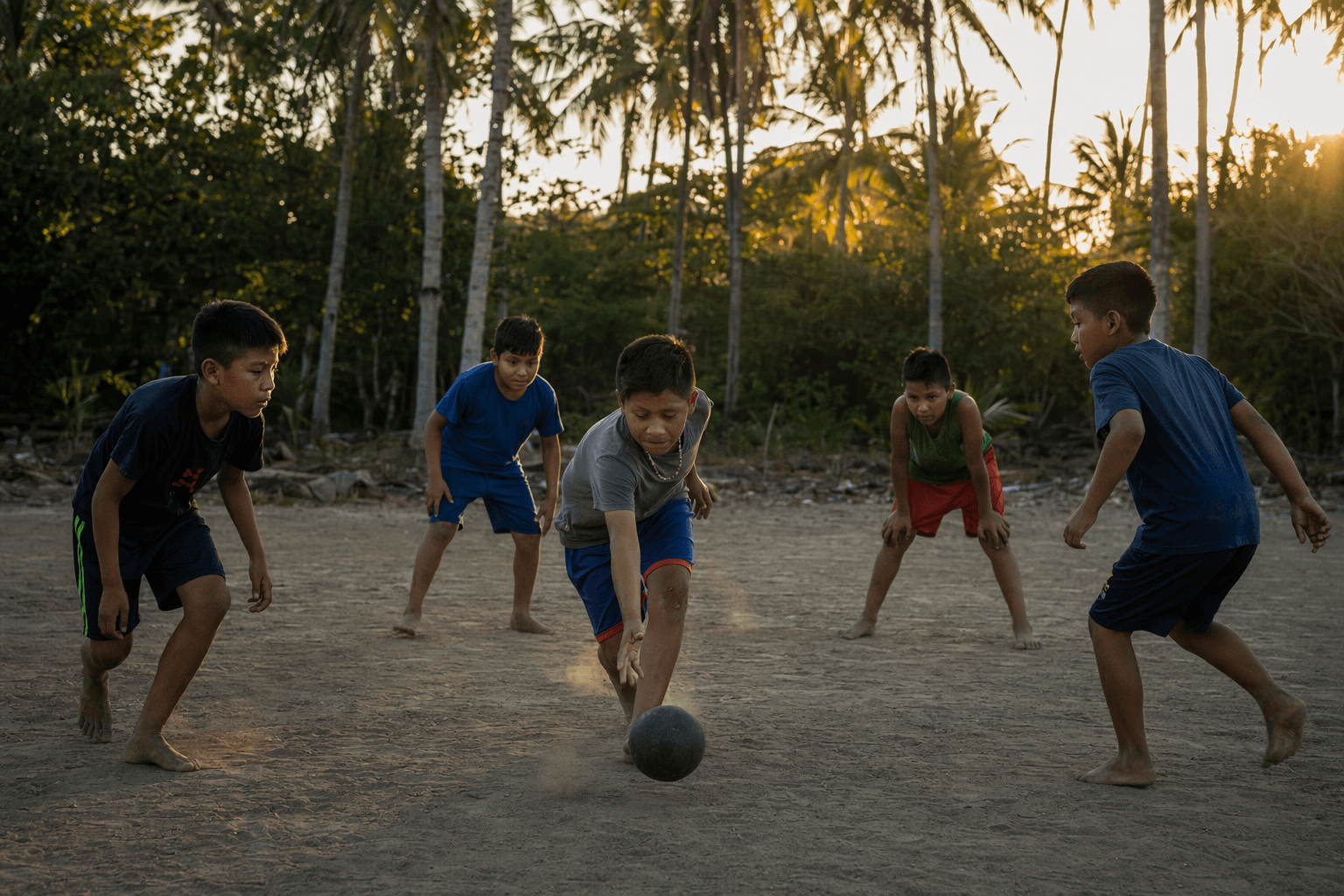
For the Osunas, survival was a family obligation, not an abstraction. After ulama player Aurelio Osuna died, his widow, María Herrera, 53, kept the line going by teaching the game to their grandchildren in Los Llanitos, a small village in Sinaloa about 1,000 kilometers, or 620 miles, northwest of Mexico City. Her eldest son, Luis Aurelio Osuna, 30, had started playing hip ulama after school the same way his father once had, and now his three children played too. Herrera described that inheritance with a line that sounded less like nostalgia than strategy: “This seed will bear fruit someday.”
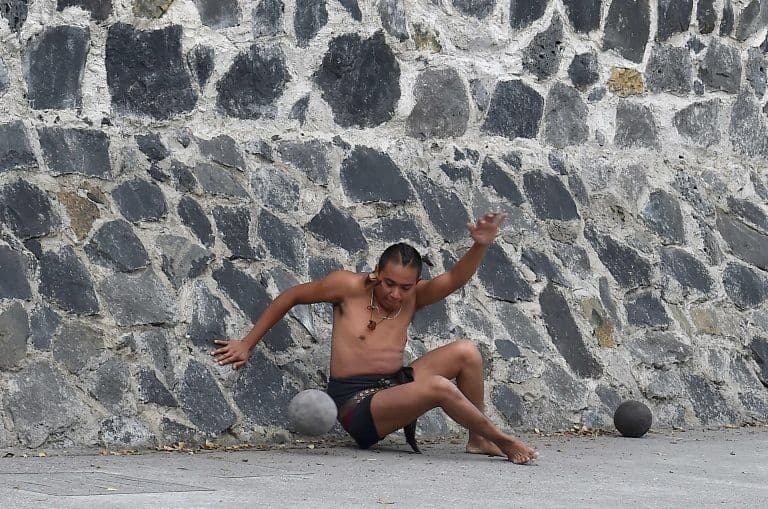
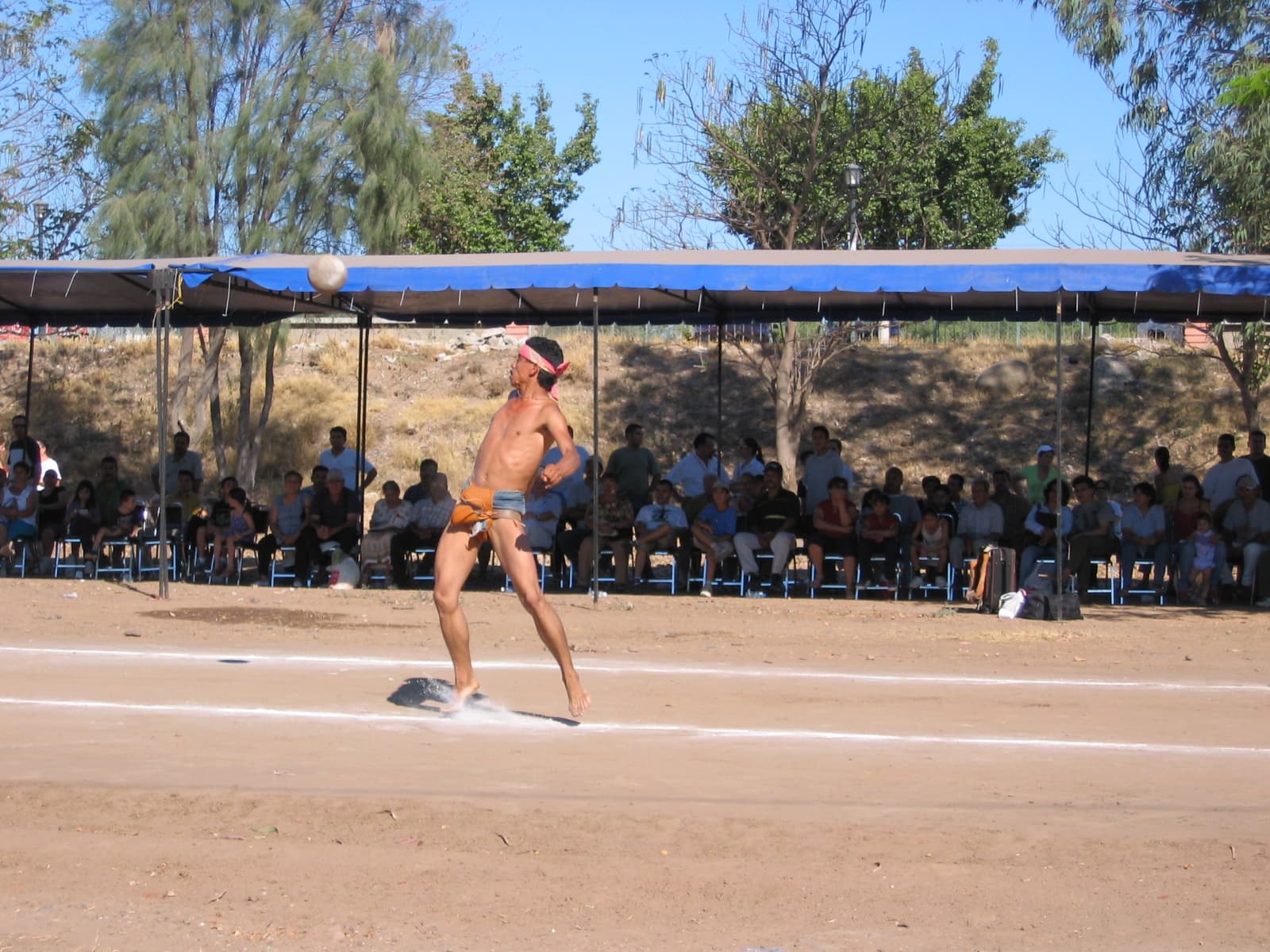
That persistence mattered because the game has never depended on formal preservation alone. Hip ulama teams can have up to six players, matches once tied to religious feasts could last a week, and the sport faded when interest waned and rubber balls became hard to find. Yet the rules, the gear and the pride still move through households, exhibitions and tournaments in places like Los Llanitos, where the next generation learns by watching cousins, parents and grandparents keep a hard, ancient game alive with bare feet, bruised hips and stubborn local memory.
This article was produced by Prism’s automated news system from verified source data, official records, and press releases, then run through automated quality and moderation checks before publishing. The system is built and supervised by the people who set the standards it runs under. Read our full AI policy.
Did this article answer your question?