Five Evaluation Factors That Boost FCS Players' NFL and Pro Chances
FCS players boost NFL and pro odds by pairing big on-field production with pro-day measurables, clean tape, medical and character checks, and targeted exposure.
For FCS prospects, NFL doors open more on demonstrated traits than school name. Scouts and agents narrow focus to five evaluation factors that reliably elevate small-school players into Group-of-Five, Power-Five, or pro-roster conversations: production versus competition, measurables and testing, tape and positional fit, medical and character profile, and exposure and timing.
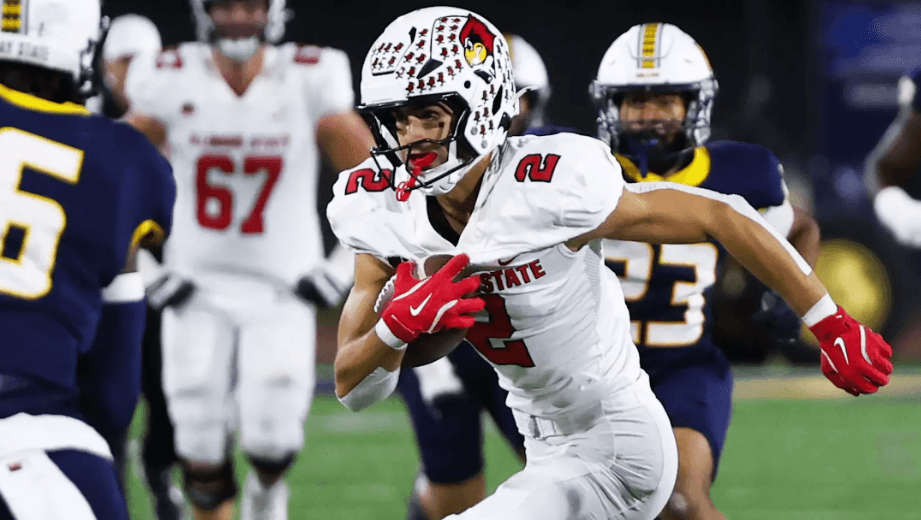
Production trumps raw reputation when it is context-rich. Per-game statistics and efficiency matter most when adjusted for opponent quality. A running back or quarterback who piles up numbers against ranked FCS opponents or flashes in FBS matchups creates comparative tape that scouts can benchmark. That performance context often determines whether a prospect is invited to multi-team showcases or considered for a positional meeting at a pro day.
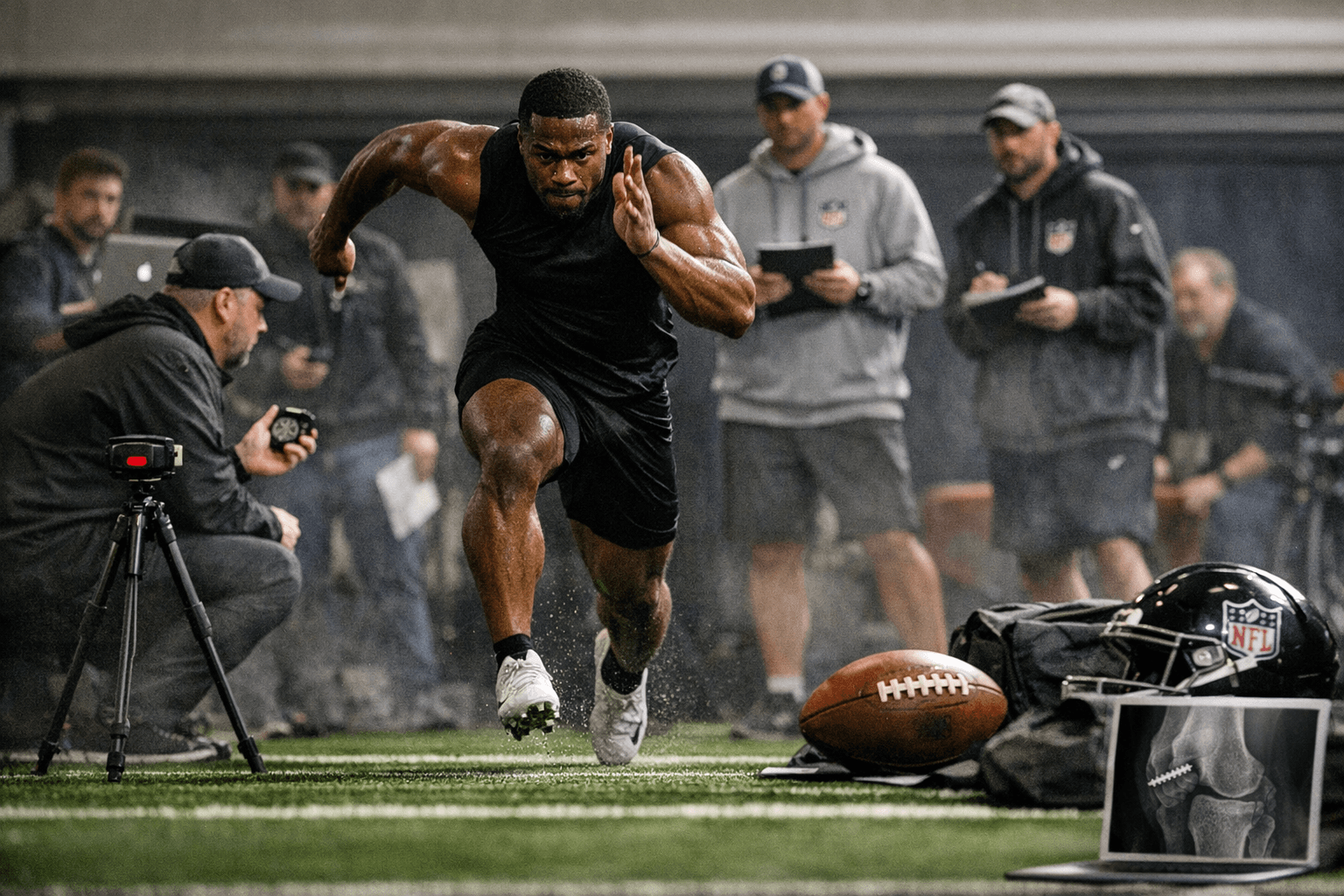
Measurables remain a fast lane to attention. Forty-yard dash times, vertical jump, shuttle results, and positional drills performed at combines, pro days, or all-star games change perceptions quickly. Strong testing at pro days or performances at East-West Shrine and Senior Bowl invitations frequently translate into elevated looks from higher-level programs and pro scouts. For many FCS athletes, a clean combine profile moves them from fringe consideration to priority target.
Film study determines positional projection. Scouts dissect tape for play speed, football IQ, technique, and scheme versatility. Edge rushers who show speed-to-power conversion, bend around the corner, and consistent hand placement, or receivers who display reliable route nuance and slot versatility, stand out. The ability to demonstrate pro traits within a scheme translates into draft grades or targeted undrafted free-agent interest.
Medical evaluations and character assessments are gatekeepers. Injury history, combine medical checks, and background information provided by coaches factor heavily into draft boards. Teams weigh leadership, academic standing, and coach recommendations when deciding between drafting a late-round prospect and signing an undrafted player to compete in camp.
Exposure and timing complete the profile. Participation in televised FCS playoff games, postseason all-star contests, and regional pro days at FBS programs raises visibility. The January transfer window and the all-star season offer extra opportunities to reframe a prospect’s narrative and secure invitations to NFL regional combines.
For programs and players, practical steps are clear. Coaches should schedule at least one FBS opponent, help players prep for pro-day testing and interviews, and actively place film and bios with scouts. Players should arrive at pro day in peak condition, keep tape focused and clean, prepare media-ready bios, and train for measurable tests. Coordinating all-star-game appearances and attending regional combine invites can be decisive.
The bigger implication is structural: evaluation pathways can broaden access for FCS athletes who meet measurable and demonstrable thresholds. For fans and talent evaluators, the coming all-star season and pro-day calendar will reveal which FCS prospects convert potential into professional opportunity.
Know something we missed? Have a correction or additional information?
Submit a Tip