Five hantavirus-exposed cruise passengers return home, continue monitoring
Five U.S. cruise passengers cleared from Nebraska quarantine have gone home to finish 21 more days of monitoring after a rare Andes virus scare.
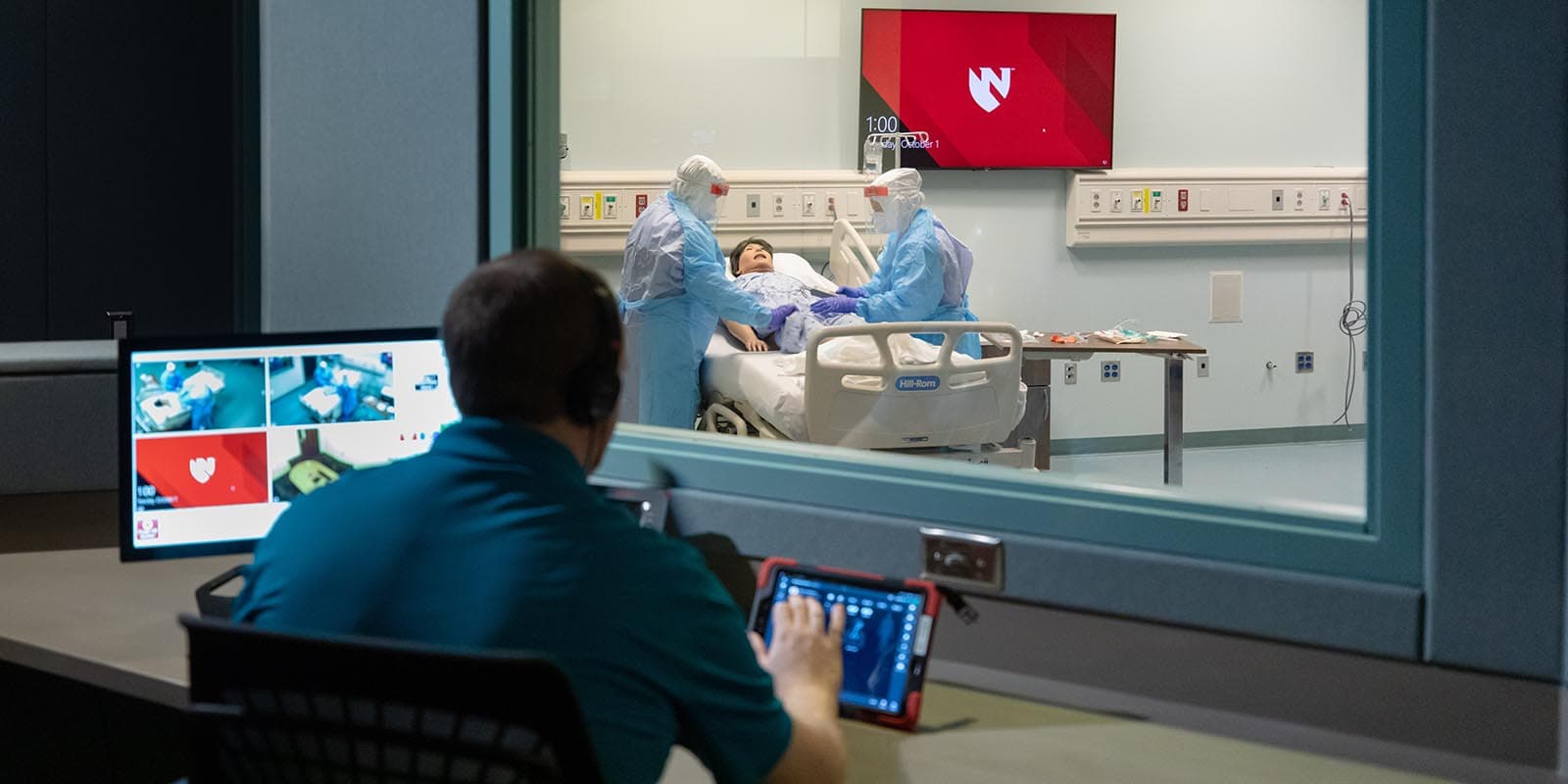
Five U.S. cruise passengers exposed to hantavirus on the M/V Hondius have left Nebraska’s quarantine unit and returned to their home states, but they remain under public-health watch for the rest of a 42-day monitoring period. Federal officials said the five were symptom-free and met the criteria to continue isolation at home, while 13 other exposed passengers remained at the Nebraska Quarantine Unit at the University of Nebraska Medical Center as of June 2.
The transfer marks the next step in a tightly managed response that began after 18 potentially exposed U.S. passengers were repatriated to Nebraska for monitoring. The five who went home did not travel commercially, and state and local public health authorities will now oversee their remaining observation period. In practical terms, that means continued symptom checks during the window when infection could still emerge, rather than confinement in Omaha.

The case has put unusual attention on Nebraska’s public-health infrastructure. The state’s National Quarantine Unit is the only federally funded quarantine unit in the United States, and Nebraska has reported fewer than 10 hantavirus cases since 1993. Officials said the episode involved the Andes virus, the only known hantavirus that can spread person-to-person through prolonged close contact with an ill person. Symptoms can appear 4 to 42 days after exposure, with an average onset of about 18 days.
The outbreak began on a ship carrying 147 people, including 86 passengers and 61 crew members from 23 countries. The vessel left Ushuaia, Argentina, on April 1 and traveled through Antarctica, South Georgia Island, Tristan da Cunha, Saint Helena and Ascension Island. The outbreak was reported on May 2, and by May 8 the World Health Organization had reported eight cases, including three deaths. Three more cases were later identified after passengers disembarked in France, Spain and Canada.
Public-health officials have emphasized that the risk to the broader U.S. public remains extremely low. The response has depended on coordination between the Centers for Disease Control and Prevention, Nebraska health officials, the University of Nebraska Medical Center and other agencies that handled the repatriation and monitoring. For a disease that rarely surfaces in the United States, the episode showed how containment now depends less on one locked facility than on a handoff system linking federal, state and local authorities across state lines.
This article was produced by Prism’s automated news system from verified source data, official records, and press releases, then run through automated quality and moderation checks before publishing. The system is built and supervised by the people who set the standards it runs under. Read our full AI policy.
Did this article answer your question?


