Five men charged in alleged White House UFC attack plot
Prosecutors said the alleged White House UFC plot mixed drones, gunfire and grievance-heavy Signal chatter. A Chicago man later faced an obstruction charge after allegedly deleting the app.

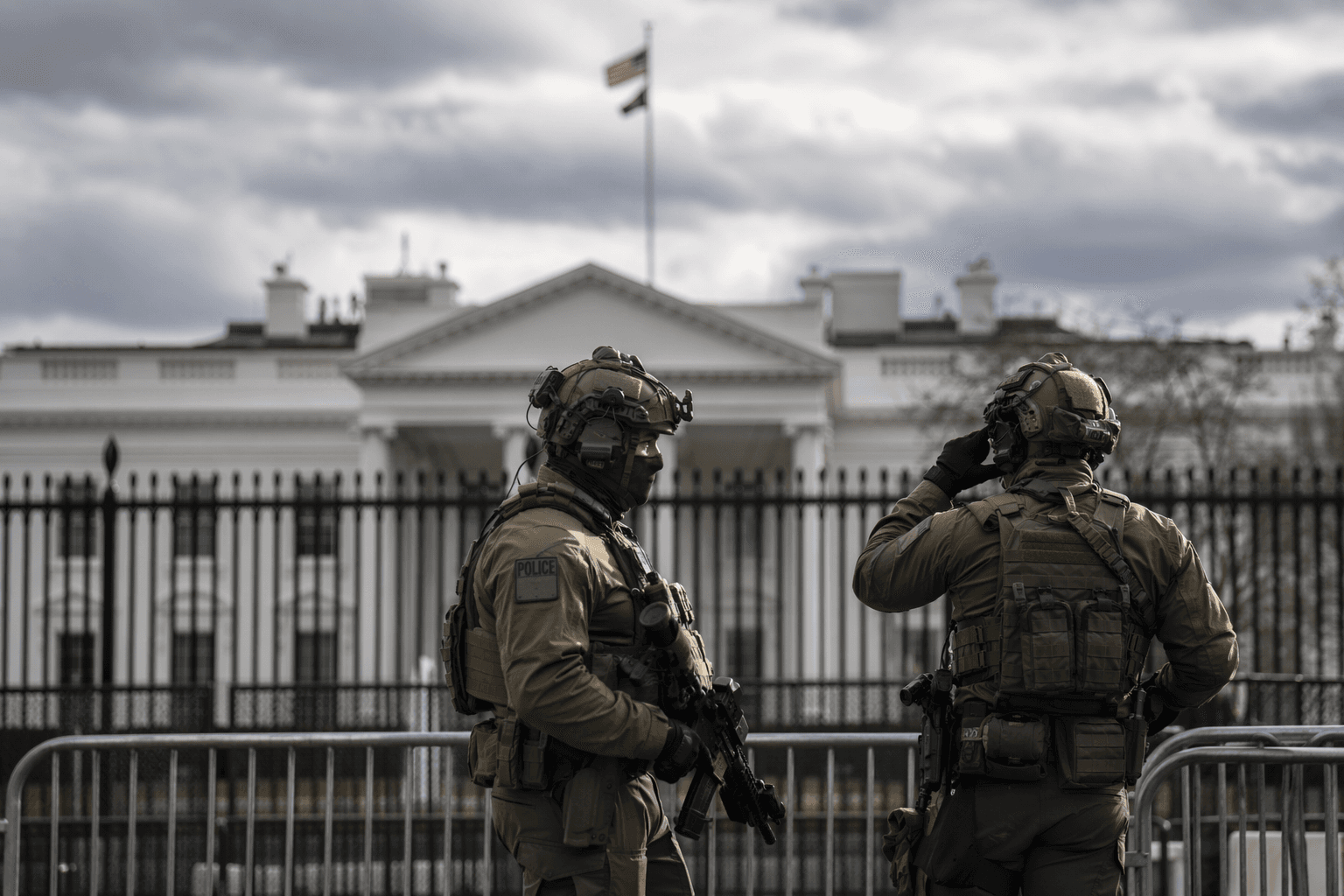
Federal prosecutors said five men plotted to use explosive-laden drones and gunfire to attack government officials and other attendees at a UFC event staged on the White House grounds, turning a celebration tied to America’s 250th anniversary and Donald Trump’s 80th birthday into a target. The case has also become a window into how grievance-filled online spaces can harden into operational planning, with investigators treating the suspects’ meme-heavy chatter as something closer to recruitment and signaling than random noise.
The Justice Department said the FBI first became aware of a potential threat on June 10, four days before UFC Freedom 250 on Sunday, June 14. By then, the alleged plan called for drones packed with explosives to trigger a mass evacuation, followed by gunfire on people fleeing the scene. Agents recovered firearms, ammunition, encrypted messages and maps and photos of the area, and arrests were made across Ohio, Missouri, Nebraska, California and Illinois.
What stood out in the digital trail was the texture of the talk itself. Investigators said the group’s online posts blended references to Epstein, billionaires, government corruption and antisemitic remarks into a loose ideological stew. That kind of material can serve multiple purposes at once: a way to test loyalty, to signal belonging inside an insular network, and to give violent intent the false structure of a cause. U.S. Capitol Police investigated nearly 15,000 concerning threats in the prior year, up from more than 9,000 the year before, underscoring how much political threat-making now sits in the daily workload of federal law enforcement.
On June 26, prosecutors added a separate obstruction charge against Alexander Iniguez Mercado, 20, of Chicago. They said Mercado was an administrator and member of Signal groups tied to the case, spoke by phone with an FBI special agent on June 13, denied plans to travel to Washington and then uninstalled Signal, leaving investigators without data from his phone. The charge carries a maximum sentence of 20 years in prison.
The investigation has also drawn internal criticism over public messaging. Some law-enforcement officials were frustrated after FBI Director Kash Patel publicly posted about the foiled plot while the case was still active, a move they worried could alert other suspects before arrests were complete. Prosecutors said seven other people from multiple states had already been charged, and the broader case remains open.
This article was produced by Prism’s automated news system from verified source data, official records, and press releases, then run through automated quality and moderation checks before publishing. The system is built and supervised by the people who set the standards it runs under. Read our full AI policy.
Did this article answer your question?

