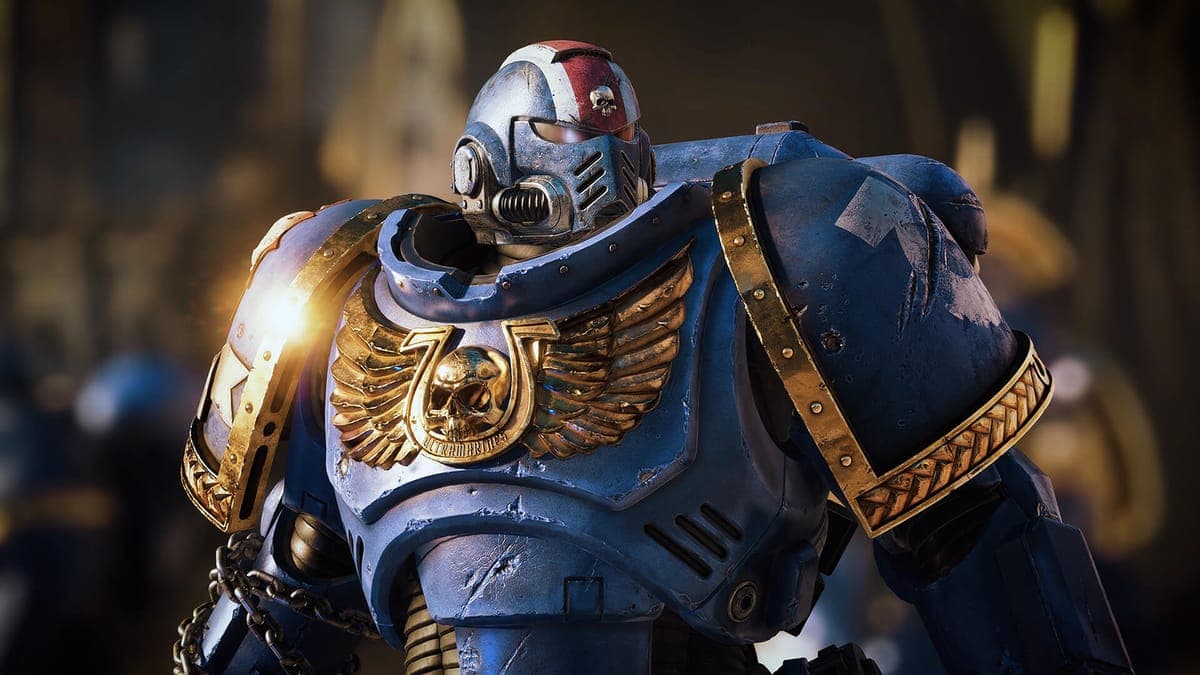
Five ways to make your 40k lists more resilient
A concise primer outlines five practical changes to harden Warhammer 40k lists across formats. These tips improve redundancy, scoring, mobility, and match management.

Make your Warhammer 40k lists harder to break with five practical adjustments that work in friendly games, league nights, and tournaments. The problem is familiar: a single well-timed alpha strike, a denied stratagem, or a lucky removal of a named character collapses an entire list. The solution starts with simple design choices that buy you time and options.
First, define your primary role and build two backup plans. Decide if your list’s job is to contest objectives, alpha-strike, control the board, or grind via attrition. Then include at least two units or small detachments that can pivot mid-game. A gunline that can also act as objective holders, or a strike force that can fall back into a scoring role, prevents a single plan from being all-or-nothing.
Second, balance points and build redundancy. Don’t pack all your firepower into one bog-standard unit or one particular weapon loadout. Distribute damage dealers so your opponent can’t neutralize your list with one focused tactic. Include small objective-holding teams—3-5 man squads with cheap transports or other low-cost board control pieces—that are cheap to replace on paper but costly for the opponent to dislodge late in the match.
Third, prioritize cheap scoring and mobility. Always have at least one inexpensive scoring block that’s a poor points sink for your opponent but difficult to remove. Mobility via jump packs, transports, or deep striking buys flexibility and forces opponents to react to you rather than the other way around. A mobile centerpiece forces engagement on your terms and opens multiple routes to points.
Fourth, tune secondaries and mission pairings to your army’s strengths. If you field durable models, aim for Engage on All Fronts or Ground Control; glass cannons should lean into Destroy Priority Targets or Slay the Warlord. Practice mission pairings in mock games—some secondary combinations punish specific archetypes, and knowing which to expect gives you a significant edge.

Fifth, focus on time management and reliable synergies. Keep at least one unit that provides repeatable effects: a buff aura, a re-roll bubble, or objective denial tool. Test your list’s average turn time in practice; long, fiddly turns compound into mistakes at events and eat clock on turns that matter.
Finally, avoid building around a single one-trick solution. If you include a critical named character or a pivotal stratagem, ensure there’s an inexpensive fallback path to scoring or pressure if that piece is neutralized. Iterate after real games: note what failed, why, and how easy it is to swap a single unit to patch the hole.
The takeaway? Build lists that can flex, not just win a single matchup. Our two cents? Treat every unit as insurance—small, cheap, and useful—and you’ll see fewer games where one bad roll ends the whole story.
Know something we missed? Have a correction or additional information?
Submit a Tip