Florida leads U.S. executions as death penalty support hits low
Florida had carried out its ninth execution of 2026 by late June, after a record 19 in 2025 that nearly matched 40 percent of U.S. executions.

Florida had carried out its ninth execution of 2026 by late June, keeping the state on pace to top its own record again. That run followed 19 executions in 2025, a modern-era high that accounted for nearly 40 percent of the 47 executions carried out nationwide.
The numbers set Florida apart from the rest of the country. Nationally, executions rose from 25 in 2024 to 47 in 2025, but public support for the death penalty fell to a five-decade low and new death sentences continued to decline, with only 23 new sentences nationwide. Florida’s pace also dwarfed its own history: before 2025, the state’s modern-era record was eight executions in a year, first set in 1984 and matched in 2014.
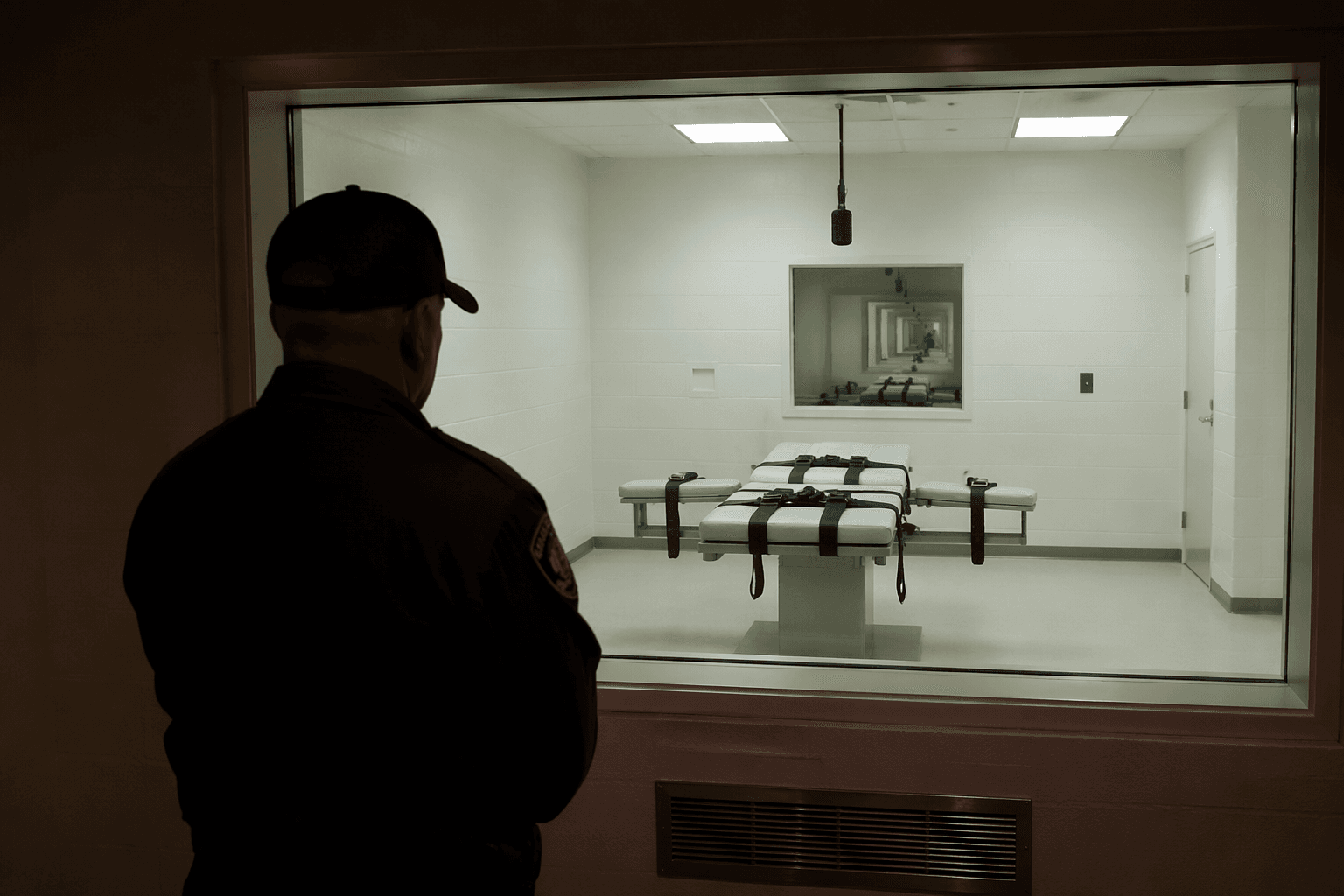
No other state had ever gone past 18 executions in a single year except Texas, which did so in 2009. Florida’s 2025 total surpassed that threshold and marked the most executions the state had carried out since the death penalty was reinstated in 1976. By late June 2026, the state was on track for roughly 20 executions for the year.
The machinery behind the surge has centered on Gov. Ron DeSantis. Death warrants were signed at a faster rate than in any previous Florida period, and advocates say the governor’s control over those warrants gives him more authority than top officials in other states. That concentrated power has made the state’s execution schedule unusually compressed and has allowed Florida to move faster than many states that still retain capital punishment.
Opponents, including the Death Penalty Information Center, the American Civil Liberties Union and religious leaders in Florida, have pointed to racial disparities, wrongful convictions and constitutional questions as the state accelerated executions. Florida’s death row remains one of the nation’s largest, with hundreds of inmates awaiting execution, a reminder that the state’s pace at the top of the system has not reduced the size of the list beneath it.
The result is a stark national split: most of the country has moved away from executions, while Florida has built the most aggressive capital punishment schedule in the United States. That divergence has made the state the clearest test case for what death penalty supporters can do when a governor is willing to use the office at full speed.
This article was produced by Prism’s automated news system from verified source data, official records, and press releases, then run through automated quality and moderation checks before publishing. The system is built and supervised by the people who set the standards it runs under. Read our full AI policy.
Did this article answer your question?

