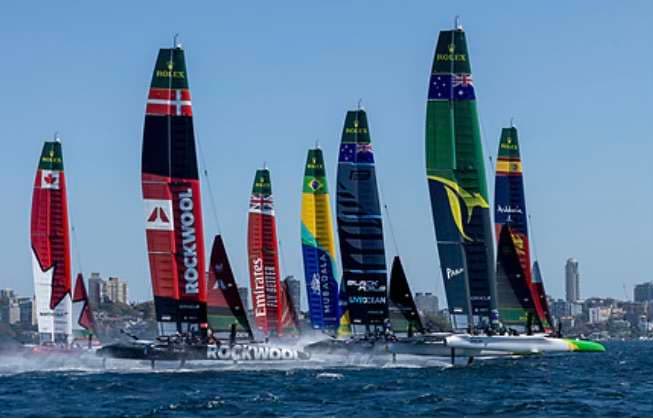
Foil-Assisted Maxi Raven Claims Monohull Line Honours, Sets Transatlantic Record
Raven, a 34m foil-assisted maxi, won monohull line honours and set a new RORC Transatlantic Race record, showing foils can boost offshore endurance as well as top-end speed.
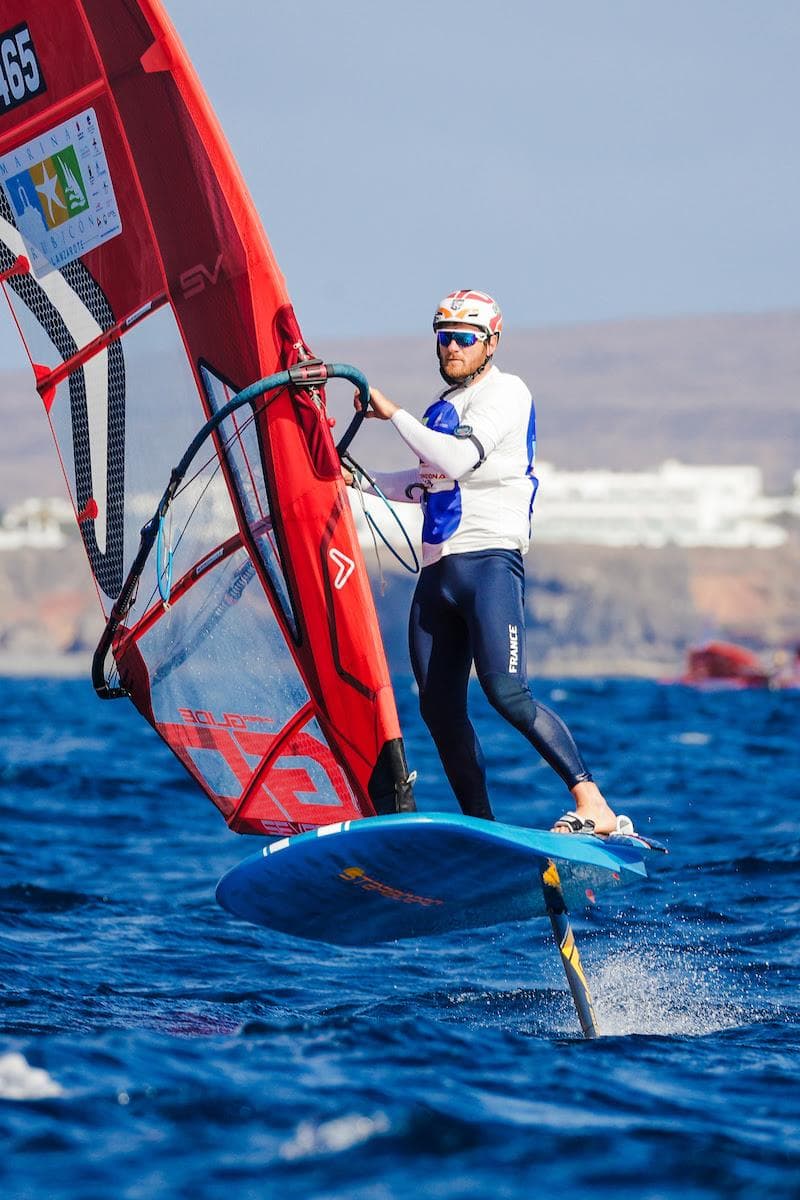
Raven crossed the line first in the 2026 RORC Transatlantic Race from Lanzarote to Antigua, claiming monohull line honours and posting a new race record with a passage of about six days and 22 hours. The 34m Baltic 111 demonstrated sustained high average speeds, with reported passage speeds topping 30 knots at times, by relying on foil-assisted stability rather than full flight.
The boat’s setup used side foils in combination with water ballast to reduce displacement and improve controllability in long ocean passages. That approach kept Raven fast without forcing continuous full-flight foiling; the result was a blend of lift, reduced drag, and predictable handling that proved durable over nearly a week at sea. For crews and designers, the clear takeaway is that foils can change endurance profiles as well as outright sprint performance.
This result matters to foil-surfing and foiling communities because it reframes how hydrofoil technology scales to large offshore yachts. Up until now, much of the foil conversation has centered on sprint boats and short-course foiling. Raven’s performance shows that with the right foil geometry, ballast strategy, and control philosophy, the advantages of lift can be applied to passage-making and offshore tactics. That has practical implications for foil engineering, materials selection, and operational practice: designers will need to balance stiffness, fatigue resistance, and impact tolerance; shore crews and skippers will need inspection protocols and contingency plans tailored to load cycles experienced on long runs.

Operationally, Raven’s campaign underscores the importance of controllability and safety when foils are used offshore. A foil-assisted approach that preserves some displacement gives crews time to manage sea-state transitions, sail changes, and systems checks without the abrupt transitions associated with full-flight modes. For race teams and cruisers considering foil retrofits or newboat foiling systems, the lesson is to prioritize predictable handling and redundancy as much as raw speed.
The engineering ripple effects are already clear: materials and connections must withstand repeated, high-energy cycles; foil shapes and strut designs must be optimized for partial lift regimes and mixed loading; and routing and performance models should incorporate sustained high-speed windows rather than only peak VMG metrics. Crews will also need to adapt watchstanding, sail selection, and ballast use to exploit foil-assisted gains while managing wear.

Raven’s victory signals a shift in big-boat thinking: foils are no longer just a short-course game-changer but a legitimate tool for offshore performance and endurance. Expect designers, sailors, and support yards to accelerate work on inspections, training, and foil-tuned systems as foiling becomes a standard line in the offshore playbook.
Sources:
Know something we missed? Have a correction or additional information?
Submit a Tip