Forces News Brief Highlights Three UAS Systems Driving Global Drone Race
Forces News flags three UAS breakthroughs—Flywing’s X‑Wing Fighter, HoverAir Aqua and low‑cost loitering/swarm kits—that are reshaping tactics, regulation and markets worldwide.

1. Flywing’s X‑Wing Fighter
Flywing’s X‑Wing Fighter brings FPV cockpit combat out of the military simulation suite and onto the consumer shelf, creating a new entry point for pilot training and competitive flying. The Forces News brief highlights that the X‑Wing’s helmet‑style immersion and combat-style telemetry are shortening the learning curve for advanced piloting techniques, effectively seeding a civilian pipeline of operators who can transition skills into tactical and commercial roles. That crossover has cultural impact—FPV racing is no longer purely sport but a visible incubator for operator skill—and business implications: manufacturers can monetize dual-use features (consumer sales, training contracts, accessories) while leagues and venues expand spectator products around cockpit experiences.
2. HoverAir Aqua
HoverAir Aqua’s amphibious small UAS has been singled out in the brief after an FCC rule change paused shipments, a concrete regulatory and supply‑chain shock with immediate operational consequences. The pause has delayed deliveries to coastal law enforcement, environmental survey teams, and private maritime operators that had already contracted units, demonstrating how a single regulatory decision cascades into procurement timelines and local security plans. Strategically, the Aqua’s combination of water‑operation capability and modular payloads makes it attractive for both civilian missions and littoral surveillance, which explains why regulators and competitors reacted swiftly; commercially, manufacturers face inventory piles and channel friction while buyers reassess compliance pathways.

3. Low‑cost loitering munitions and commercial swarm kits
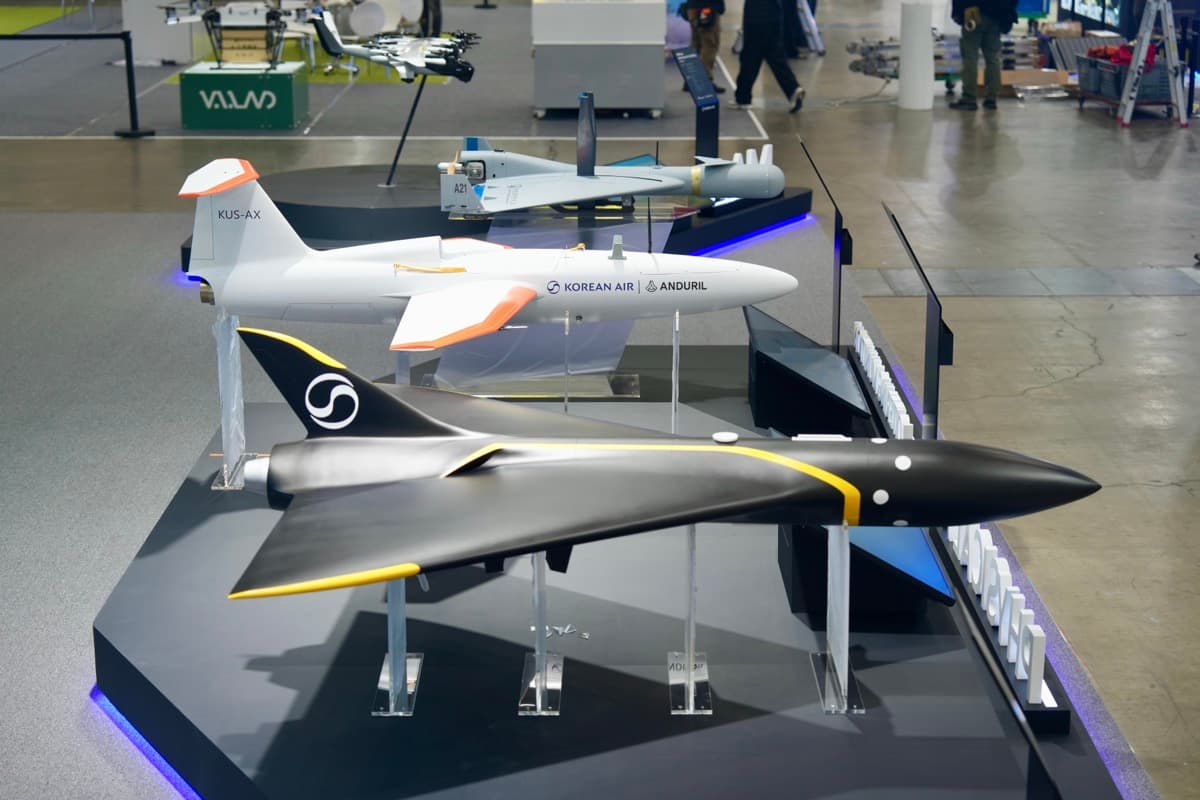
The third system the Forces News brief spotlights is not a single model but a class: cheap loitering munitions and modular swarm kits that lower the barrier to strike and massed effect. Forces News connects these platforms directly to a fast‑moving “drone race” between state and non‑state actors, showing how availability of inexpensive, disposable airframes has shifted battlefield economics and tactical doctrine. The social implications are stark—as the brief argues, proliferation of low‑cost strike tools forces states to rethink air defenses and export controls, while civilians and infrastructure face new asymmetric risks; industry trends follow, with suppliers emphasizing upgradability, logistics support and compliance services to keep contracts with governments that now demand both offensive capability and traceability. Concretely, that trend is driving faster procurement cycles for counter‑UAS systems, renewed investment in electronic warfare, and a market bifurcation between high‑end, regulated platforms and commoditized, widely available kits that change how wars are fought and how societies regulate emerging tech.
Know something we missed? Have a correction or additional information?
Submit a Tip