Ford opens secret California EV lab, targets $30,000 electric pickup
Ford’s California skunkworks is chasing a $30,000 electric pickup by rethinking the battery, the factory floor and the cost of EVs for work-truck buyers.
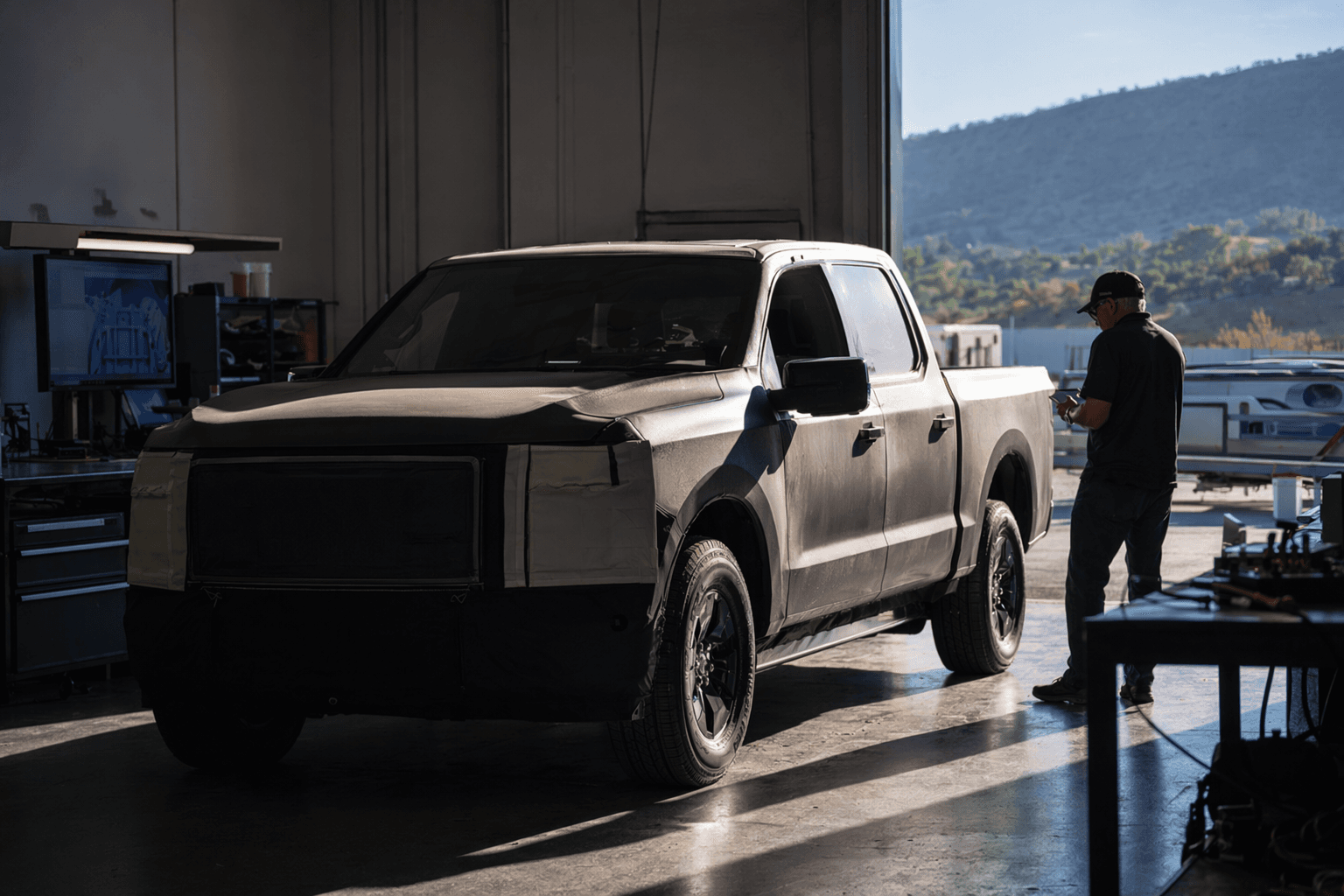
Ford Motor Co. is betting that a thinner battery, a different factory layout and a stripped-down pickup can do what most electric trucks have not: reach buyers who still shop on price first. The company’s first vehicle on its new Universal Electric Vehicle platform is an affordable midsize electric pickup targeted to start at about $30,000 in 2027, a price point that would put an EV truck far closer to the reach of working-class and rural customers than today’s premium electric pickups.
Inside Ford’s Electric Vehicle Development Center in Long Beach, California, the company is trying to cut the time and cost of that gamble. Ford opened the facility to reporters on April 30, 2026, offering the first public look at a site that began three years ago as a secret skunkworks project and has since grown into a 350-person operation. The center brings together design, engineering, supply chain work, battery development, milling, 3D printing, prototyping and testing under one roof. Ford says that setup lets the team move from concept to testing in hours or days rather than weeks or months.

Alan Clarke, Ford’s vice president of advanced development projects and a 12-year Tesla veteran, leads the effort. Ford says the Long Beach team was set up separately from the company’s broader Michigan organization to reduce red tape and speed development, a sign that the automaker believes speed itself is now a competitive advantage.

The battery is the biggest battleground. Ford says it accounts for roughly 40% of an EV’s cost, so the company is pursuing a slimmer, more efficient pack and a lower-cost lithium iron phosphate chemistry to push the truck’s price down. That cost pressure is shaping Ford’s manufacturing rethink as well. The company says its new production system uses an “assembly tree” instead of a traditional line, with separate front, rear and structural battery branches.
Ford has framed the initiative as a “Model T moment,” a nod to the company’s history of mass production. The scale of the bet is large: about $5 billion in total, including roughly $2 billion for Louisville Assembly Plant and about $3 billion for BlueOval Battery Park Michigan. Ford says the plan will create or secure nearly 4,000 jobs, and that BlueOval Battery Park Michigan is expected to begin producing lithium iron phosphate batteries in 2026.
The strategic target is clear. Ford says the first Universal EV product is meant to answer lower-cost electric competition, especially from Chinese automakers. If the company can hold the price near $30,000 without stripping out the utility truck buyers expect, Detroit may finally have a mass-market EV formula instead of another premium experiment.
This article was produced by Prism’s automated news system from verified source data, official records, and press releases, then run through automated quality and moderation checks before publishing. The system is built and supervised by the people who set the standards it runs under. Read our full AI policy.
Did this article answer your question?