Ford recalls more than 24,000 Escapes and Corsairs over shutdown risk
Ford announced a Feb. 24, 2026 recall of more than 24,000 Escape and Corsair hybrids; owners should check VINs and follow interim safety instructions amid overlapping earlier recalls.

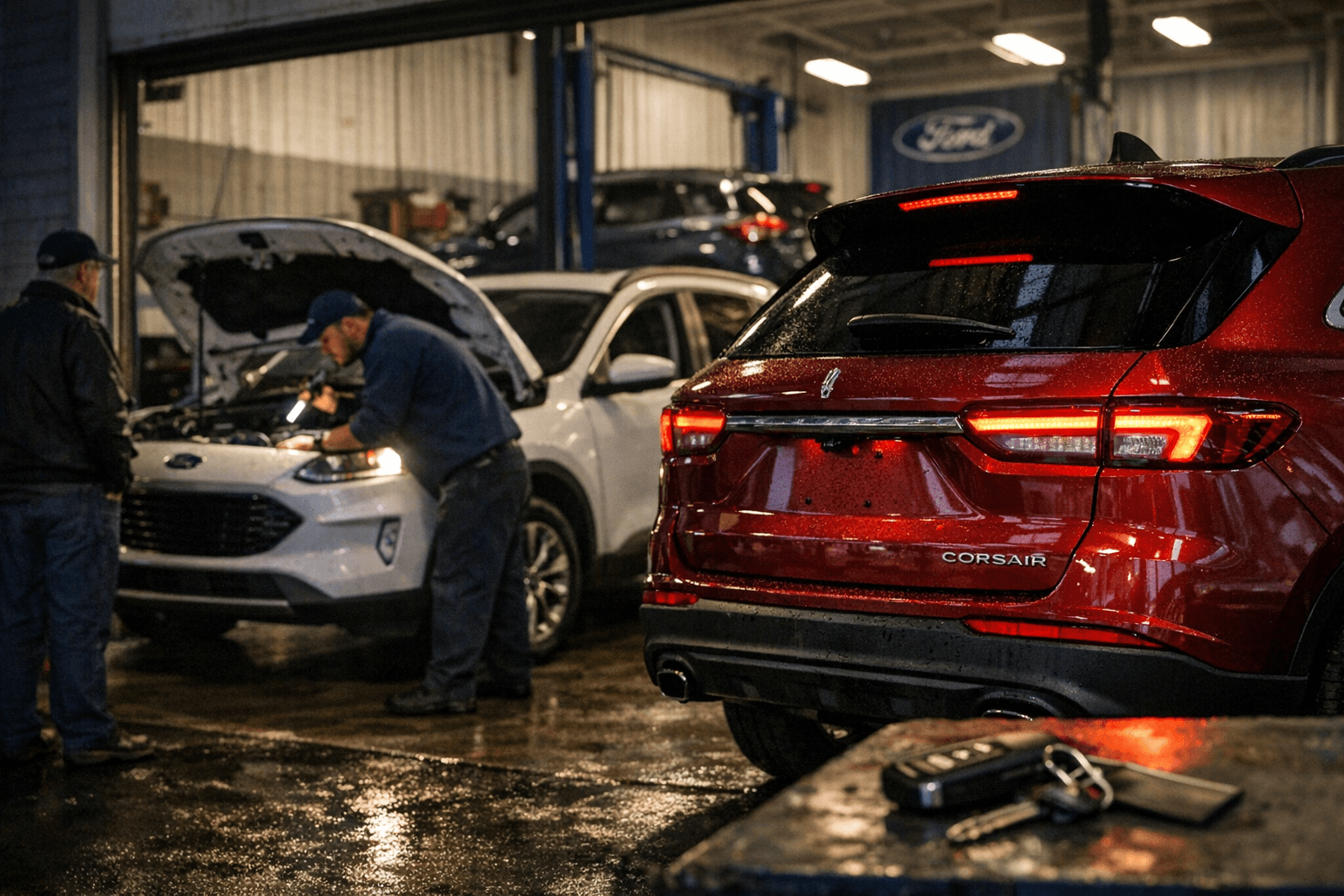
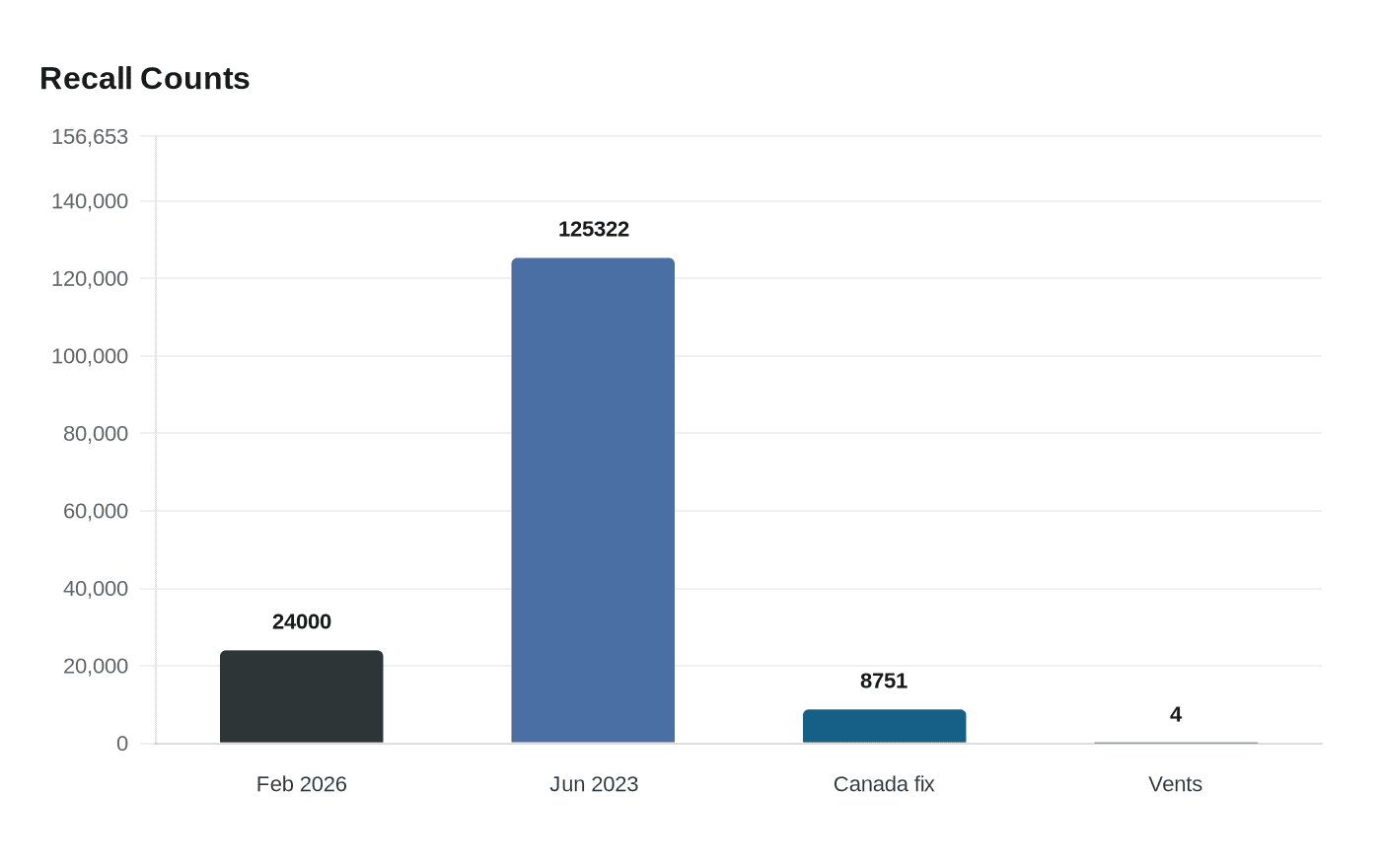
Ford Motor Company announced on Feb. 24, 2026 that it is recalling more than 24,000 Ford Escape SUVs and Lincoln Corsair crossovers after finding a fault that "could cause the propulsion system to shut down while driving." The action adds to a patchwork of earlier safety campaigns affecting thousands of hybrid and plug-in hybrid Ford vehicles and raises fresh concerns about fire, roadside safety, and repair access for affected owners.
Federal records show a separate, larger recall announced June 6, 2023 that covered 125,322 vehicles after 2.5-liter hybrid engines could fail prematurely and potentially cause under-hood fires. That NHTSA release advised drivers to "safely park and shut off the engine as quickly as possible if they hear unexpected engine noises, lose power, or see or smell smoke." The June 2023 recall named broad model-year ranges including 2020 through 2023 Escapes, 2022 and 2023 Mavericks, and 2021 through 2023 Corsairs.
Other filings and media reports describe a narrower battery defect in plug-in-hybrid models. Recall documents cited by the automotive press say a manufacturing flaw in high-voltage battery cells may damage the separator layer inside a cell, creating an internal short and a risk of thermal events. In those files, instrument clusters display a "Stop Safely Now" warning if the condition appears. Published reports note "there have been four total reports of 'thermal venting' as a result of the issue, but no accidents or injuries have been reported."
Interim owner instructions have varied by campaign and market. Officials have told some owners to limit battery charge and to use only "Auto EV" mode while Ford develops a final remedy. As one local report put it, owners "will be instructed by mail to limit the maximum charge of the battery until a remedy has been completed." That same report cited Ford recall number 25SC4 and gave Ford customer service as 1-866-436-7332. In Canada, one outlet said a 2024 software update "doesn't appear to fix the issue completely, another visit to the dealership will be required for 8,751 of these SUVs across the country."
The overlapping notices create practical and public health concerns beyond the immediate risk of fires. Hybrid battery thermal events can produce toxic smoke and complicate firefighting, while sudden propulsion shutdowns on highways raise crash risk, particularly for drivers in high-speed traffic or those unable to afford alternate transportation while waiting for repairs. Repair access is unequal; low-income, rural, and marginalized communities often face longer waits for dealer appointments, less access to loaner vehicles, and greater reliance on older used cars, increasing their exposure to prolonged safety risk.
Regulatory and public health experts say clear, consolidated communication from manufacturers and the National Highway Traffic Safety Administration is essential so owners know which vehicles and powertrains are affected, what interim steps to take, and where to obtain repairs without undue delay. Vehicle owners can verify recall status by entering their 17-digit VIN at NHTSA.gov/recalls, using the SaferCar app, or calling NHTSA's Vehicle Safety Hotline at 888-327-4236. Owners also may contact Ford customer service at 1-866-436-7332 for campaign-specific guidance.
Because counts, dates, and remedies differ across government releases, filings, and media reports, owners should verify which recall applies to their vehicle and follow interim safety instructions until a permanent remedy is completed.
This article was produced by Prism’s automated news system from verified source data, official records, and press releases, then run through automated quality and moderation checks before publishing. The system is built and supervised by the people who set the standards it runs under. Read our full AI policy.
Did this article answer your question?

