Forensic evidence links Austin yogurt-shop suspect to 1998 Kentucky murder
Forensic testing matched DNA and a .380 shell casing tying Robert Eugene Brashers to a 1998 Lexington homicide. The findings broaden his linked murders and show the power of preserved evidence.
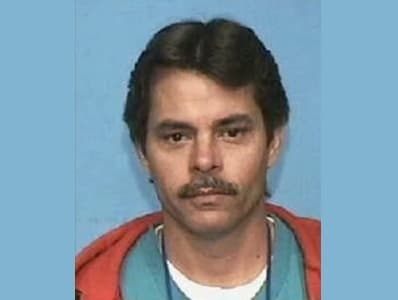
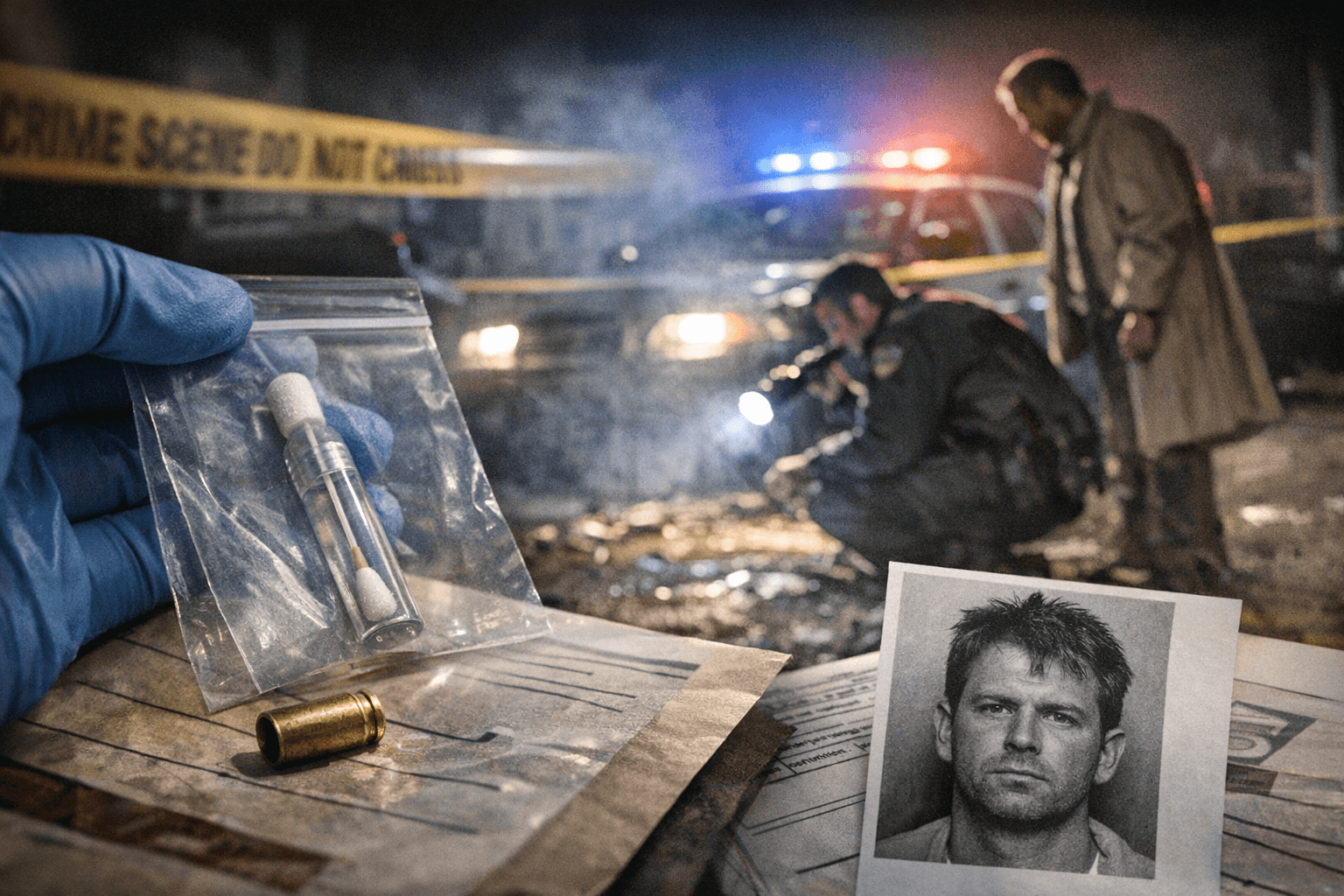
Investigators have formally linked Robert Eugene Brashers, identified in 2025 as the suspect in the 1991 Austin yogurt shop killings, to a 1998 Lexington homicide after modern forensic testing produced matching ballistic and DNA evidence. A .380 shell casing recovered at the Kentucky crime scene was matched to evidence already connected to the yogurt shop murders, and additional testing of a Kentucky rape kit produced an STR DNA profile that corresponds to Brashers’ profile developed from the Austin cases.
The 1998 victim, Linda Marie Rutledge, was found after a fire at a hearing-aid center in Lexington; she had been shot and sexually assaulted. Ballistic examinations now tie the .380 casing at that scene to the same .380 firearm linked to the Austin crimes, while the STR DNA profile from the preserved rape kit provides a genetic match. Together, the two strands of evidence corroborate investigators’ long-suspected connection across state lines.
Brashers died by suicide in 1999, so he will not face prosecution for the Kentucky case. Still, authorities say the new confirmations expand the number of murders now attributed to him, at least eight homicides plus multiple sexual assaults, and offer renewed closure for families and communities that have waited decades for answers.
The case highlights two practical points for anyone invested in cold-case work: preserved biological evidence and careful evidence retention matter. Modern STR testing and improved ballistics comparison tools can produce definitive links that were technically out of reach in the 1990s. Cross-jurisdiction cooperation also proved essential; matching a shell casing and a DNA profile required that evidence be cataloged, preserved, and shared between agencies.
For family members of victims, the confirmation is a double-edged moment: proof that investigations were on the right track, and a reminder that justice can be final even without a trial. For local law enforcement and civilian cold-case volunteers, this development underscores the value of reexamining evidence as technology advances. Ballistics databases, crime lab capacity, and DNA backlog reduction remain community-relevant priorities if more old cases are to be resolved.
Our two cents? Keep pushing for preserved evidence to be tested as new methods arrive, and stay persistent in cross-jurisdiction communication. If you have unresolved cases in your community, contact your local cold-case unit or victim services to learn whether existing evidence could be reanalyzed, the science that solved this linkage can help close other chapters too.
Know something we missed? Have a correction or additional information?
Submit a Tip