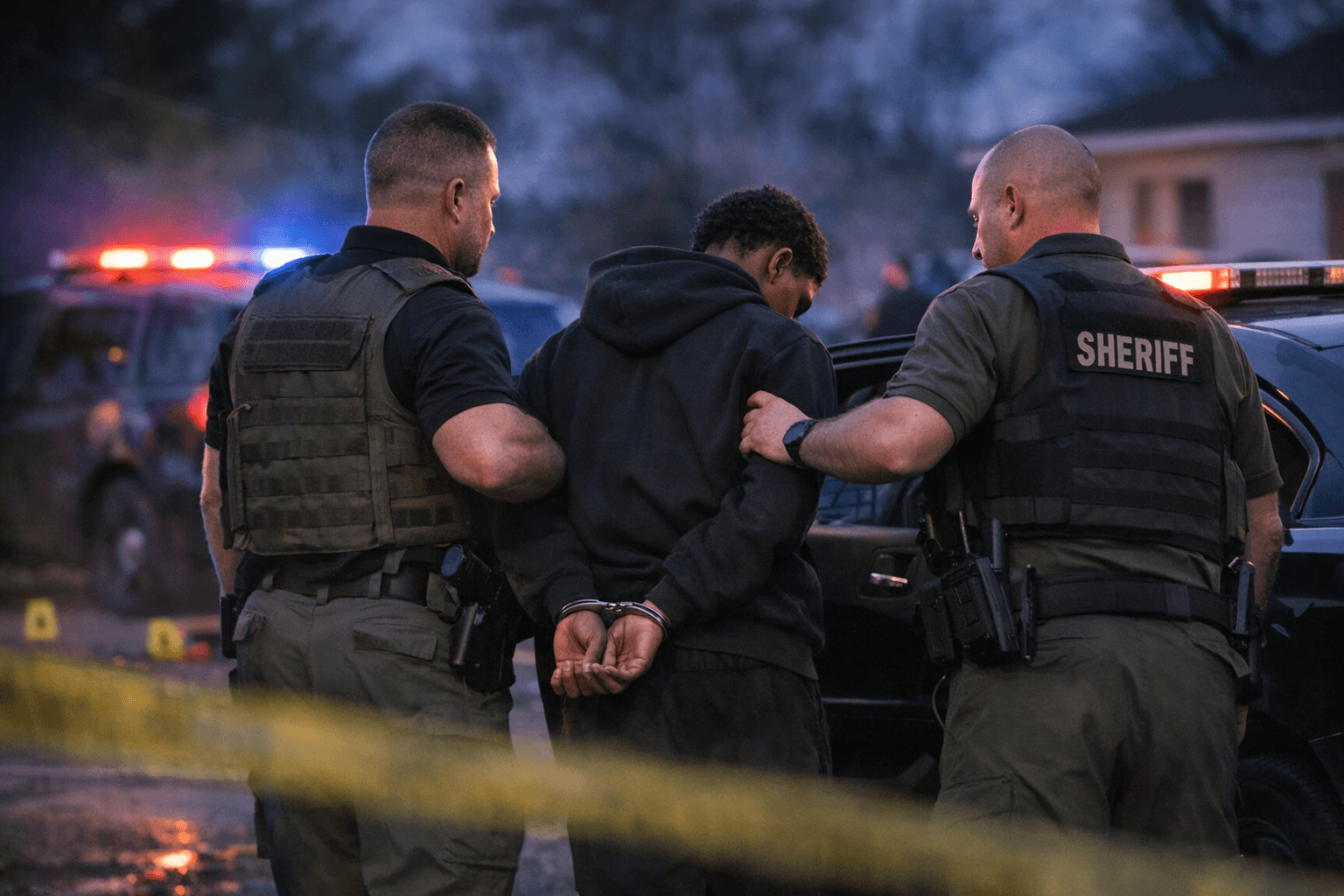
Forensic Genome Sequencing Identifies Former Oregon Mayor Missing Since 2006
Skeletal remains found on a Taholah beach in 2006 were identified as former Fossil mayor Clarence Edwin Asher using forensic-grade genome sequencing and genetic genealogy.

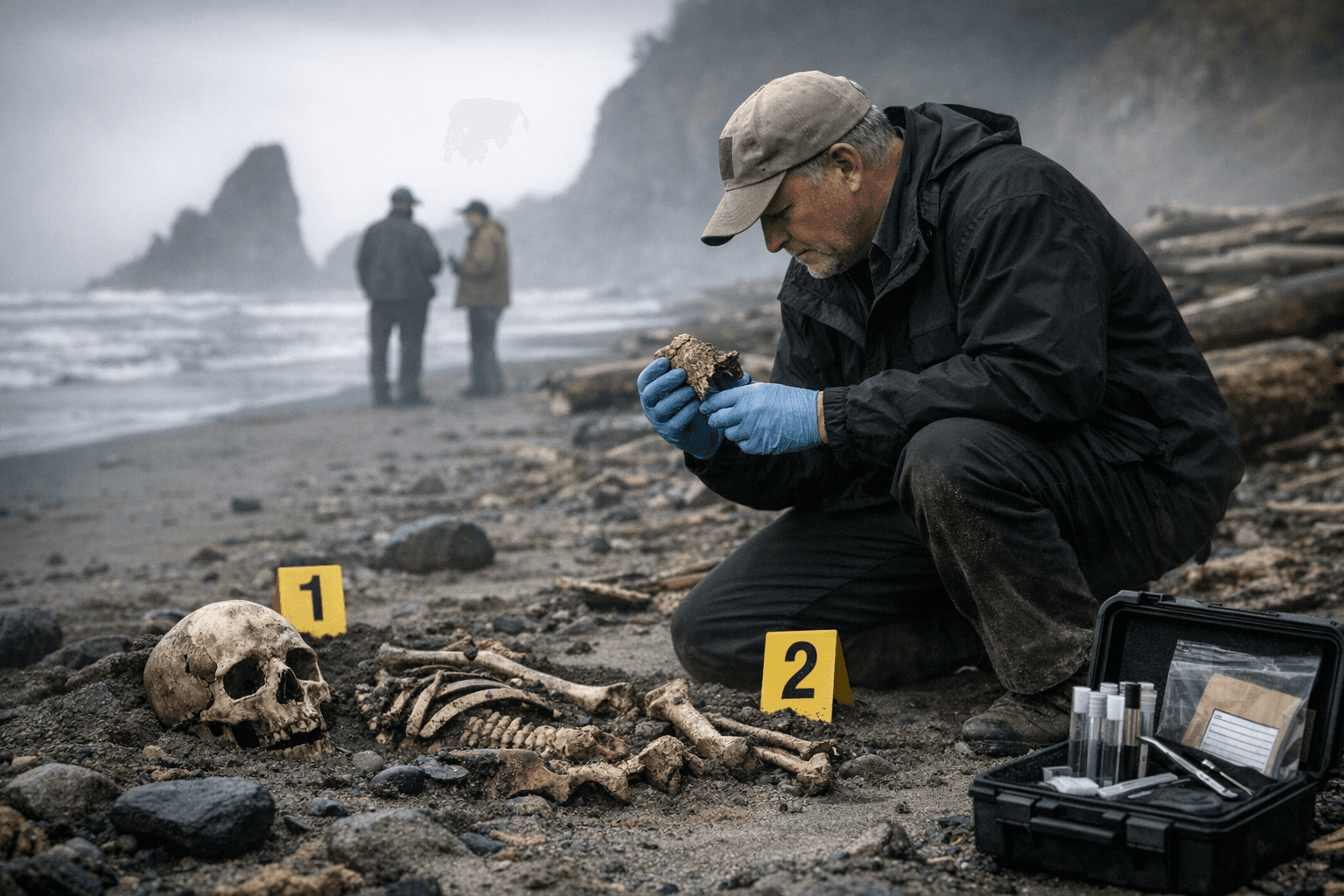
Skeletal remains recovered from a Taholah, Washington, beach in November 2006 have been identified as Clarence Edwin Asher, a former mayor of Fossil, Oregon who disappeared on Sept. 5, 2006 and was later declared legally dead. Authorities confirmed the identification on Jan. 15, 2026 after a prolonged cold-case effort that relied on modern genomic tools.
Investigators sent forensic evidence from the scene to private laboratory Othram, which applied forensic-grade genome sequencing and investigative genetic genealogy to generate a usable DNA profile. That profile produced leads that ultimately led to a relative’s DNA match and the positive identification. Officials noted this case represents the 43rd Washington State identification using Othram’s technology, underscoring how advanced sequencing and genealogical methods are reshaping cold-case work.
The discovery closes a decades-long chapter for Asher’s family and changes the factual record about a casefile that had long lacked a human answer. For the True Crime community, the case highlights two practical points: first, preserved biological evidence can yield identifications even after many years when modern sequencing is applied; second, investigative genetic genealogy continues to be a powerful tool for generating family leads in cases that stall under traditional DNA methods.
Asher’s disappearance in 2006 left questions in both rural Oregon and coastal Washington, regions familiar to readers who track cold-case resolution patterns across state lines. The coroner’s involvement and the transfer of evidence to a forensic genomics lab illustrate the interdisciplinary path from bones found at a shoreline to a named individual. Chain-of-custody and evidence preservation proved critical, as did the willingness of investigators to reengage older evidence with new technology.
This development also sits amid ongoing conversations about privacy, the role of private labs in public investigations, and how families and communities provide closure. For families of the missing, the case signals that previously dormant files can be reexamined; for investigators, it reinforces the value of submitting samples for advanced sequencing when routine testing stalls.
Next steps in this matter will be driven by coroner procedures and any law enforcement follow-up tied to leads generated during the genealogical work. For readers and community members, the identification serves as a reminder that technological advances can reopen old cases and that maintaining and documenting evidence carefully keeps the door open for answers years later.
Sources:
Know something we missed? Have a correction or additional information?
Submit a Tip