Former curator details Trump’s takeover of the Kennedy Center
Josef Palermo says Trump’s overhaul turned the Kennedy Center into a case study in political control, with cancellations and a $1.6 million subscription drop now testing its finances.
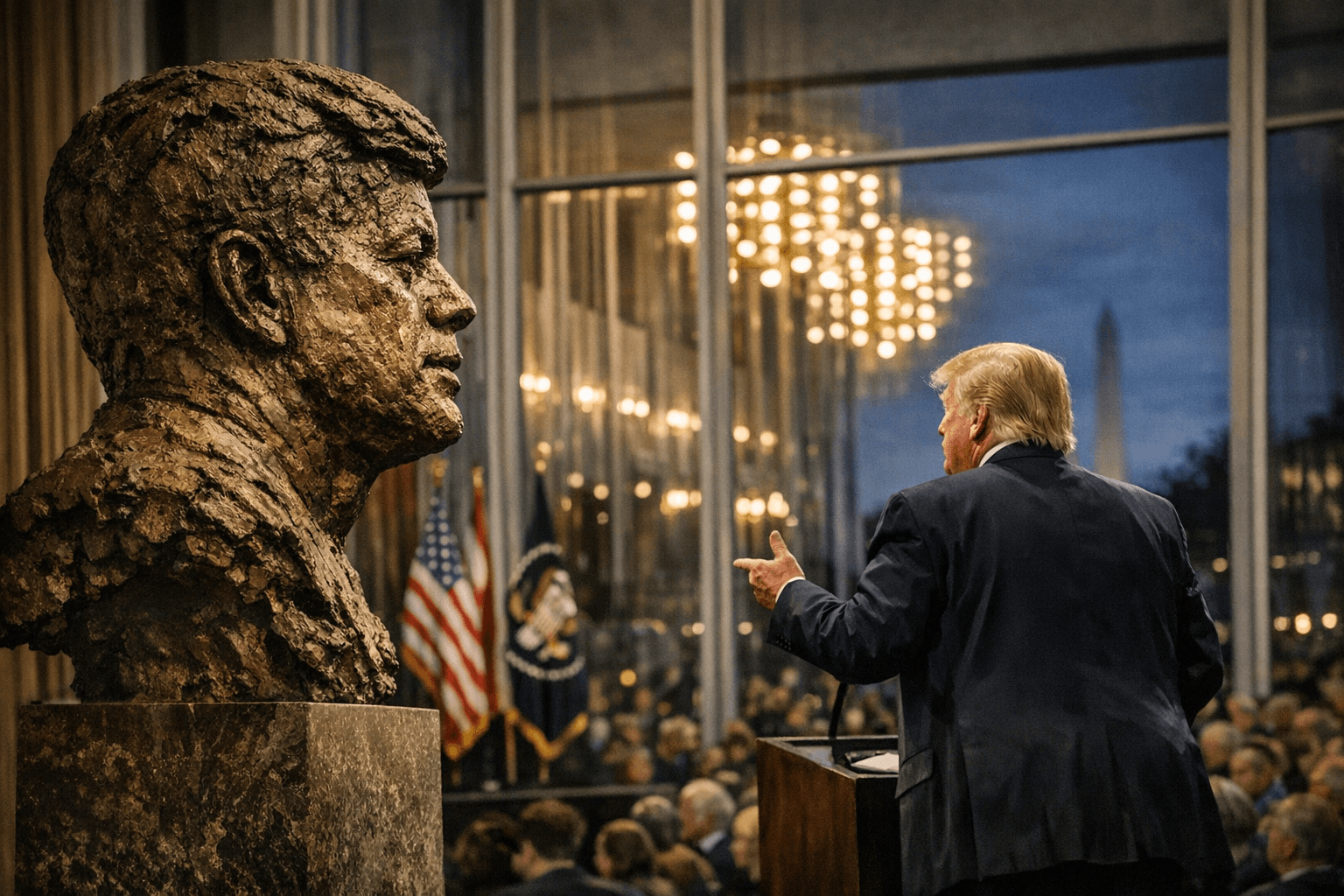
Josef Palermo’s account of life inside the Kennedy Center argues that Donald Trump’s takeover was never just about symbolism. It was about power, and the financial strain now visible at the institution suggests the fight over ideology is colliding with hard balance-sheet realities.
Palermo, whom The Atlantic identifies as the Kennedy Center’s first curator of visual arts, published his essay, What I Saw Inside the Kennedy Center, on April 16, 2026. In it, he described what he saw over 10 months as Trump tightened his grip after returning to office in January 2025, ousting the center’s previous leadership, installing a handpicked board that named him chairman, and later adding his name to the building’s facade. The center also shifted toward more Trump-friendly programming, including the premiere of first lady Melania Trump’s documentary Melania.
The political shake-up quickly spilled into the artistic ranks. Prominent performers including Renee Fleming and Ben Folds resigned from Kennedy Center positions, while Rhiannon Giddens canceled performances. PBS NewsHour and the Associated Press also reported cancellations by Chuck Redd, The Cookers, Kristy Lee, and Doug Varone and Dancers. Richard Grenell, whom Trump brought in as president of the Kennedy Center, threatened a $1 million lawsuit after one cancellation, underscoring how sharply the new leadership viewed pushback from artists.
That turmoil has now reached the institution’s operating model. In March 2026, the Kennedy Center board voted to shut down operations for two years beginning after the July 4 celebrations. Trump said the closure was needed for repairs, but critics argue it is also a response to plunging sales and the exodus of artists. A coalition of cultural and historic preservation groups filed suit on March 23, 2026, to block major physical changes to the Kennedy Center, while not disputing routine maintenance and repairs.
The financial pressure is real. The Washington Post reported that subscription revenue is down $1.6 million year over year, a sharp decline for an institution whose budget materials say ticket revenue and donations together account for about 80% of annual operating income. That dependence makes every canceled show, every resigned artist and every wavering donor more consequential.
Trump’s allies have framed the shutdown as a repair plan. Palermo’s account, and the numbers now emerging around subscriptions and cancellations, suggest a different picture: political control may already be producing measurable operational decline at one of Washington’s most visible cultural institutions.
This article was produced by Prism’s automated news system from verified source data, official records, and press releases, then run through automated quality and moderation checks before publishing. The system is built and supervised by the people who set the standards it runs under. Read our full AI policy.
Did this article answer your question?