Former deputy warns Labour faces last chance after election losses
Angela Rayner said Labour has a "last chance" after crushing election losses, as Reform UK swept past 1,400 councillors and Starmer faced fresh leadership pressure.
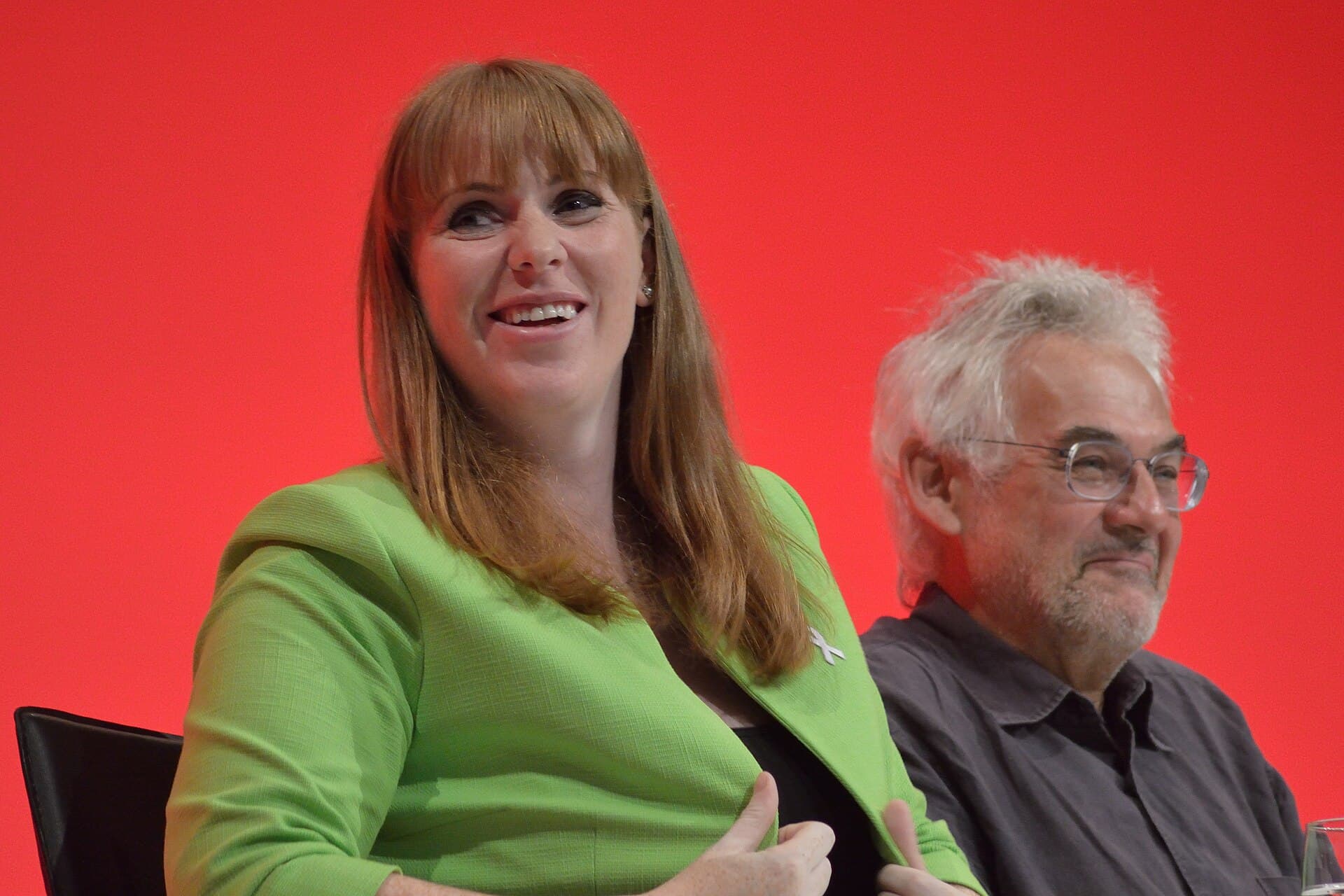
Angela Rayner’s warning that Labour faces its “last chance” after crushing election losses has sharpened the sense that Keir Starmer’s government is confronting a legitimacy crisis, not a routine setback. The former deputy prime minister’s intervention landed after the party’s poor showing in the local and devolved elections on Thursday, 7 May 2026, a vote that covered 5,066 English councillors across 136 local authorities and six directly elected mayors.
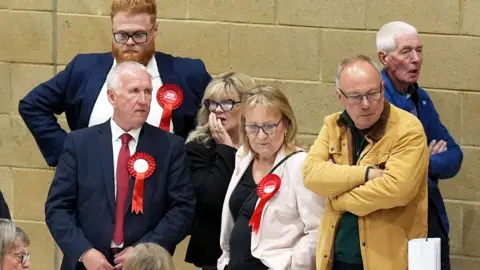
The results were brutal for Labour. The party lost hundreds of council seats, control of 35 councils, and ground in places that had once helped build its local base, including Hartlepool, Chorley, Wigan, Redditch and Tamworth. Reform UK surged past 1,400 councillors and took control of 14 councils, turning the vote into a measure of Labour’s eroding coalition as much as a protest against the Conservatives.
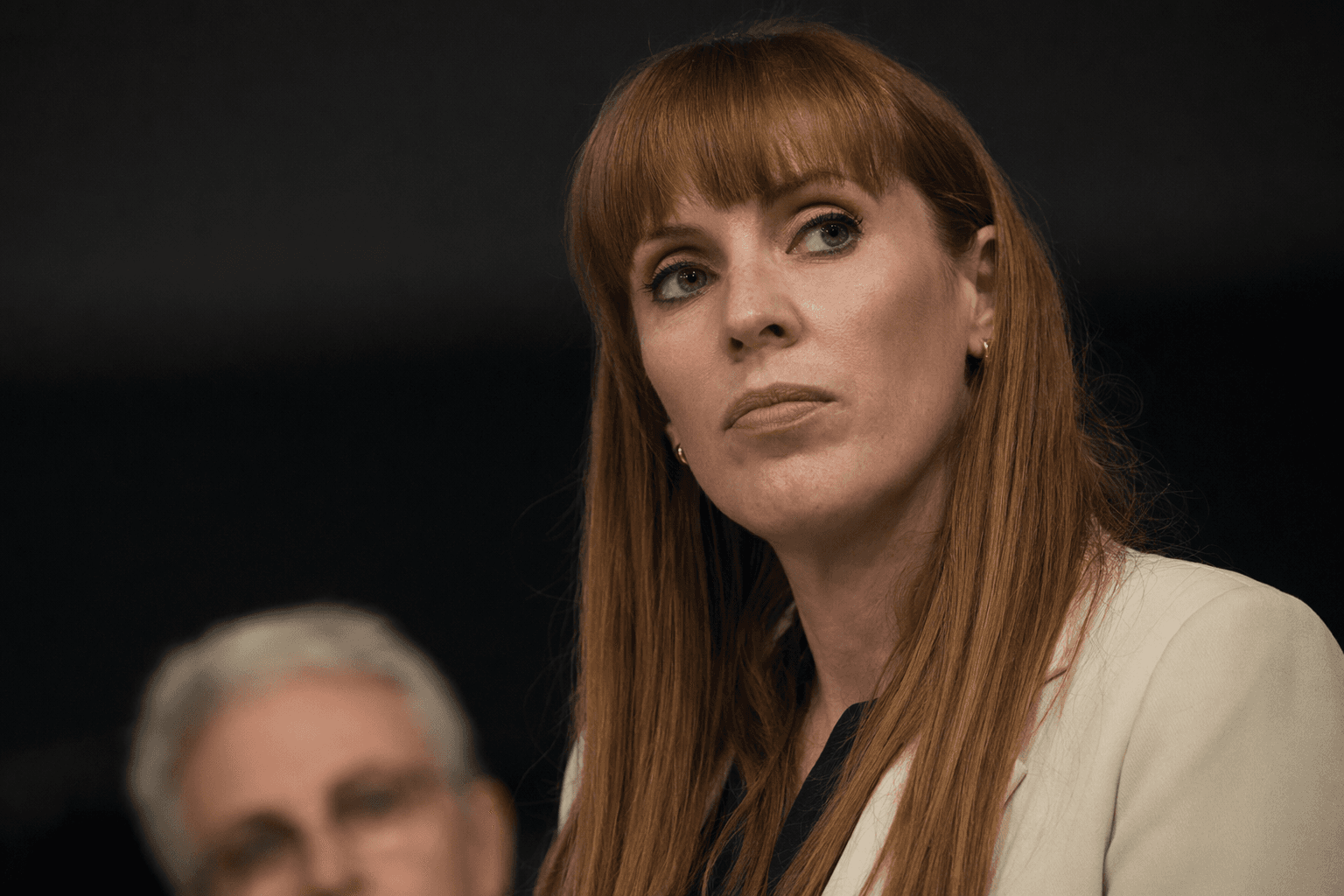
Rayner’s latest warning followed an earlier one in March, when she said Labour was “running out of time” and accused the party of sounding like “the establishment, not working people.” After the election losses, she said it was a mistake to block Andy Burnham’s return as an MP and urged Labour to meet the moment with the kind of change voters are demanding. Her criticism matters because it comes from one of the party’s best-known figures and from someone once at the heart of Starmer’s leadership team.
The pressure on Starmer has only intensified. He has faced a growing number of his own lawmakers calling on him to quit, but he said he would not walk away and vowed to stay in office to “deliver change.” Instead of retreating, he moved quickly to bring back Labour veterans Gordon Brown and Harriet Harman in government-adjacent roles, with Brown named special envoy on global finance and Harman brought in as an adviser on women and girls. Starmer called the decision “future-looking.”
The political stakes are now national, not just local. Labour’s losses were its worst as a governing party in municipal polls since 1995, and the scale of the punishment has raised a harder question than who leads the party next: whether the coalition that delivered Labour’s landslide in 2024 is already breaking apart. If Starmer cannot reset the party’s message and show a clearer policy direction, the defeats in May may harden into something more dangerous, a broader rejection of Labour’s claim to govern.
This article was produced by Prism’s automated news system from verified source data, official records, and press releases, then run through automated quality and moderation checks before publishing. The system is built and supervised by the people who set the standards it runs under. Read our full AI policy.
Did this article answer your question?

