Former funeral home converted into six downtown rental apartments
A Pelican Rapids funeral home was renovated into six rental units, adding housing stock and preserving a local building. This bolsters rental options as Otter Tail County seeks more homes.
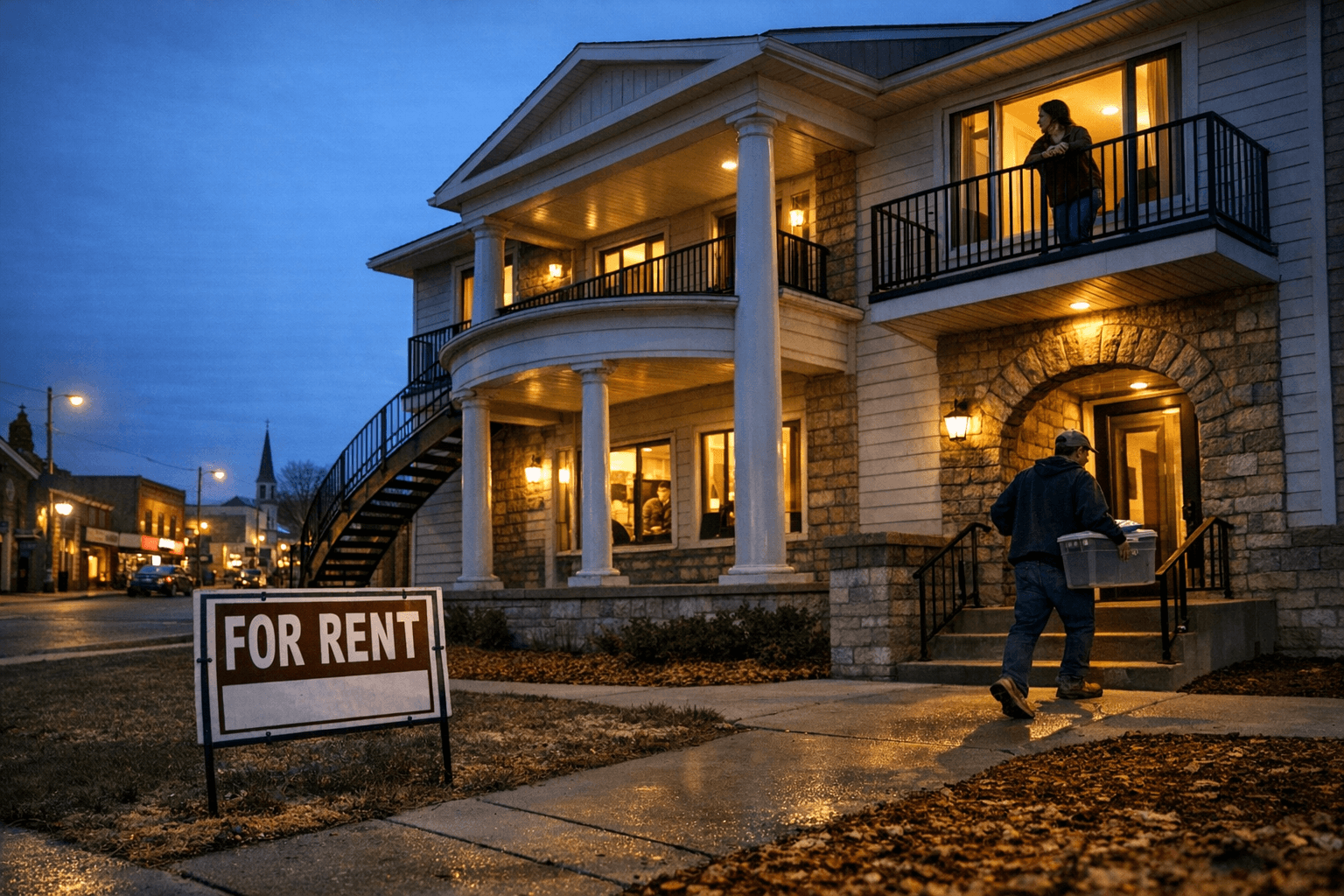
The former Larson Funeral Home in Pelican Rapids has been renovated and reopened as a six-unit rental complex called Six at 304, with owner and developer Joe Clauson converting the structure into modern apartments. The project brought six new rental units to the local market and repurposed a familiar downtown property, contributing directly to efforts to expand housing supply in Otter Tail County.
Adaptive reuse of the funeral home turned a single-purpose property into small-scale multi-family housing without new greenfield development. That approach preserved existing building stock while creating rental capacity that may serve workers, seniors and small households who compete for limited units in town. For a community the size of Pelican Rapids, even a half-dozen apartments can ease immediate pressure on vacancy rates and give employers more options when recruiting labor.
The conversion illustrates a practical path for local developers and officials seeking incremental additions to the housing inventory. Converting an existing structure typically reduces infrastructure demands and can shorten timelines when compared with ground-up construction, though it also requires careful attention to code upgrades and accessibility. As local leaders push to expand housing supply, projects like Six at 304 show how private investment can incrementally add units while keeping downtown density intact.
Market implications are modest but meaningful. Adding six rentals will not shift countywide trends on its own, but such projects can stabilise rents in tight neighborhoods by increasing turnover and choices for renters. They also preserve the tax base of legacy properties as they shift from declining commercial or institutional use into active residential use, which helps municipal finances without expanding the town footprint.

For Pelican Rapids residents, the conversion has neighborhood-level impacts: the building now generates residential traffic rather than occasional funeral-related activity, and new tenants contribute to local businesses and services. For prospective renters, the renovated units expand options within town limits, potentially reducing commutes for people working in Pelican Rapids or nearby towns.
The broader takeaway for Otter Tail County is that small, targeted redevelopment projects can be a practical complement to larger housing initiatives. City planners and county officials may want to consider policies that lower barriers to adaptive reuse, such as clearer permitting checklists or targeted incentives, to encourage more conversions that preserve community character while adding supply.
The takeaway? Keep an eye on new listings, support sensible local policies that make adaptive reuse easier, and consider how modest projects like Six at 304 can add up to real housing relief over time. Our two cents? Adaptive reuse is a low‑risk, community-friendly way to grow housing one building at a time.
Sources:
Know something we missed? Have a correction or additional information?
Submit a Tip