Former Navy SEAL trains for 2028 Paralympics after spinal injury
A Navy SEAL paralyzed in a 2011 parachuting accident is chasing a 2028 Paralympic berth in para canoe after reaching the world stage in 13 months.
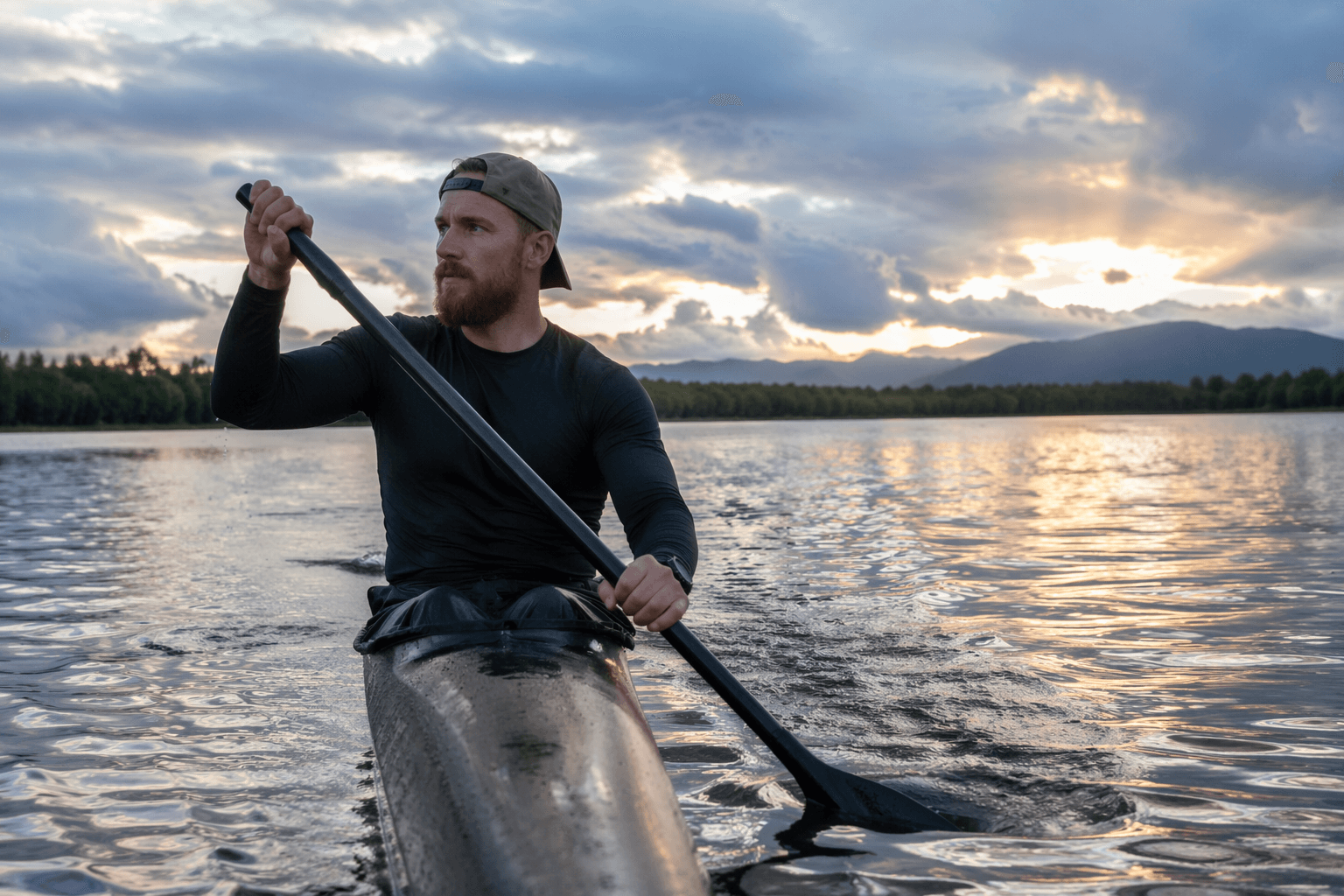
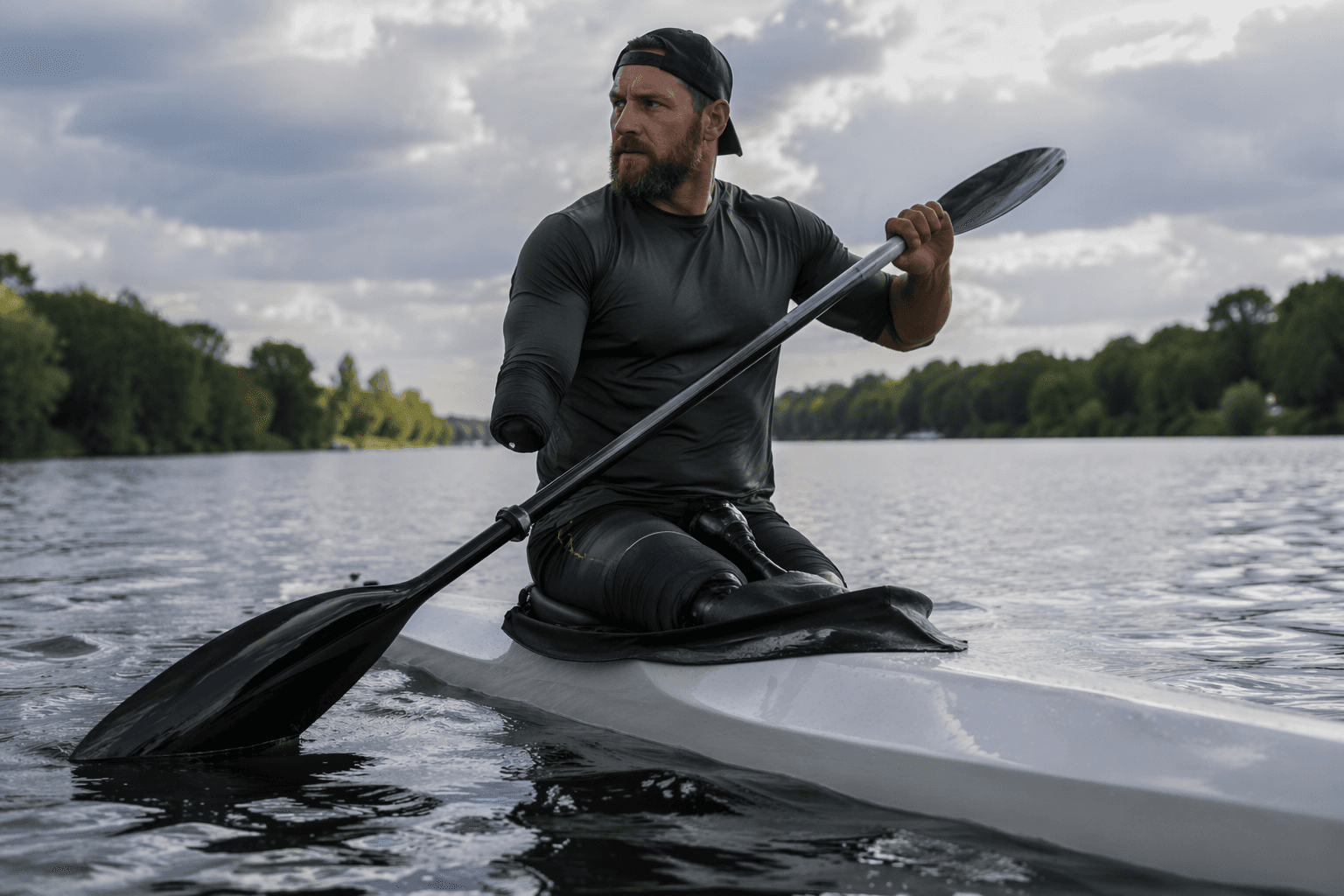
David Charbonnet is chasing another elite finish, this time from a kayak. The former member of SEAL Team 1, who was paralyzed from the waist down after a 2011 parachuting accident outside San Diego, is now training toward a place on the 2028 U.S. Paralympic Paracanoe Team in Los Angeles.
Charbonnet’s path has been defined by repeated reinvention. Born in San Diego and raised in a military family, he spent much of his childhood in The Woodlands, Texas before joining the Navy in January 2006 and graduating from training in 2010. He served with SEAL Team 1 until an October 2011 jump left him with an L1 burst fracture, a spinal cord injury and a cracked liver after a fall of about 80 feet. The injury ended his military career and changed the shape of his life, but it did not end the discipline that carried him through years of service.
After the accident, Charbonnet began rehabilitation at VIP NeuroRehabilitation, the organization he later led as president for nine years. He now supports the board and serves as chairman of the board for VIP NeuroRehabilitation. He lives in San Diego with his wife, Janet, and their children, Haylee, John Paul and Isaiah. Charbonnet has said that service helped him heal emotionally, and that his family and faith in God have driven him through the hardest stretches of recovery.
His latest competitive pivot has been fast. Charbonnet took up para kayaking in 2023 and, after just 13 months in the sport, qualified for the 2024 ICF Paracanoe World Championships in Szeged, Hungary. He raced in the 200-meter sprint kayak, a demanding event that leaves little room for wasted movement or strength. He did not earn a qualification slot there, but the result only sharpened his focus on the next cycle.
Now the work is aimed squarely at 2028. That means a training load built around lifting weights, kayak racing and the daily repetition required to turn raw power into speed on the water. It also means doing it while carrying the responsibilities of fatherhood, board service and life at home, where support from the Tunnel to Towers Foundation has eased financial pressure and helped adapt the house for accessibility needs.
For Charbonnet, the comeback is no longer only about recovery. It is about meeting the standards of an athlete trying to reach the Paralympics, four years after racing in Hungary and more than a decade after the fall that changed everything.
This article was produced by Prism’s automated news system from verified source data, official records, and press releases, then run through automated quality and moderation checks before publishing. The system is built and supervised by the people who set the standards it runs under. Read our full AI policy.
Know something we missed? Have a correction or additional information?
Submit a Tip