Former Nintendo leader urges companies to embrace worker organizing
Former Nintendo of America president urged companies to address employee unionization rather than resist it. It matters as union activity rises across the games industry and amid contractor disputes at Nintendo.
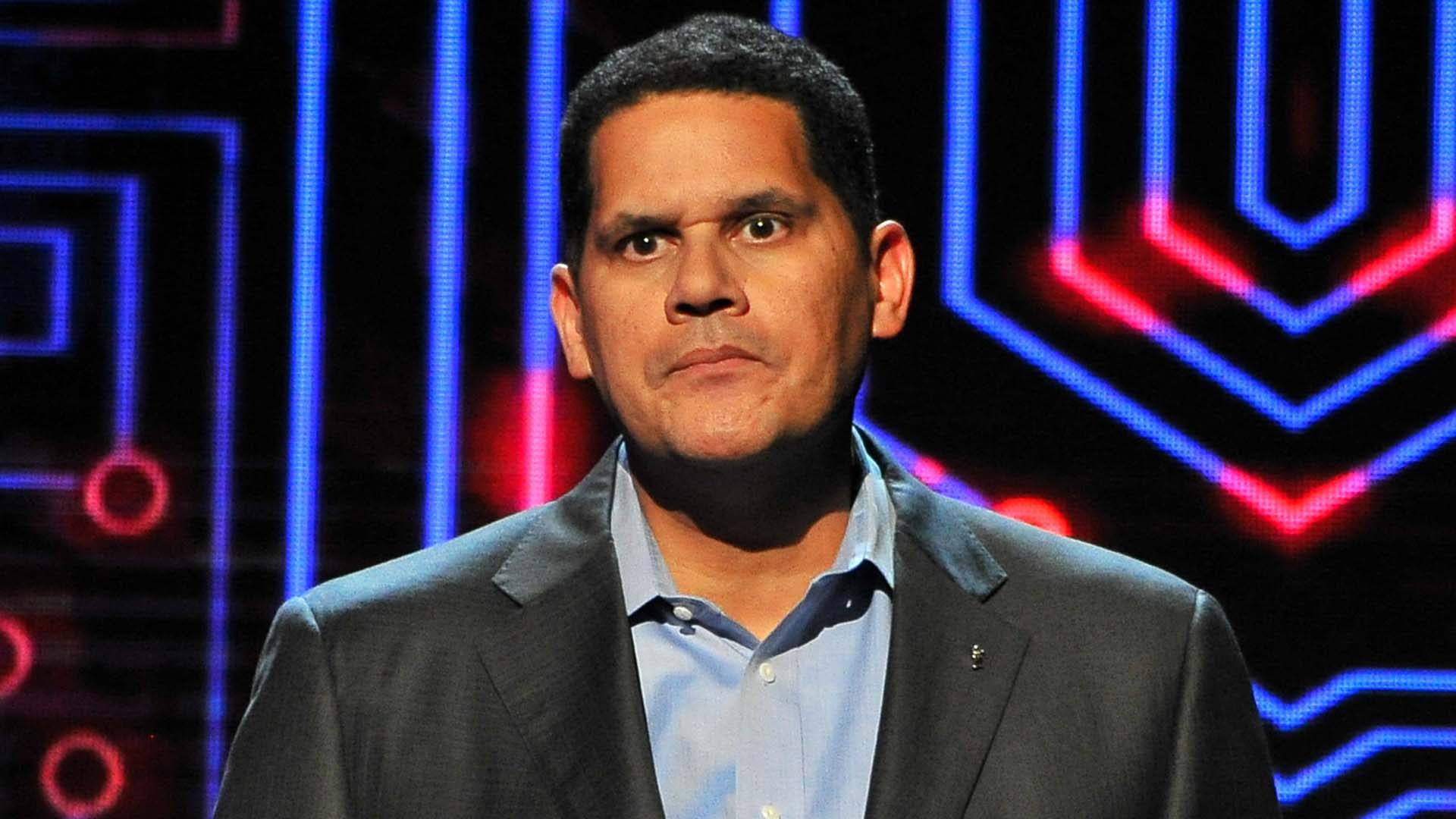
A senior former Nintendo executive has urged companies to treat employee unionization as a workplace issue to be managed rather than a political threat to be fought. The comments come as union drives and collective actions have spread through the games industry and as Nintendo faces complaints from contractors and testers that have intensified interest in organizing.
Industry attention has focused on persistent complaints that contract workers and testers at Nintendo operations have sometimes been treated as second-class employees, prompting National Labor Relations Board activity and scrutiny. That background has widened the pool of staff considering collective bargaining as a route to job security, pay parity and clearer paths from contract roles into full employment.
The former executive framed the question of unions as one of management practice: if employees want to organize, companies should address the underlying issues and adapt rather than resist reflexively. That approach echoes a growing view among some senior figures that labor relations require practical workplace responses - changes to pay, scheduling and contractor treatment - rather than solely legal or public-relations strategies.
The trend is not limited to Nintendo. Organizing and labor disputes in studios from larger publishers to smaller developers have put pressure on executives to clarify their stances. Senior industry leaders are increasingly being asked by workers, shareholders and peers to weigh in on organizing campaigns, and their responses can shape company culture and recruiting. For employers, the immediate decision is whether to engage in good-faith bargaining and policy change or to take adversarial positions that can prolong conflict and risk legal exposure.
For employees, the shift in tone among industry veterans signals that organizing may elicit constructive responses in some workplaces. Union drives often seek remedies that fall squarely within management control: consistent contracting practices, transparent promotion paths, standardized tester pay and predictable schedules. Where companies address those operational concerns, union momentum can change or slow; where companies do not, workers may find collective bargaining the most viable option.
Human resources and studio leaders should expect more requests for meetings, clearer demands around contractor status and heightened attention from regulators as disputes move from internal grievances to formal filings. The reputational stakes are also higher in a media-savvy sector where labor stories resonate with players and potential hires.
For Nintendo employees and managers, the takeaway is practical: treating organizing as a workplace management issue gives both sides a better shot at resolving root problems and leveling up people policies. What comes next will depend on whether companies choose engagement and policy fixes or adversarial tactics that could deepen labor tensions.
Sources:
Know something we missed? Have a correction or additional information?
Submit a Tip