Former Olympic canoe racer accused of damaging Reflecting Pool sealant
A former three-time U.S. Olympian is accused of pulling sealant from the Reflecting Pool as Trump’s $14.7 million renovation drew ridicule for peeling paint and green water.

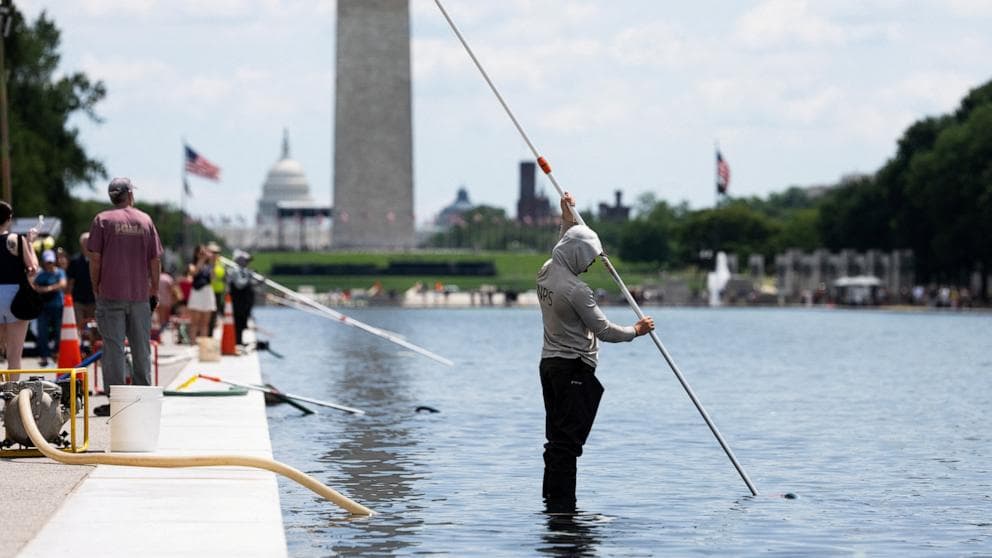
David Hearn is accused of ripping out a piece of sealant from the bottom of the Lincoln Memorial Reflecting Pool on June 19, a federal allegation that landed at the center of a larger fight over one of Washington’s most visible monuments. U.S. Attorney Jeanine Pirro said the case involves damage to federal property at a site that sits beside the Lincoln Memorial on the National Mall, where even small defects can become political flashpoints.
Hearn is not just any defendant. He is a former three-time U.S. Olympic canoe racer who competed in the 1992, 1996 and 2000 Summer Olympics, a profile that has added to the attention surrounding the case. Hearn said he reached into the pool after seeing a piece of the blue liner partially detached and denied that he destroyed or peeled anything. The accusation, however, centers on a specific piece of sealant at the bottom of the pool, not on broad damage to the monument.
The Reflecting Pool became newly politically charged after President Donald Trump ordered a renovation that cost about $14.7 million. The work was finished only days before reports that the new coating was already peeling and the water had turned green with algae, turning a flagship beautification project into a public embarrassment. Trump has blamed vandals for the pool’s condition, while critics and online commenters have mocked the rapid deterioration and the approach used to fix it.
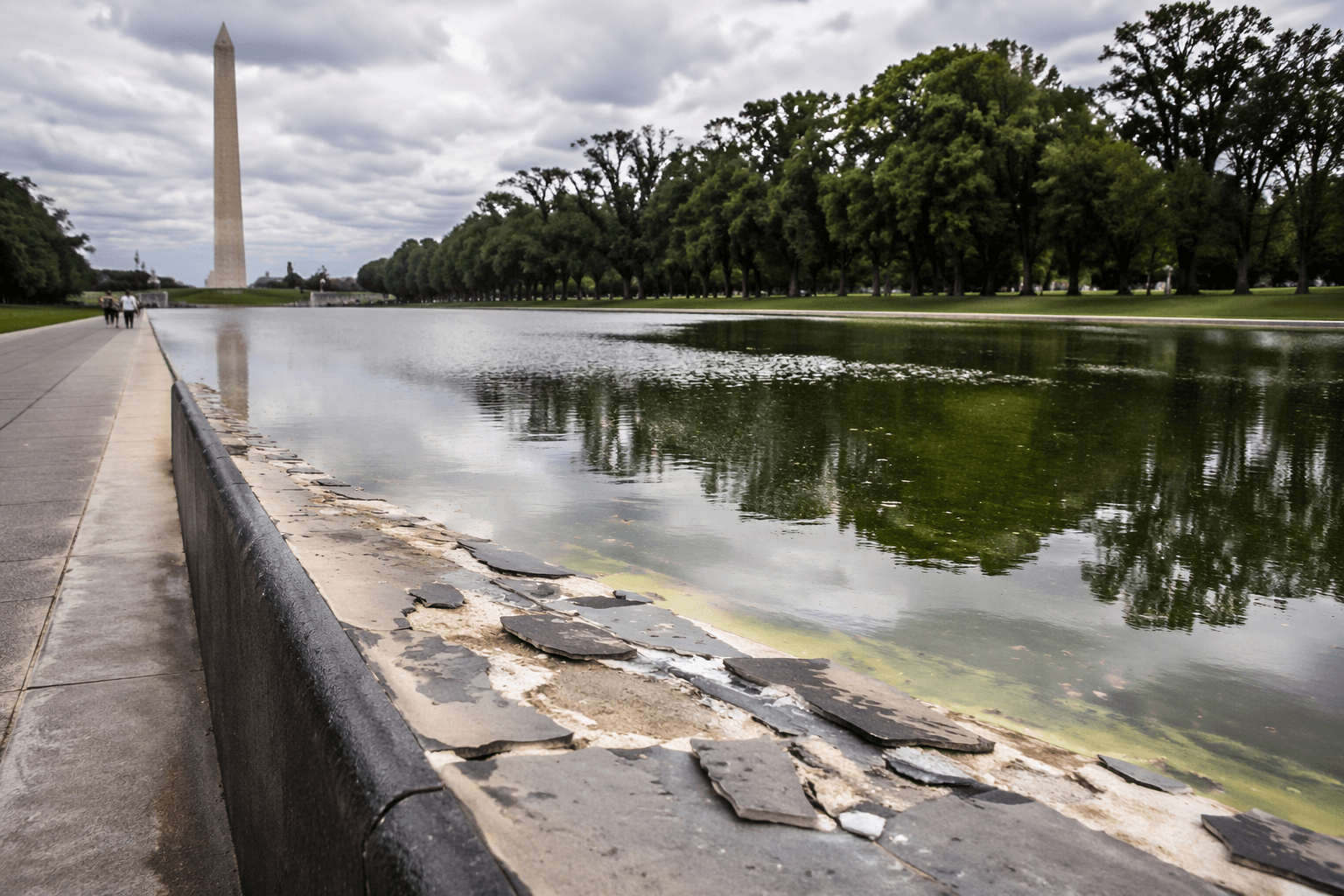
The National Park Service says the Lincoln Memorial Reflecting Pool has been undergoing, or has undergone, temporary closures for lining and repair work that includes cleaning the pool, repairing joints and installing lining material. Those repairs sit at the heart of the dispute over whether the pool’s problems stem from vandalism, construction quality or both.
The case also fits a familiar pattern in Washington, where federal vandalism cases at major monuments have previously led to destruction-of-federal-property charges in high-profile incidents. In that sense, Hearn’s celebrity and the pool’s ties to Trump’s renovation push have intensified public interest, but the charge itself remains a federal property case focused on alleged damage to a landmark that has become a symbol of broader political conflict.
This article was produced by Prism’s automated news system from verified source data, official records, and press releases, then run through automated quality and moderation checks before publishing. The system is built and supervised by the people who set the standards it runs under. Read our full AI policy.
Did this article answer your question?