Former world champ JKap blasts sports betting's influence on young men
Jordan "Jkap" Kaplan criticized the spread of sports betting and its impact on young men, reversing his prior support. This reignites debate over betting sponsorships, platform rules, and community safety.
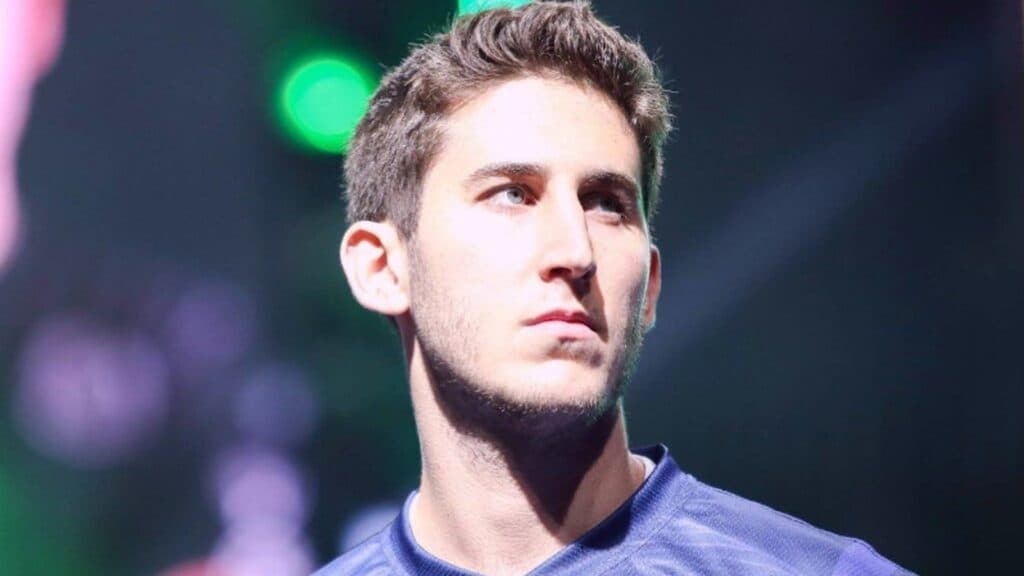
Two-time Call of Duty world champion Jordan "Jkap" Kaplan publicly criticized the proliferation of sports betting and its effects on young men, marking a notable shift from his previous support for legal wagering. Kaplan shared a post by commentator Dave Ramsey and said he now agrees with Ramsey’s harsh assessment of major operators, bringing a high-profile voice to an issue that touches players, creators, and teams across esports.
Kaplan’s comment landed amid broader scrutiny of gambling’s role in competitive gaming. Platform policies, most prominently Twitch’s anti-gambling stance, have already reshaped how streamers promote and interact with betting services. For creators who once leaned on betting promotions for quick sponsor revenue, the combination of platform rules and growing public concern is forcing a re-evaluation of acceptable content and partner choices.
The debate extends into team sponsorships and tournament marketing. Some publishers and leagues have allowed limited betting partnerships, and teams in various esports have taken on betting brands. Those deals can bring significant cash but also expose organizations to reputational risk and to questions about competitive integrity. Opponents point to data from the National Council on Problem Gambling highlighting rising concerns about problem gambling, especially among younger men who are a core demographic for Call of Duty viewership and online play.
There is, however, a counterargument within the industry: regulated, transparent betting ecosystems may reduce the influence of black markets and help detect match-fixing. That view has driven some publishers and teams to accept carefully controlled sponsorships rather than leave fans to unregulated alternatives. The result is a split approach across esports: stricter platform enforcement and community pressure on one side, and pragmatic sponsorship deals on the other.

For Call of Duty players, streamers, and fans, the practical implications are immediate. If you stream on platforms with gambling restrictions, review your contracts and content so you don’t run afoul of rules that can lead to suspensions or lost partnerships. Teams and content creators weighing betting sponsors need to balance short-term revenue against long-term brand trust, especially with a mostly young audience. Parents and community organizers should treat conversations about gambling like other safety topics—talk openly about risks and recognize when a player or viewer might need help.
Kaplan’s reversal has pushed this conversation into the mainstream of Call of Duty discourse. Expect more high-profile names to take positions, continued enforcement of platform rules, and evolving sponsorship models as the community decides how to protect younger players without pushing them toward risky black-market alternatives.
Sources:
Know something we missed? Have a correction or additional information?
Submit a Tip