Formestane Positives Leave Owners Facing 12-Month Bans, Lost Prizemoney
Owners face lost prizemoney and 12-month bans after Formestane positives, with one potential broodmare’s value slashed by $400,000 and at least 24 horses implicated.
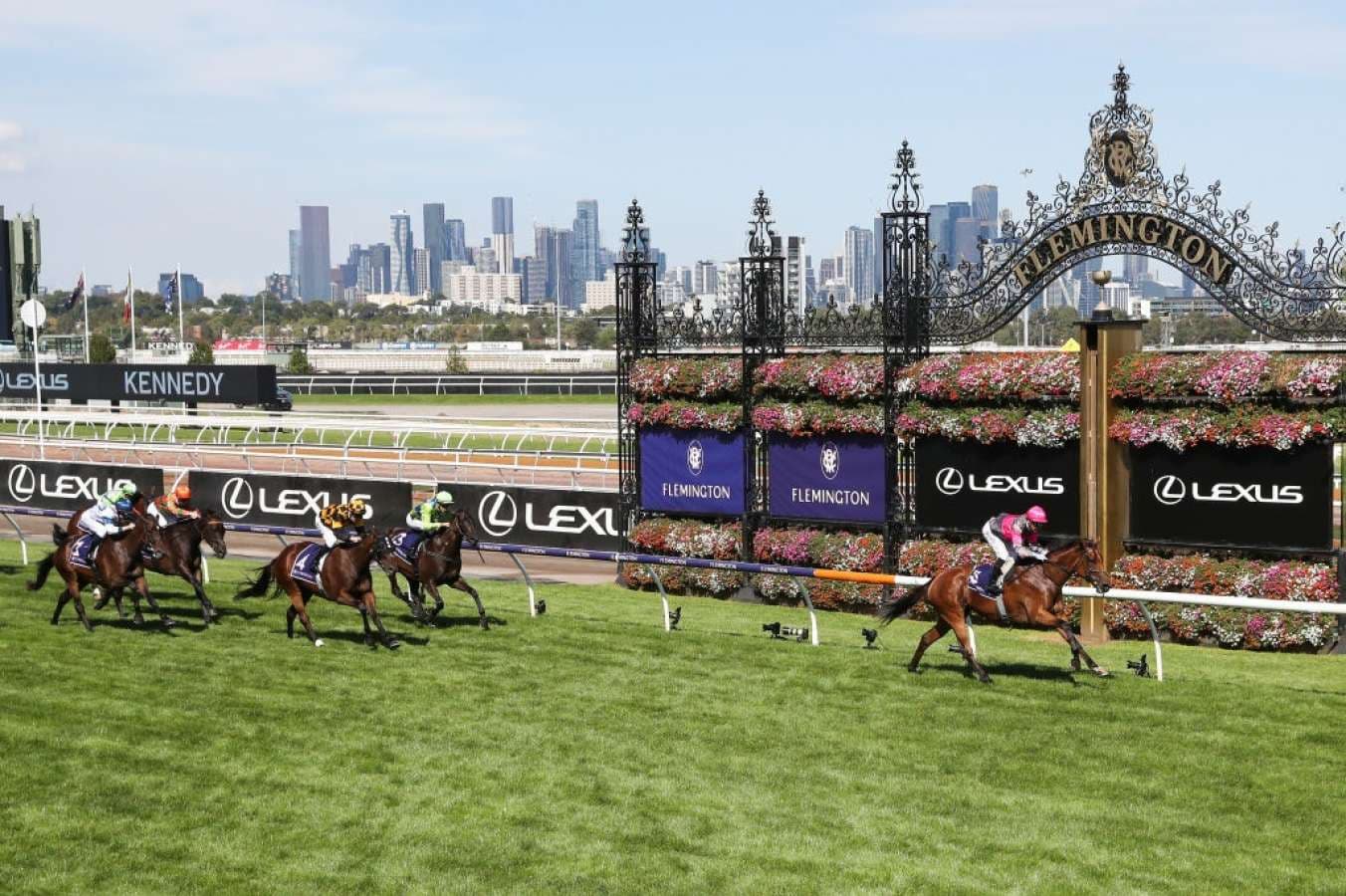
Owners of horses that returned post-race positives for the cancer drug Formestane and its metabolite 4-hydroxytestosterone now confront lost prizemoney, 12-month stand-downs and steep breeding-value losses, including one potential broodmare reportedly devalued by $400,000. Stakes winner Sirileo Miss is the highest-profile name swept up in the saga after a positive returned following her G3 Matron Stakes win at Flemington, with the mare then winning the G2 Sunline Stakes and finishing unplaced in the G1 Queen of the Turf before the test was confirmed.
The scope of detections has expanded beyond the initial cluster. The substances were first detected at Victoria’s RASL laboratory in February 2023, and at least 24 thoroughbred and standardbred horses in Victoria, South Australia and Tasmania have since returned post-race urine samples containing traces. An earlier cluster of five runners that returned traces between February and April 2023 included Alphaville (trained by Julius Sandhu), Circle Of Magic (Levi and Mark Kavanagh), Sirileo Miss (Symon Wilde), Yulara (Amy and Ash Yargi) and Lake Tai (Smiley Chan); all five were stood down for 12 months.
Regulatory consequences have moved into tribunal proceedings and heavy legal spending. The first five trainers charged by Racing Victoria have spent more than $100,000 on legal costs in a bid to fight the charges and clear their names, and those matters remain before the Victorian Racing Tribunal. Under the Australian Rules of Racing, thoroughbreds that test positive to anabolic steroids such as 4-hydroxytestoterone are banned from racing for 12 months from the positive swab, a rule that has left owners unable to campaign or sell affected stock while cases wind through the tribunal.
Trainers have uniformly denied administering the substances, and Racing Victoria has been unable to determine the source, leaving owners and trainers publicly baffled. "All trainers have denied administering the substances and Racing Victoria has not been able to determine the source, with the process leaving owners in the dark about the status of their horses," summarizes the position now confronting connections. Racing Victoria has, in turn, been reported to have "admitted any substances detected were not deliberately administered," a formulation that underscores the investigation’s evidentiary gaps.
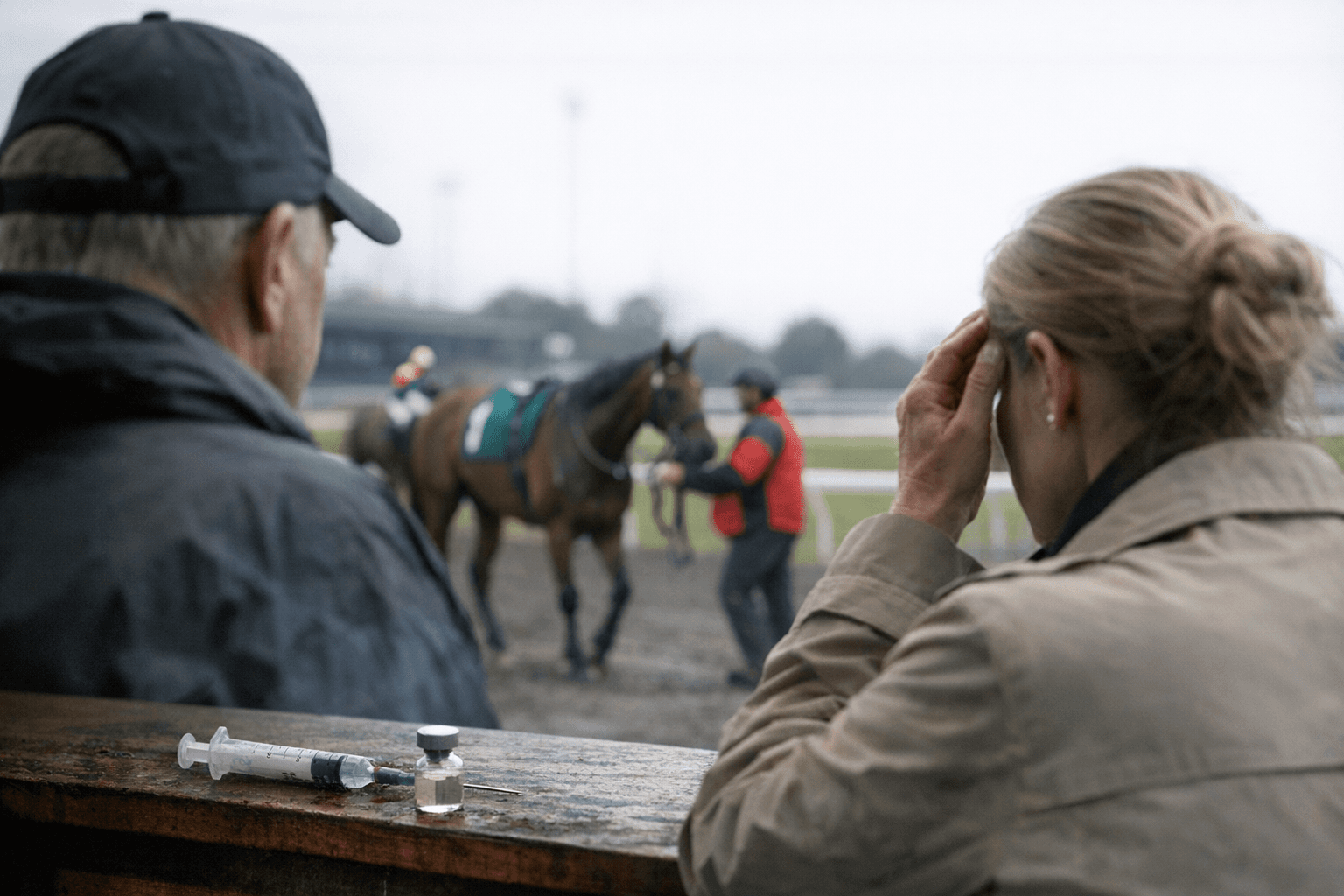
Contamination theories have been advanced by connections as they prepare defences. Smiley Chan suggested a possible link to mice bait he purchased from a hardware retailer to spread around his stables after his horse Lake Tai tested positive, and statements from the Kavanagh and Yargi stables to Racing Victoria pointed toward contamination as the source of their positives. The drug itself is used to treat breast cancer in humans and is banned by WADA because it increases the production of hormones and testosterone in the body, which is why trace detections on race day carry immediate and severe sporting penalties.
The immediate fallout is financial and reputational for owners who have seen prizemoney withheld, breeding valuations collapse and the careers of affected runners interrupted for at least 12 months. With RASL detections dating back to February 2023 and tribunal hearings ongoing, owners and trainers face a long road to resolution while the racing industry confronts questions about contamination vectors, lab procedures and how to protect low-level positives from destroying livelihoods.
Know something we missed? Have a correction or additional information?
Submit a Tip