Formula 1 agrees 2027 engine tweak after criticism of new power units
Formula 1 is moving to soften its new engine formula before it even debuts, with a 2027 tweak aimed at less energy-starved racing and a more natural 60/40 power split.
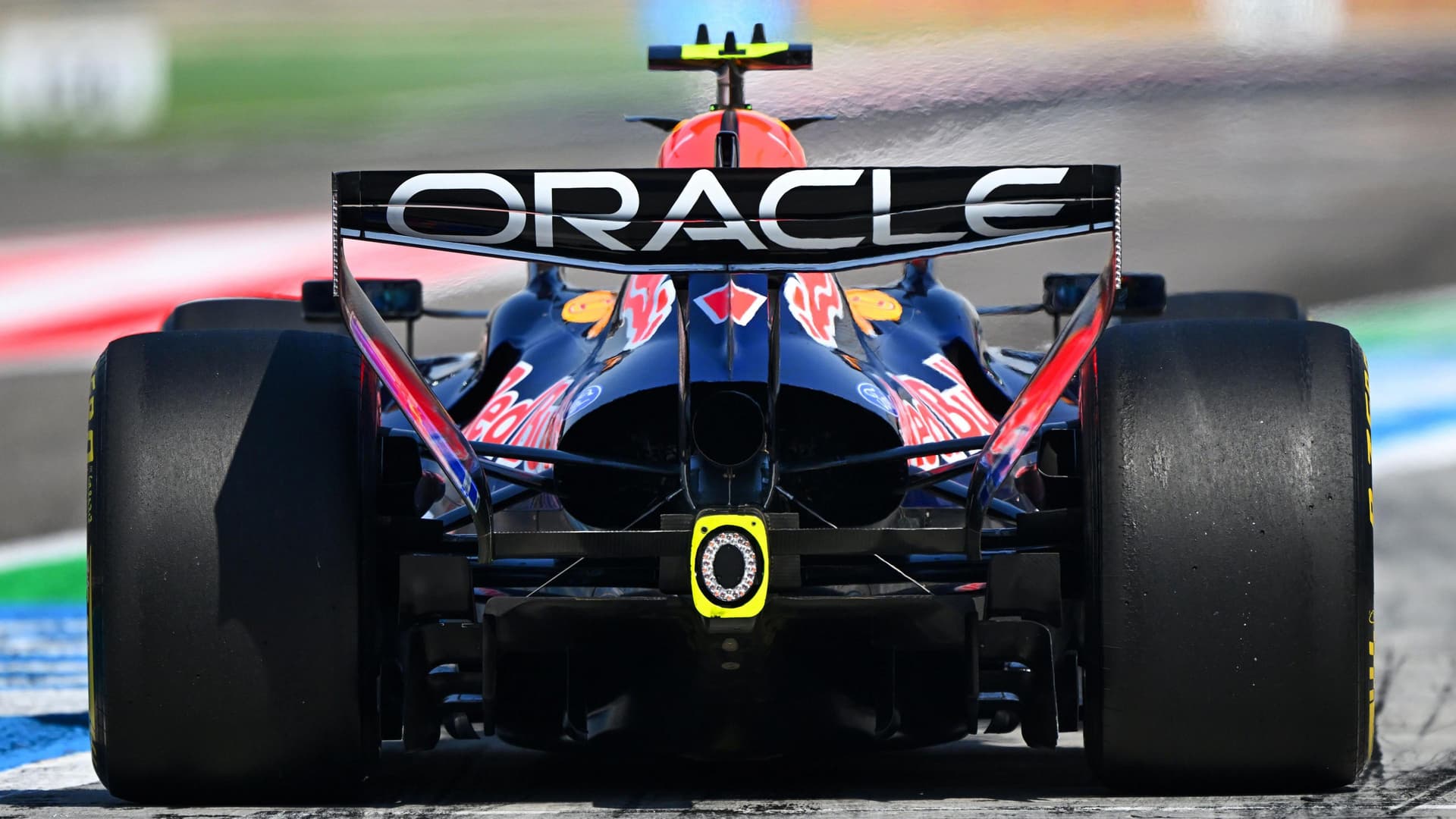
Formula 1’s new engine era is already being adjusted, with the FIA agreeing in principle to a 2027 redesign that would give the internal combustion engine more output and trim the electric side after criticism that the new power units risked making cars too dependent on energy management.
The proposal discussed on 8 May 2026 would raise ICE power by about 50kW, increase fuel flow and reduce ERS deployment power by about 50kW. The aim is to move away from the notional 50/50 split between combustion and electric power toward something closer to 60/40, a change intended to make the cars less energy-starved and more intuitive for drivers. The FIA said the talks involved team principals, Formula 1 Management and representatives of the sport’s five power unit manufacturers.
That consensus comes before the 2026 regulations have even fully settled in. The current rules are the biggest overhaul of Formula 1 engines since the hybrid era began in 2014, and Formula 1 said in January that five manufacturers would be in the new cycle: Mercedes, Ferrari, Red Bull Ford, Honda and Audi. The 2026 package was designed to make the cars more road relevant and to work with sustainable fuels, but it has already prompted scrutiny and intervention.
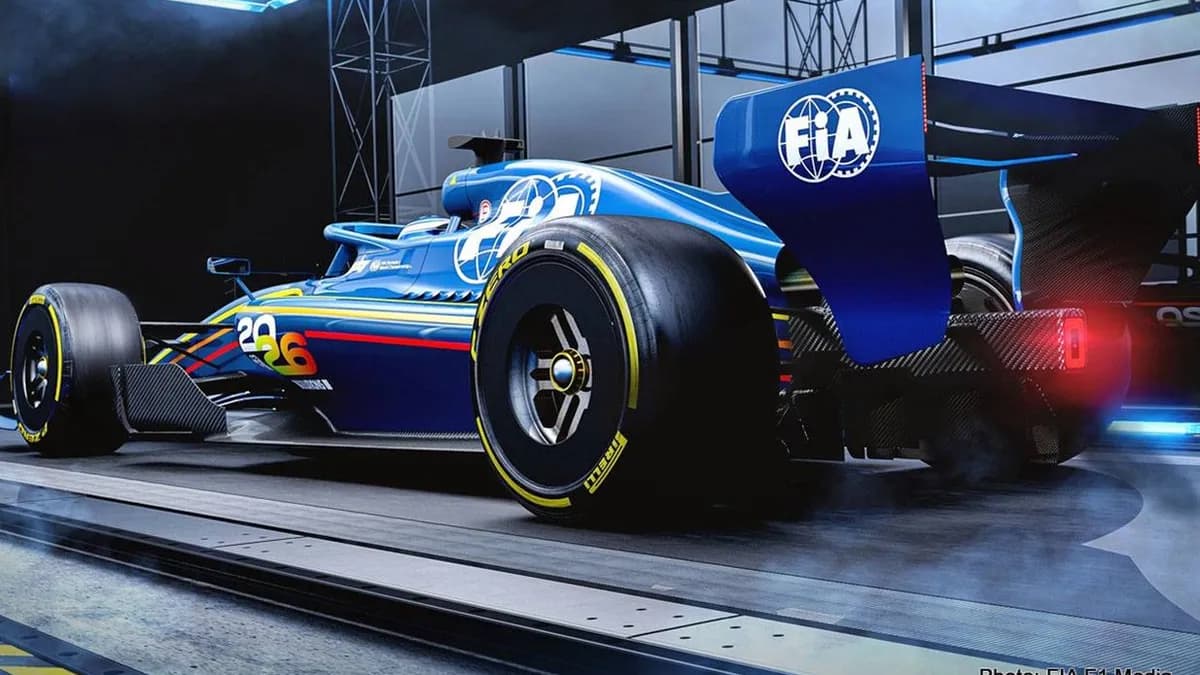
The FIA introduced a new engine test effective from 1 June after concerns raised during pre-season testing in Barcelona and Bahrain about possible loopholes in compression-ratio measurements. It also followed the first round of 2026 rule changes introduced at the Miami Grand Prix, which the FIA said improved safety, reduced excessive harvesting and produced better competition. Further adjustments are still being considered, including start-safety revisions, wet-weather measures and possible improvements to visual-signalling for Canada.
The speed of the rethink suggests Formula 1 is trying to protect the racing product as much as the engineering programme. The move appears driven less by cost control than by a desire to preserve competition and entertainment value, while avoiding a formula that leaves drivers short of usable power. With more technical discussion still needed before any final package goes to a World Motor Sport Council e-vote, the sport is already admitting that its next generation of engines may need a gentler balance than first imagined.
This article was produced by Prism’s automated news system from verified source data, official records, and press releases, then run through automated quality and moderation checks before publishing. The system is built and supervised by the people who set the standards it runs under. Read our full AI policy.
Did this article answer your question?
.jpg&w=1920&q=75)