Fortem Wins Multimillion-Dollar Contract to Protect U.S. 2026 World Cup Venues
Fortem wins a multimillion-dollar DHS order to protect U.S. 2026 World Cup venues with net-equipped DroneHunter interceptors, adding a visible layer of airspace defense for fans.
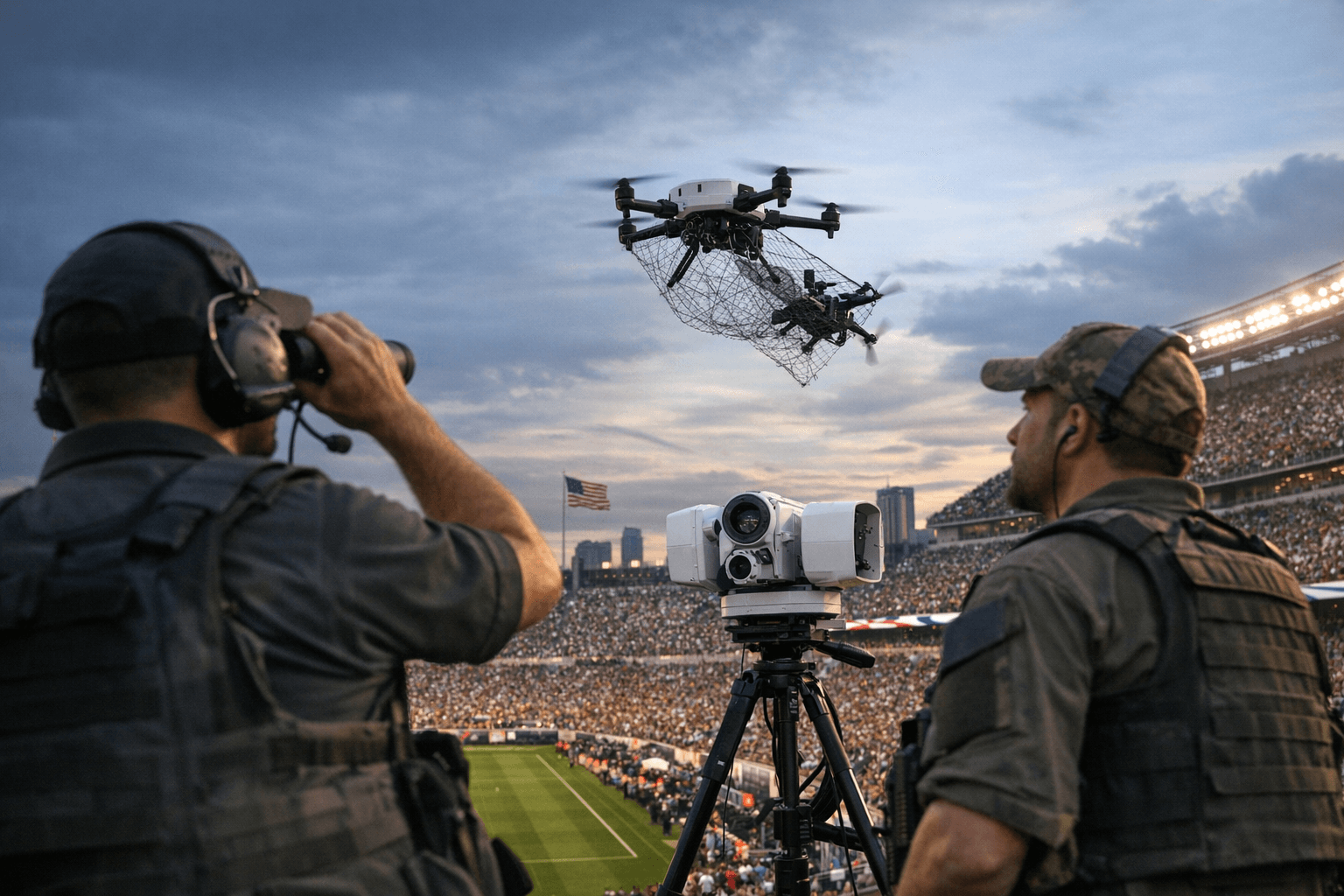
Fortem Technologies has secured a multimillion-dollar Department of Homeland Security order to deploy its counter-drone systems at U.S. venues for the 2026 FIFA World Cup, positioning net-equipped interceptors and radar and command software around some of the tournament’s busiest sites. The procurement marks a high-profile federal bet on capture-based mitigation as organizers prepare for a record-setting soccer showcase.
LINDON, Utah, Feb. 12, 2026. The order, announced today, includes Fortem’s DroneHunter® hexcopter interceptors, TrueView™ R30 ground-based radar units for detection and tracking, and SkyDome® command-and-control software for autonomous threat response. Fortem says the DroneHunter launches a tethered net to physically snag a rogue drone and carry it away, a design the company frames as safer for packed stadiums than radio-frequency jamming or projectile-based systems.
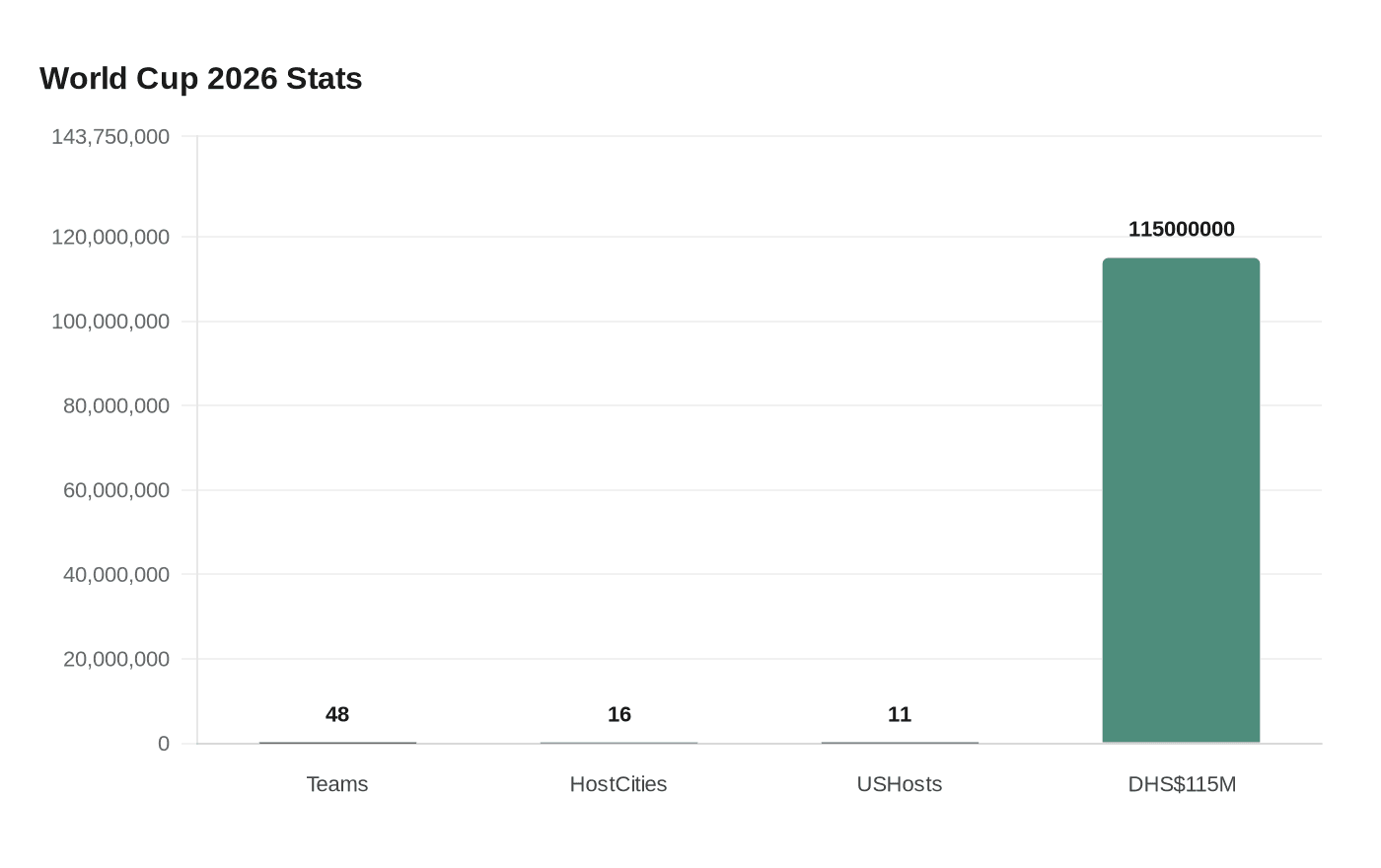
The 2026 World Cup will feature 48 teams across 16 host cities, with 11 U.S. host cities staging matches in June and July and more than one million international visitors expected. Department of Homeland Security planning calls the security footprint one of the most complex ever mounted for a sporting event, and the Fortem order is part of a broader DHS counter-UAS investment that included the January announcement creating a Program Executive Office for Unmanned Aircraft Systems and Counter-UAS and $115 million in funding.
Fortem’s selection continues its World Cup track record: the company deployed in 2022 in Qatar and was identified again as the only kinetic counter-UAS solution named in the DHS procurement for 2026. The systems are described as capable of rapid deployment and repositioning to follow matches and protect venues as the tournament moves across host cities.
From a technology and operations perspective, the purchase highlights current industry trends toward integrated sensor-to-interceptor architectures. The combination of TrueView R30 radar for persistent detection, SkyDome C2 for autonomous coordination, and net-equipped DroneHunter interceptors reflects a preference for capture techniques in environments where falling debris or RF disruption could endanger crowds or critical communications. Federal planners have signaled an early, proactive approach to the fast-growing small-drone threat facing mass events.
Not all details are public. The announcement lists product families and calls the contract multimillion-dollar but does not disclose unit counts, delivery timelines, or which U.S. stadiums will be covered. The identity of the specific DHS contracting office and operational rules of engagement for intercepts were also not released.
For fans and venue operators, the immediate takeaway is a tangible increase in layered airspace defenses ahead of a tournament that will test logistics and public-safety systems at Olympic scale. Expect further announcements on deployments and operational coordination as June approaches, and anticipate scrutiny from local authorities and privacy stakeholders as cities integrate capture-capable counter-UAS into stadium security plans.
Know something we missed? Have a correction or additional information?
Submit a Tip