Four Men Charged in 1982 Roxanne Sharp Rape, Murder Case
A podcast and DNA testing revived Roxanne Sharp’s 44-year-old cold case, leading to four arrests in a 1982 rape and murder.

Four men were arrested and charged in the killing of Roxanne Sharp, the 16-year-old whose 1982 rape and murder had gone unsolved for more than four decades until fresh DNA work and a true-crime podcast brought the case back into focus. Investigators said the renewed attention produced new leads and witness cooperation, turning a long-stalled file into active criminal charges.
Sharp’s body was found on Feb. 12, 1982, dumped near the St. Tammany Parish Fairgrounds in Covington, Louisiana, about 30 miles north of New Orleans. She had been raped and strangled. With little physical evidence and few witnesses willing to come forward, the case stayed cold for 43 years.
The break came after Louisiana State Police reopened the investigation in 2023, reinterviewing witnesses and potential suspects, reviewing the case file in detail and resubmitting original evidence for DNA analysis. Two years later, detectives teamed with local radio host Charles Dowdy to produce the podcast “Who Killed Roxanne?”, which investigators said surfaced information they had not previously seen and prompted additional cooperation. The sequence mattered: media attention widened the circle of people talking, while the renewed forensic review gave detectives a path to test old evidence against new leads.
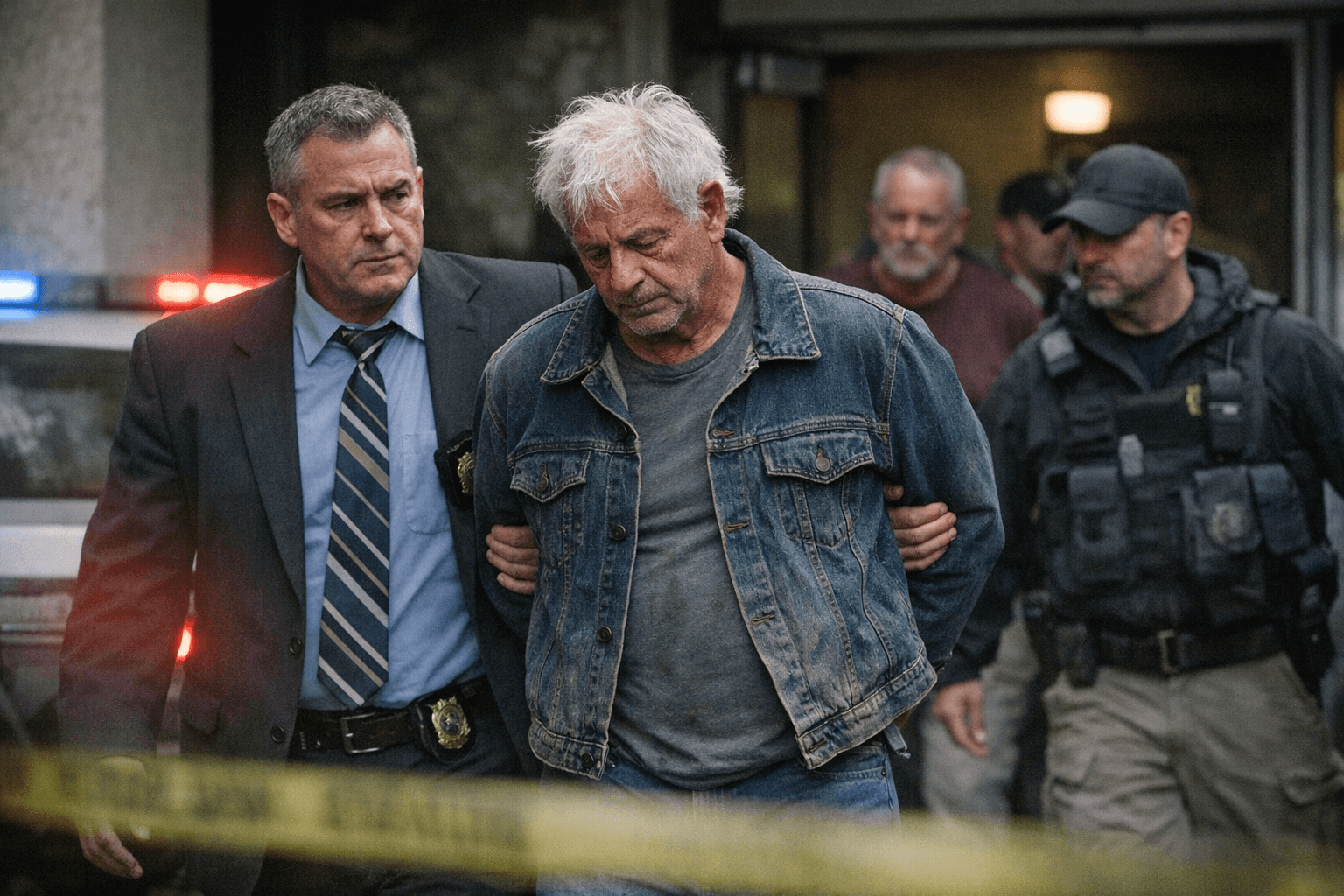
The arrests followed on April 21 and April 22. Billy Williams Jr., 62, was taken into custody in Covington, while Darrell Dean Spell, 64, was arrested at his home in Dayton, Ohio and was awaiting extradition to Louisiana. Perry Wayne Taylor, 64, and Carlos Cooper, 64, both of Covington, were already incarcerated by the Louisiana Department of Corrections on unrelated charges when detectives made contact with them. All four men were charged with aggravated rape and second-degree murder. The case now stands as a clear example of how podcasts can amplify cold cases, but arrests still depend on investigators turning public attention into usable evidence.
This article was produced by Prism’s automated news system from verified source data, official records, and press releases, then run through automated quality and moderation checks before publishing. The system is built and supervised by the people who set the standards it runs under. Read our full AI policy.
Did this article answer your question?