Fourth Corners Wildfire Academy Announces Expanded Two-Week 2026 Training in Durango, Ignacio
Fourth Corners Wildfire Academy expanded into a two-week, free or low-cost 2026 run, scheduled March 2–12 with sessions named for Durango and Ignacio while federal partners stage large aviation training elements.
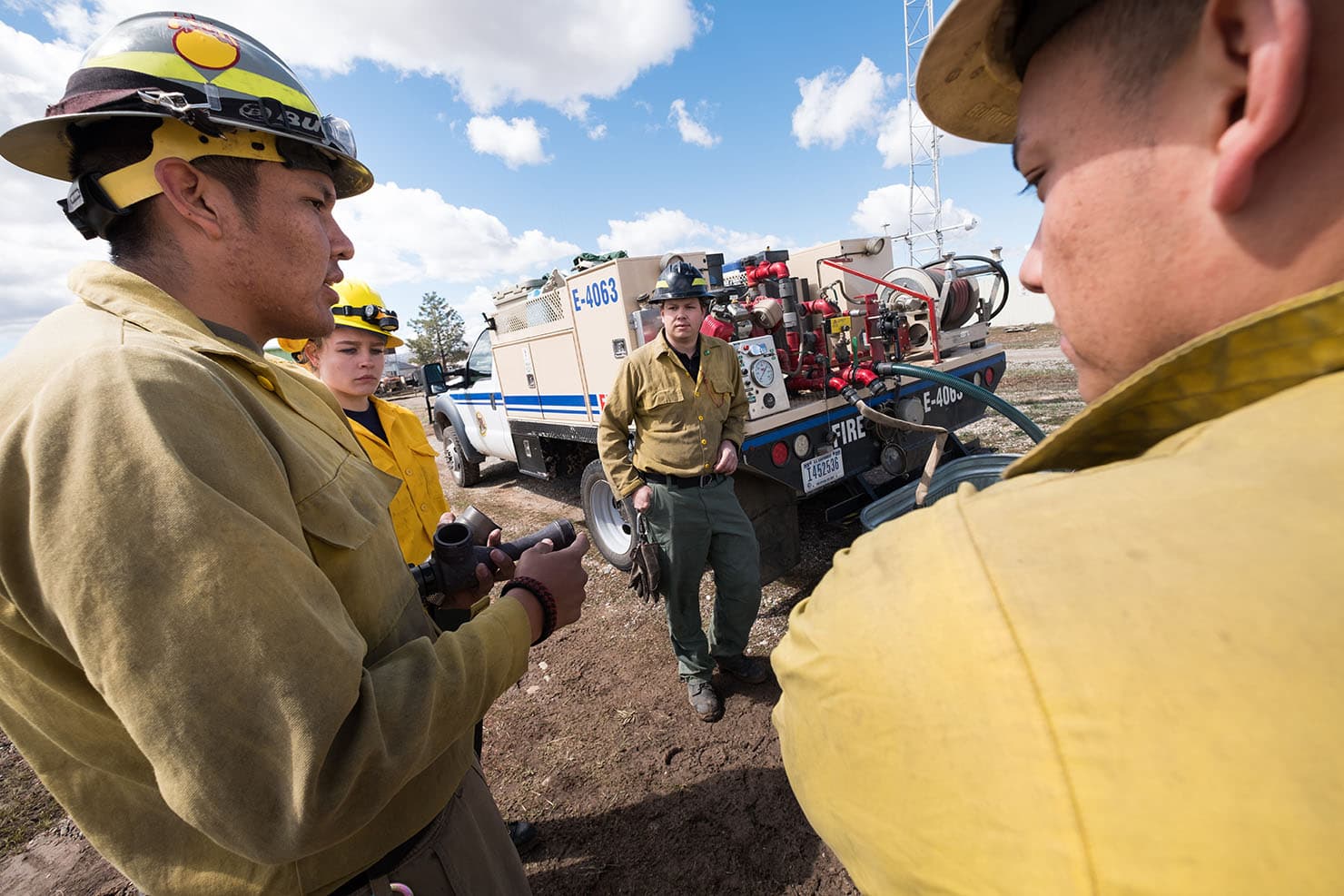
The Four Corners Wildfire Academy has expanded into a two-week 2026 training run offering a broad set of free or low-cost classes for local fire and emergency personnel, scheduled March 2–12, 2026 and announced with locations in Durango and Ignacio. The academy is a multi-agency wildfire training event that, per the Original Report, began in 2018 and this year presents an expanded in-person slate across the two-week window.
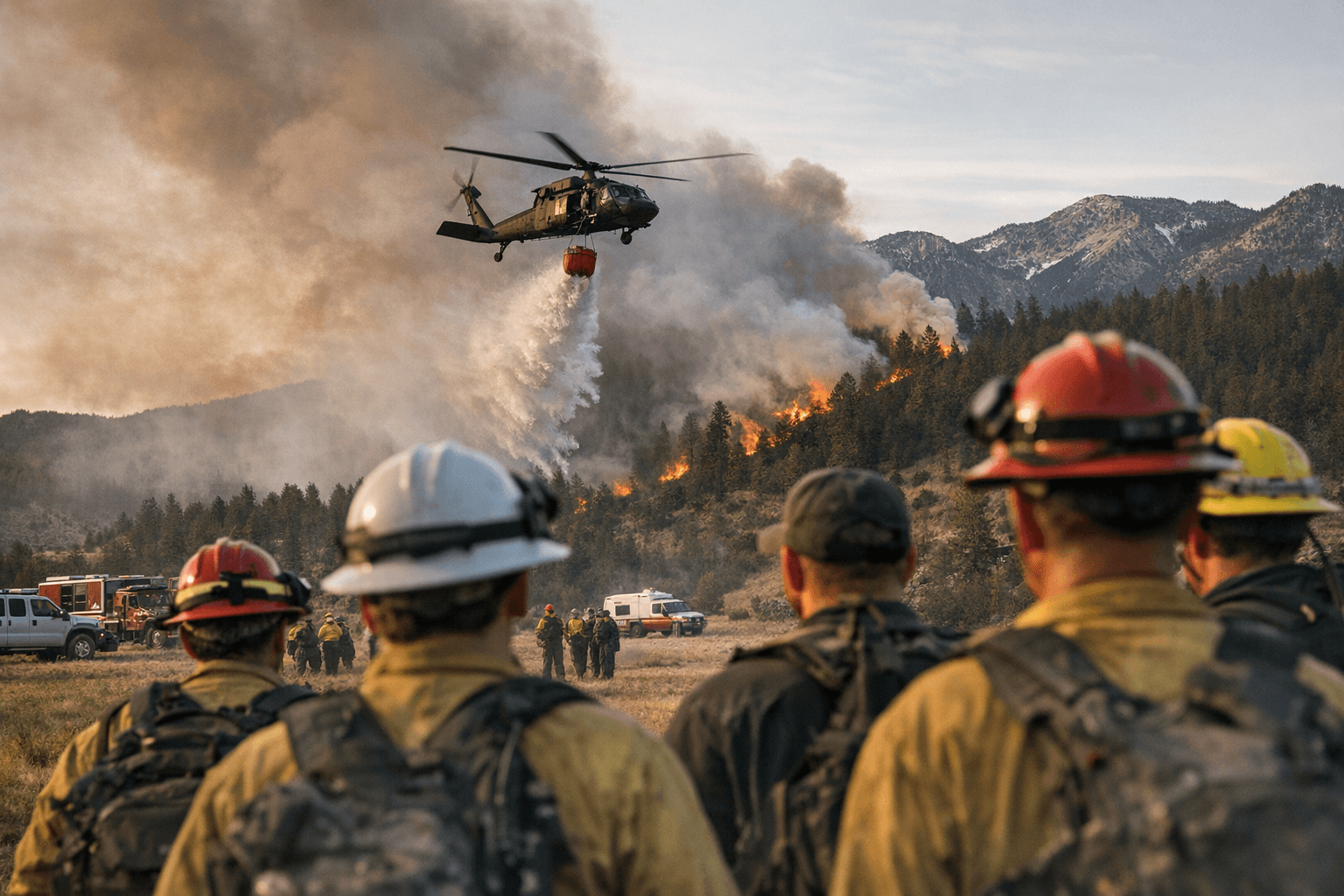
Organizers and federal partners are pitching the event as a major interagency aviation and ground-operations push. An Nifc report describes the program as the 12th annual Academy and says it is expected to be among the largest, with courses that cover aerial supervision, helicopter coordination, ground-based operations and aircraft dispatching. The Nifc report also states the academy “will conclude on March 11,” a one-day difference from the March 12 end date in the Original Report.
Aviation-focused instruction is central to the curriculum: the Nifc text notes that “airspace over wildfires is among the most tightly controlled and requires meticulous coordination,” and that the Aerial Supervision courses “help prepare personnel for navigating that complexity and doing it safely.” Courses are standardized across federal, state and local agencies to ensure a unified approach to aviation operations during wildfires on any jurisdiction, and the program is described as providing the chance for agency personnel to complete multiple required aviation courses in a one-stop shopping approach.
The U.S. Department of Agriculture’s Forest Service is listed as host, joined by personnel from the U.S. Wildland Fire Service, CAL FIRE, the State of Alaska and four military airlift wings that are part of the Modular Airborne Firefighting Systems program, known as MAFFS. The Nifc report highlights a “wide array of aircraft being used for the training” and points to the Phoenix Interagency Fire Center as a facility that can accommodate large numbers of enrolled students and aircraft, calling Arizona “an ideal location for aerial fire training” because weather, topography and access reduce lost training time due to inclement weather.
Chris Tipton, identified as fixed wing operations branch chief for the U.S. Forest Service, Fire and Aviation Management, framed the partnership emphasis plainly: “This is truly a team effort,” and he added that “the courses offered as part of the academy are all geared towards attaining qualifications that will better prepare each firefighter for the season ahead.” The Nifc materials also underscore efficiency gains, noting that consolidating courses under the academy “helps reduce travel costs and avoids duplication of efforts.”
Materials released about the 2026 run present two location narratives: the event announcement names Durango and Ignacio, while the Nifc report centers on Arizona and the Phoenix Interagency Fire Center as a host site for aviation-heavy training. As the academy runs through early March, organizers and partner agencies are delivering an expanded mix of classroom and aviation qualification courses aimed at preparing local and interagency crews for the fire season ahead.
Know something we missed? Have a correction or additional information?
Submit a Tip