Foxconn sees AI boom powering stronger second-half growth in 2026
Foxconn said AI spending already topping $700 billion is lifting orders, with server shipments set to more than double and capital spending rising 30%.
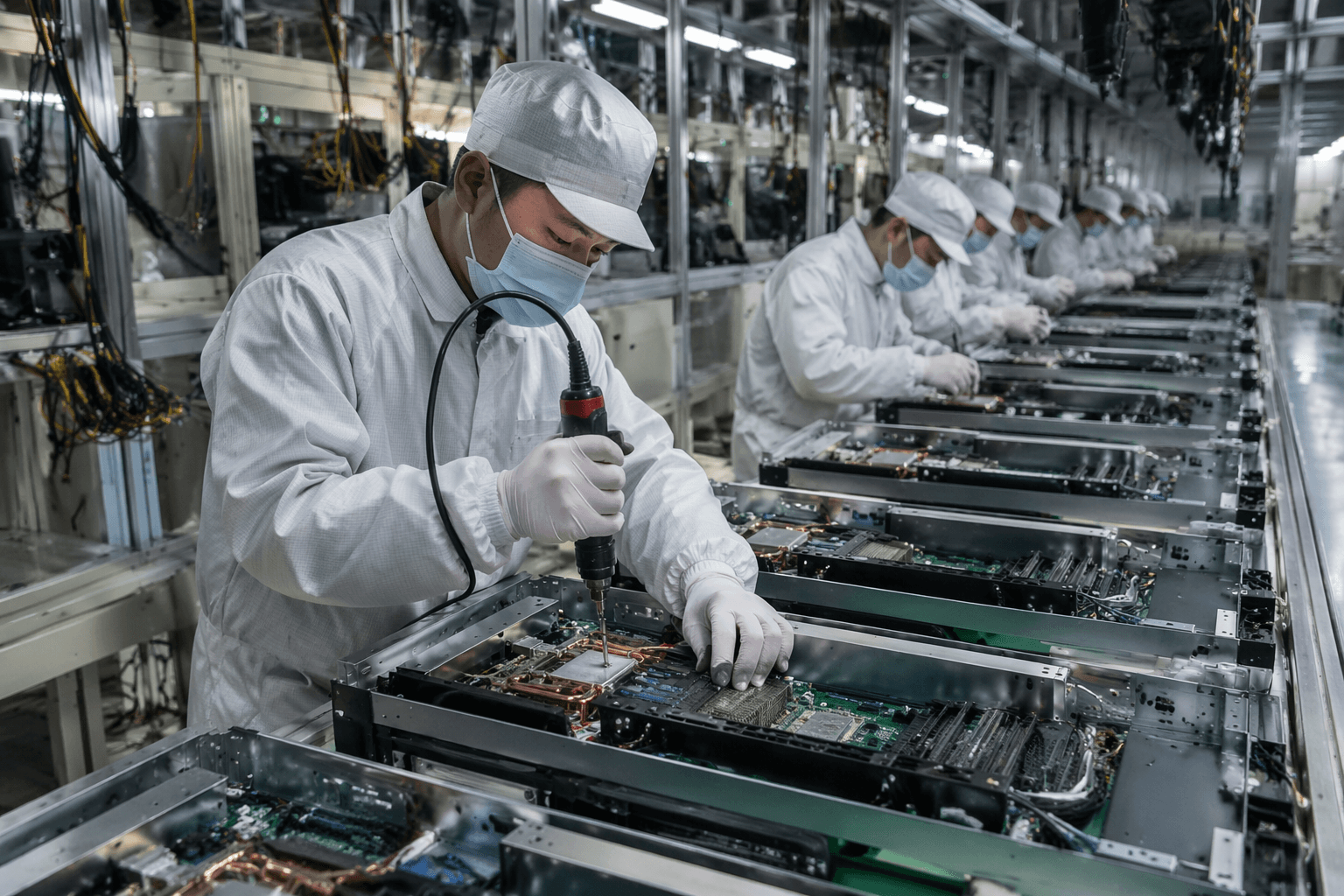
Foxconn chairman Young Liu used the company’s annual shareholders meeting in New Taipei to argue that the AI hardware boom is no longer just a story about future demand. He said the usual mid-year slowdown for tech suppliers is losing force because cloud service providers are still spending heavily on artificial intelligence, a trend he described as the market Foxconn now serves.
That confidence is being backed by hard numbers. Foxconn, formally known as Hon Hai Precision Industry, said first-quarter net profit rose 19% from a year earlier to T$49.92 billion, on record revenue of NT$2.12 trillion. The company has also kept its full-year 2026 outlook for strong growth unchanged after saying AI demand drove significant quarter-on-quarter and strong year-on-year growth in the second quarter. For a manufacturer that is the world’s biggest server maker for Nvidia and Apple’s top iPhone assembler, those results make Foxconn one of the clearest gauges of how far AI spending is reshaping global electronics supply chains.
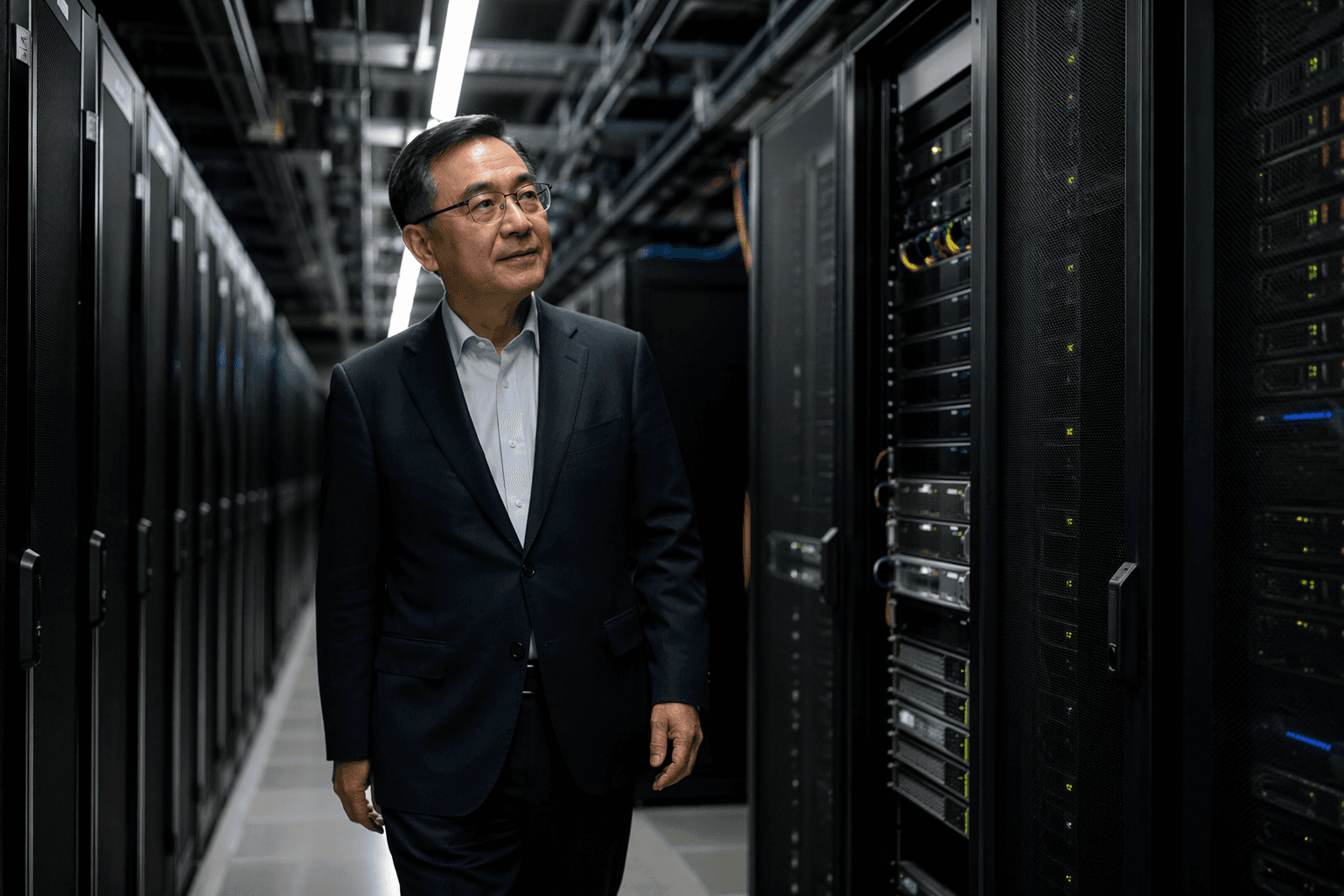
Liu told investors that AI-related spending by cloud providers had already exceeded $700 billion this year and could reach as much as $1 trillion next year. Foxconn’s own plans point in the same direction. The company said this month it will raise capital expenditure by 30% in 2026 from T$174 billion in 2025 as it expands manufacturing capacity for AI servers. It also said AI rack shipments are projected to more than double for the full year, while high-speed switch shipments above 800G are expected to grow as data-center networking demand rises.
Those forecasts matter because they imply more than general enthusiasm. For Foxconn’s optimism to hold, cloud buyers would need to keep ordering servers at a pace that fills new capacity, networking gear would need to keep moving into data centers, and the memory market would need to avoid a severe bottleneck. Liu said the global memory chip shortage has reached some high-end customers, but only in a limited way, and that the effect on clients through the end of the year remains constrained. That is an important signal for the broader AI hardware cycle, since memory shortages can quickly ripple across servers, consumer devices and other electronics.
The stock market has not fully matched Foxconn’s confidence. Shares are up 19% this year, trailing the broader Taiwan market’s 54% gain. Still, Foxconn said its cloud and networking segment now accounts for nearly half of revenue, helping offset the traditional off-season that usually hits ICT suppliers in the first quarter. Under Liu, who has led the company since 2019, Foxconn has been pushing a wider transformation into AI servers, electric vehicles, semiconductors and robotics. The latest figures suggest AI is already changing the company’s revenue mix, investment pace and seasonal pattern, not just its long-term strategy.
This article was produced by Prism’s automated news system from verified source data, official records, and press releases, then run through automated quality and moderation checks before publishing. The system is built and supervised by the people who set the standards it runs under. Read our full AI policy.
Did this article answer your question?