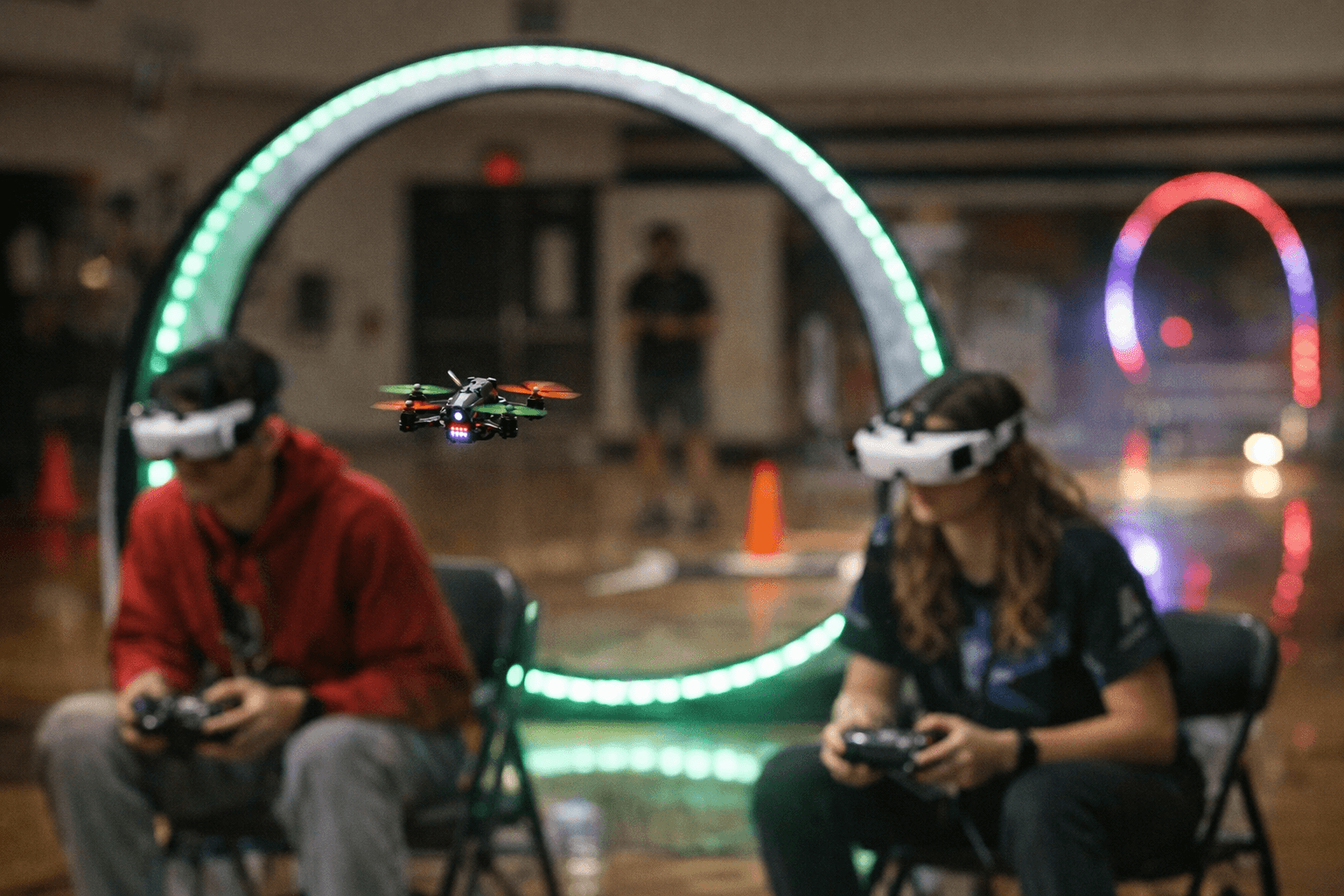
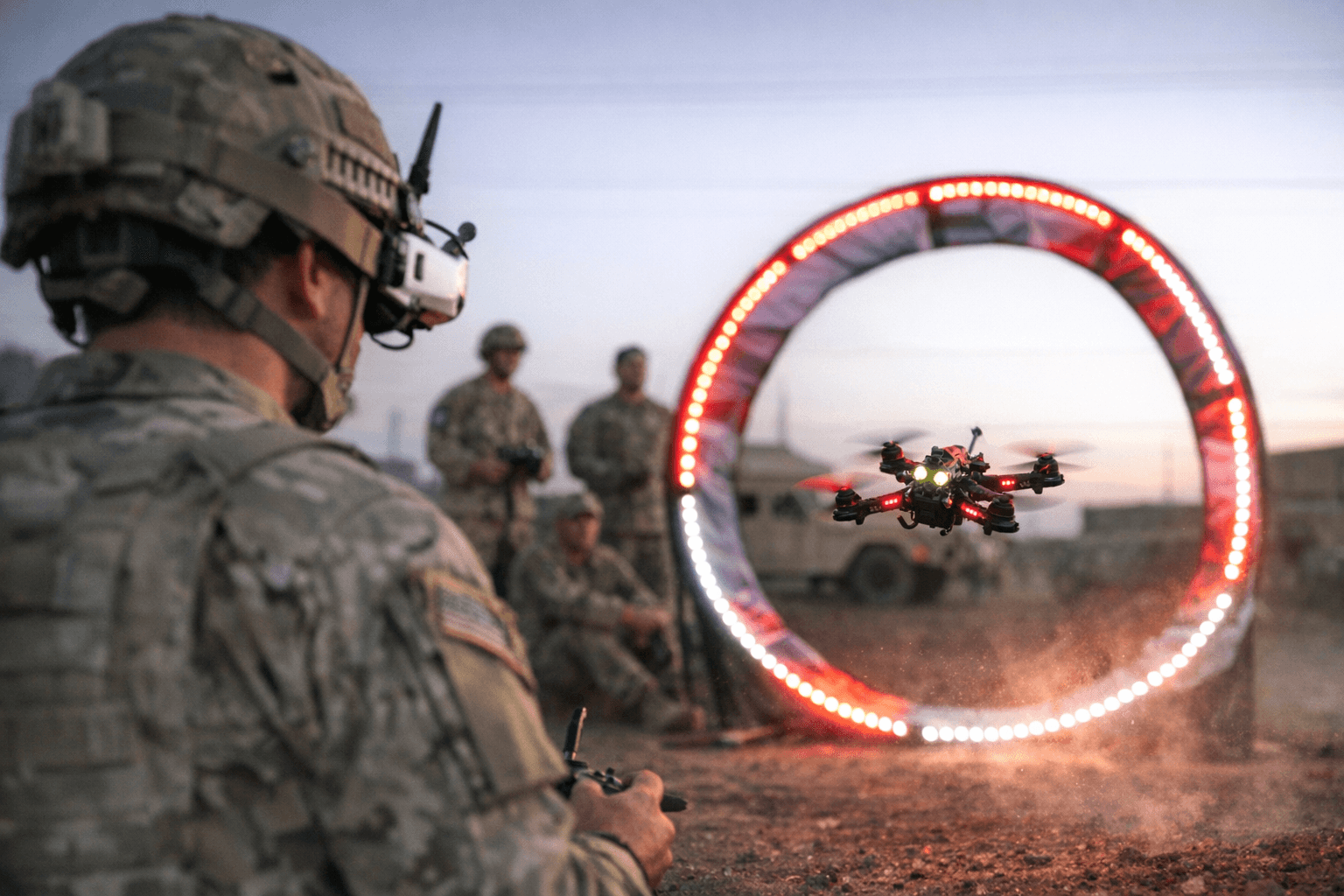
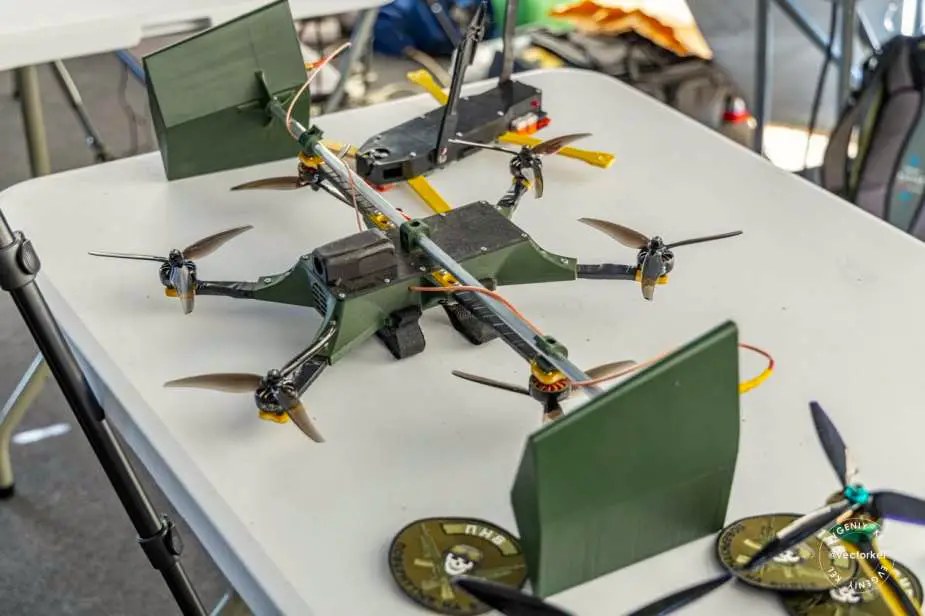
FPV in 2026: Regulatory and Equipment Changes Every Racer Needs
MGM's Las Vegas shoot shows the new 2026 reality: TRUST for recreation, Part 107 for every commercial operator, visual observers, permits with McCarran control, and Avata 2 or Nazgul Evoque F5 V2 delivering 4K in 48 hours.
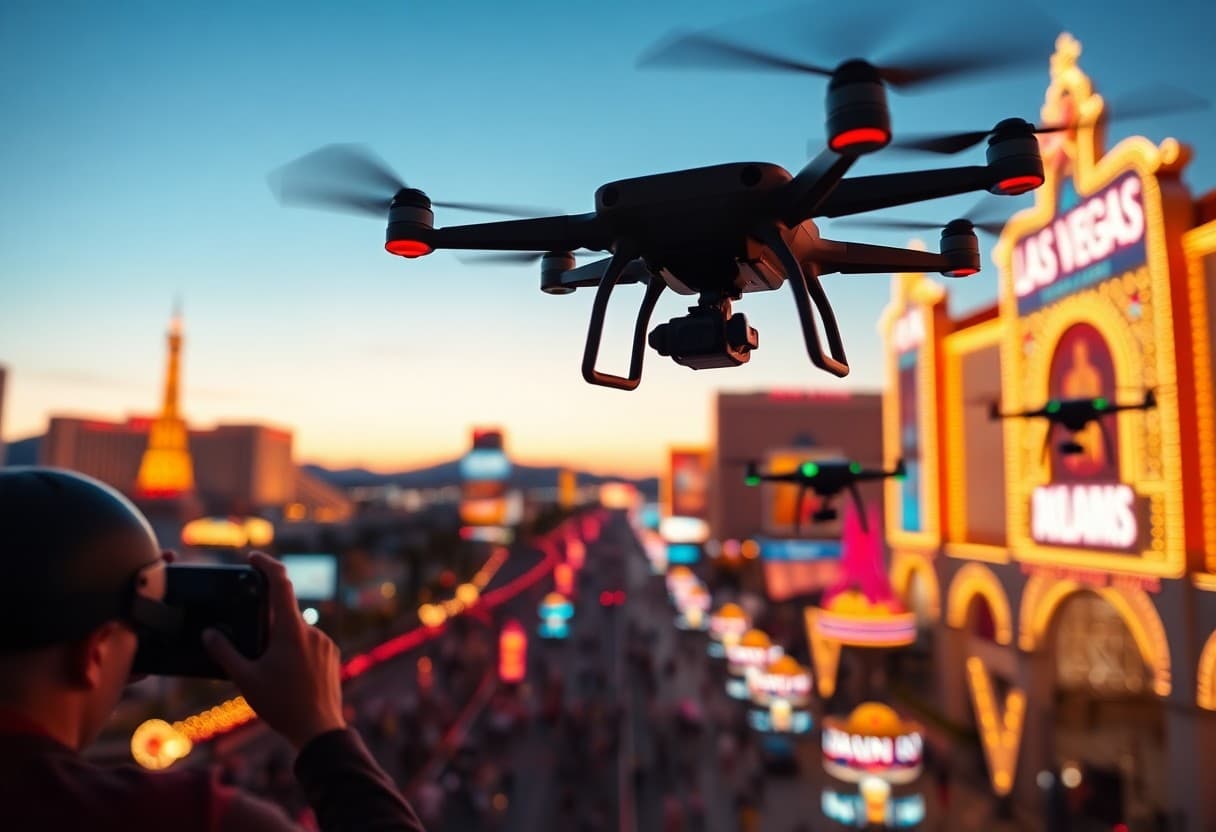
When MGM Studios needed repeatable drones fpv shots for a downtown Las Vegas commercial in early 2026, they faced a maze of new FAA rules and airspace restrictions." That account from ExtremeAerialProductions encapsulates the year racers and race directors must plan around: a downtown Las Vegas commercial, early 2026 timing, and client demands for fast turnaround, full legal compliance, and reliable insurance.
ExtremeAerialProductions says the crew "delivered 4K stabilized footage using our DJI Avata 2 and iFlight Nazgul Evoque F5 V2," secured all permits, and "coordinated with the McCarran control tower." EAP logged every commercial sortie under Part 107, and reports the result: "zero incidents, 100 percent client approval, and delivery within 48 hours, with all drones fpv flights logged under Part 107." Those are operational benchmarks racers and production teams can measure against when quoting timelines and insurance needs.
Regulatory basics EAP spells out for Arizona and Nevada are concrete and immediate. "Drones fpv operations in Arizona and Nevada require strict attention to FAA rules," the firm writes. For recreational pilots EAP underscores that "Every recreational pilot must pass the TRUST test before flying." For commercial jobs they state bluntly that "Commercial work, like our Las Vegas project, demands a Part 107 license for each operator." EAP also records a procedural requirement many pilots treat as optional: "FPV pilots also need a visual observer to keep the drone in sight at all times."
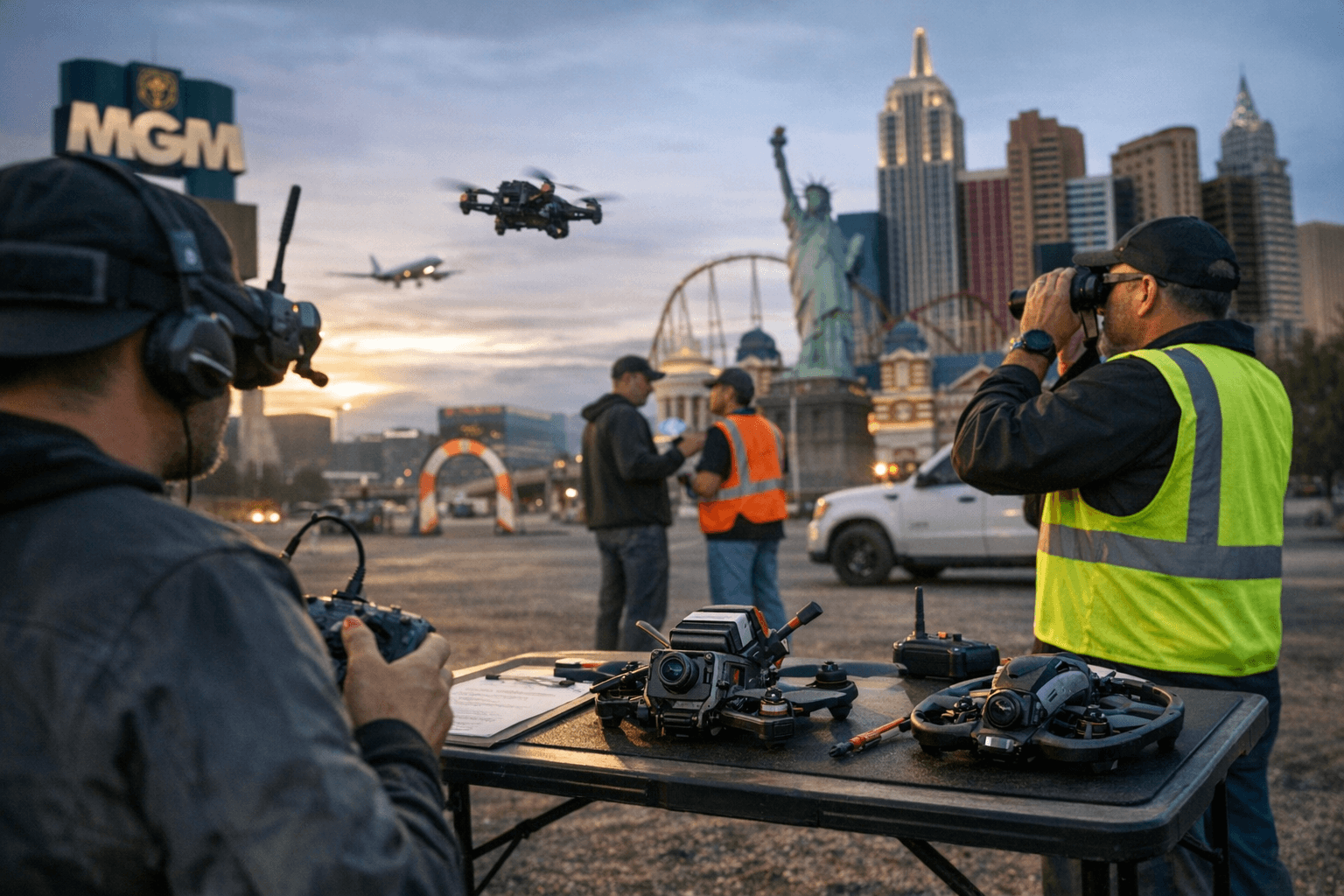
EAP’s field playbook is direct and replicable. For the MGM job they "secured all permits," coordinated with the McCarran control tower, confirmed operator Part 107 credentials, and ensured "reliable insurance." Mark from the EAP team explains the hardware and process choice: "For every high-stakes Scottsdale shoot, we choose the Avata 2 for its reliability and image quality. Our workflow, from planning to post-flight review, means we can promise both safety and the cinematic results clients expect." Post-flight review and flight logging under Part 107 are listed as standard steps in that workflow.
The community and race-angle matter to skill retention and rule awareness. EAP reports "We stay sharp by flying with local FPV clubs and attending meetups across Arizona and Nevada. Sharing tips and feedback with other drones fpv pilots accelerates learning. We also keep up with regulatory changes and participate in races to push our skills further." That line points to a clear action set for racers and race directors: verify TRUST or Part 107 status, budget for permits and insurance, assign a visual observer, log flights under Part 107 for commercial work, and consider an Avata 2 or iFlight Nazgul Evoque F5 V2 when 4K stabilized footage is required. The MGM timeline, delivery within 48 hours and zero incidents, shows those steps turn regulatory friction into predictable, race-ready operations.
Know something we missed? Have a correction or additional information?
Submit a Tip