France, Saudi Arabia and United States Press Lebanon Army to Disarm Hezbollah
French, Saudi Arabian and United States officials meet in Paris with the head of the Lebanese army to finalise a roadmap intended to enable the disarmament of Hezbollah, diplomats say. The talks seek to convert the 2024 ceasefire into a verifiable process that stabilises Lebanon, reduces the risk of renewed Israeli escalation, and secures international backing for the Lebanese Armed Forces.
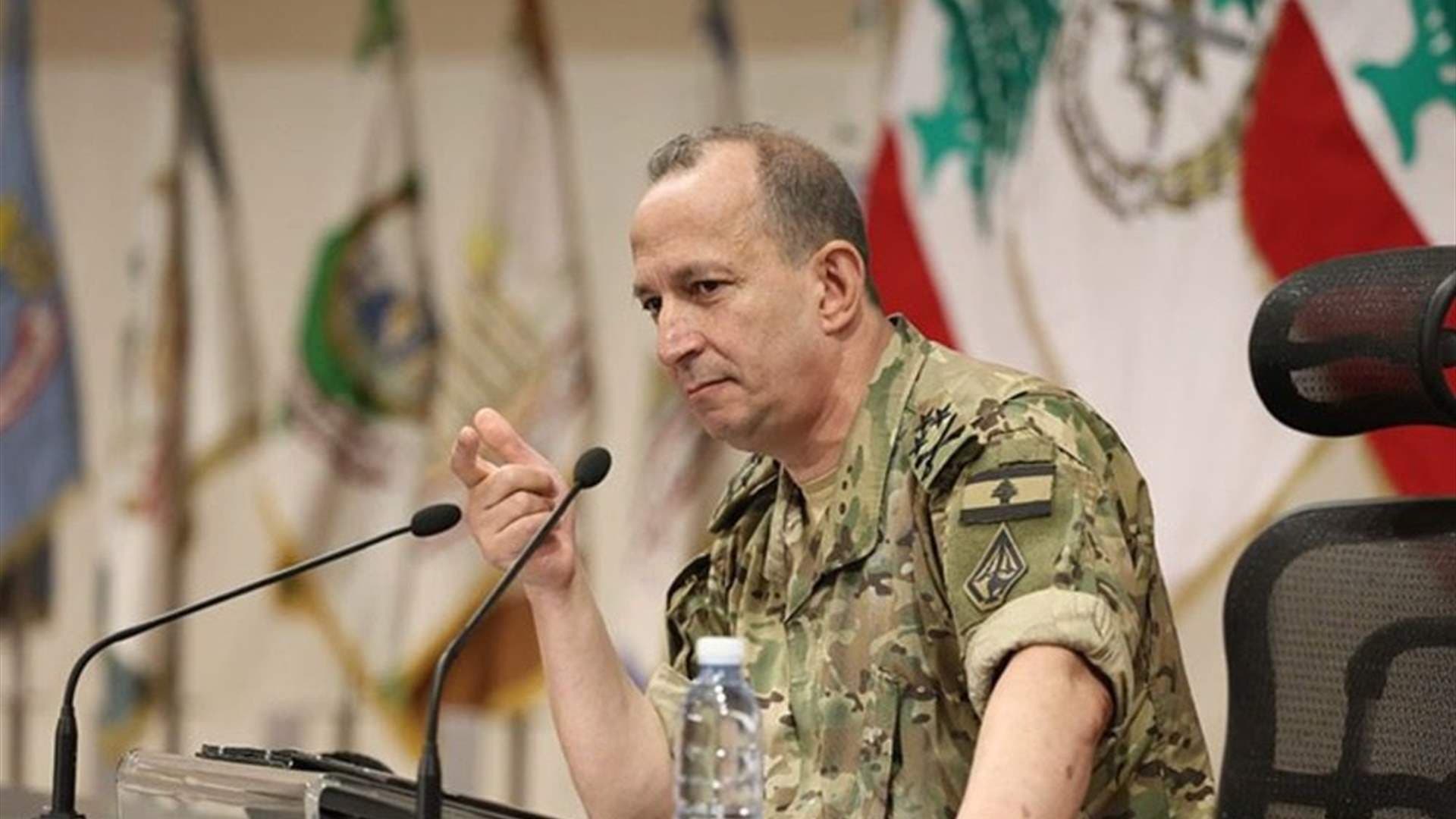
French, Saudi Arabian and United States officials meet in Paris with the head of the Lebanese army on Thursday in an effort to finalise a practical roadmap that would create or enable a mechanism to disarm Hezbollah, diplomats briefed on the meetings say. The talks are presented by participants as a move to translate the United States brokered ceasefire of 2024 into concrete steps that can be verified, financed and supported by the international community.
Diplomats describe the discussions as centered on how to identify, verify and support the removal of weapons and fighters loyal to Hezbollah while discouraging renewed Israeli military activity. Participants explored a package of measures that could reinforce the ceasefire framework through international involvement, including the use of military experts and a stronger role for United Nations peacekeepers in verification and stabilisation tasks.
A French foreign ministry spokesperson told reporters that political parties taking part in the Paris meetings agreed to convene a follow up conference in February aimed at rallying support for the Lebanese Armed Forces. Thursday’s exchanges concentrated on demonstrating progress toward disarmament and creating the political momentum needed to mobilise diplomatic and financial resources for Lebanon’s security and reconstruction efforts, the spokesperson said.
Among options discussed were international conferences to marshal diplomatic backing and funding for reconstruction in areas damaged by the 2023 and 2024 fighting, and specific mechanisms to identify and verify the presence of weapons and combatants. Diplomats said the package under consideration would include technical assistance to the Lebanese state security apparatus so the armed forces could carry out disarmament steps without leaving security vacuums that might invite further violence.
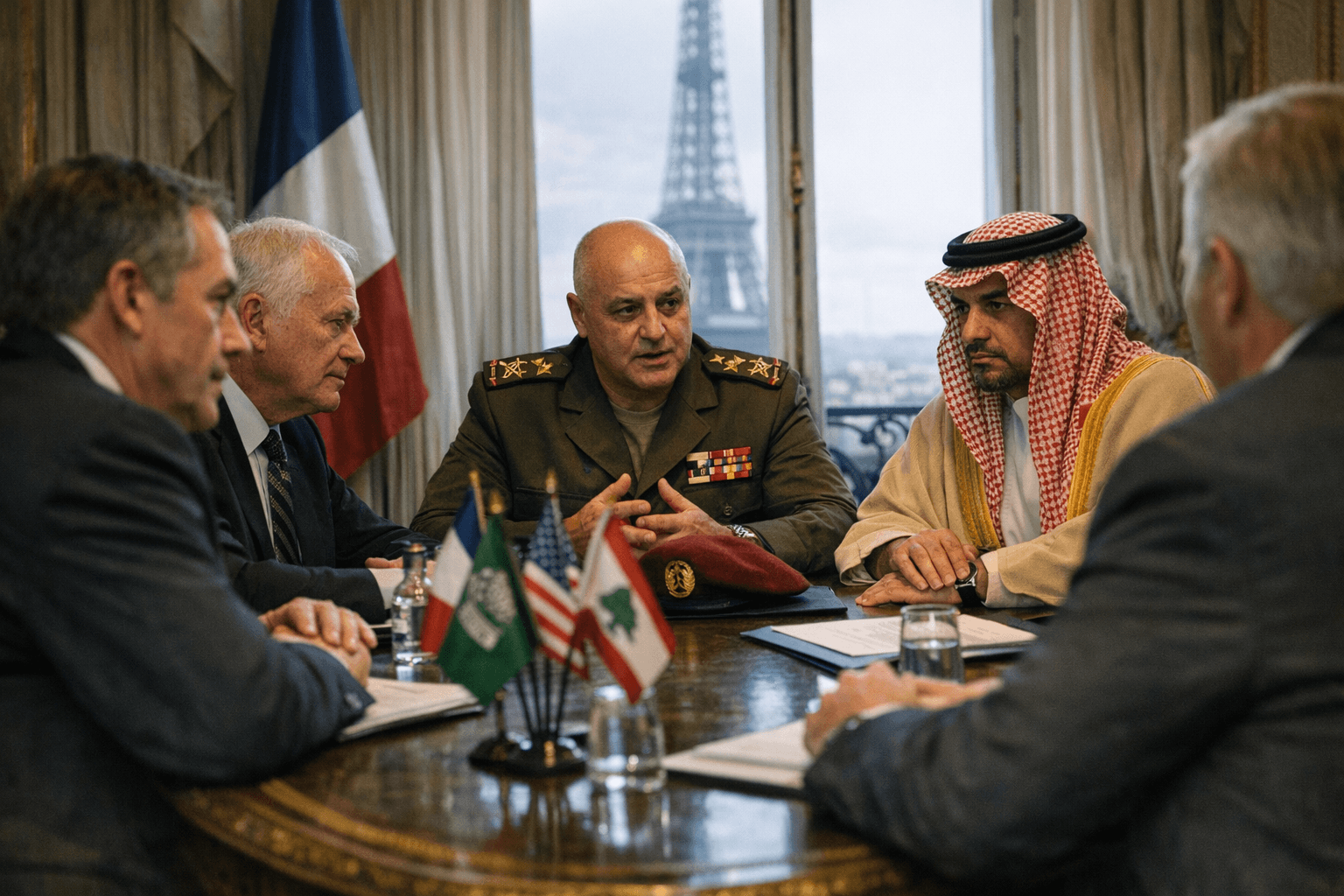
The talks explicitly build on the ceasefire brokered by the United States in 2024, which ended more than a year of heavy fighting that significantly weakened Hezbollah, diplomats noted. Despite the ceasefire, tensions persist. Diplomats said Israel has repeatedly questioned the Lebanese army’s capacity to take on disarmament tasks, and Israeli military activity has continued to target Hezbollah positions in southern Lebanon and at times struck locations inside Beirut, raising fears that localized incidents could spin into wider confrontation.
Officials in Paris stressed the February conference as a near term deliverable intended to consolidate international backing for the Lebanese military, mobilise resources for reconstruction and generate political incentives for measurable steps. What remains unresolved is the legal and operational architecture of any verification mechanism. Participants did not specify the composition or legal form of the proposed mechanism, the potential scale or mandate of any UN deployment, the sequence of disarmament relative to security guarantees, or a timeline for implementation. The name of the Lebanese army chief who attended was not publicly disclosed.
There was no immediate public response from Hezbollah and no official Israeli statement tied to the Paris meetings. For regional and international actors the initiative presents a delicate diplomatic test. Any successful pathway to disarmament will need to balance Lebanon’s sovereignty, the Lebanese political landscape, and international law while addressing the security concerns of Israel and the broader Gulf region.
This article was produced by Prism’s automated news system from verified source data, official records, and press releases, then run through automated quality and moderation checks before publishing. The system is built and supervised by the people who set the standards it runs under. Read our full AI policy.
Did this article answer your question?