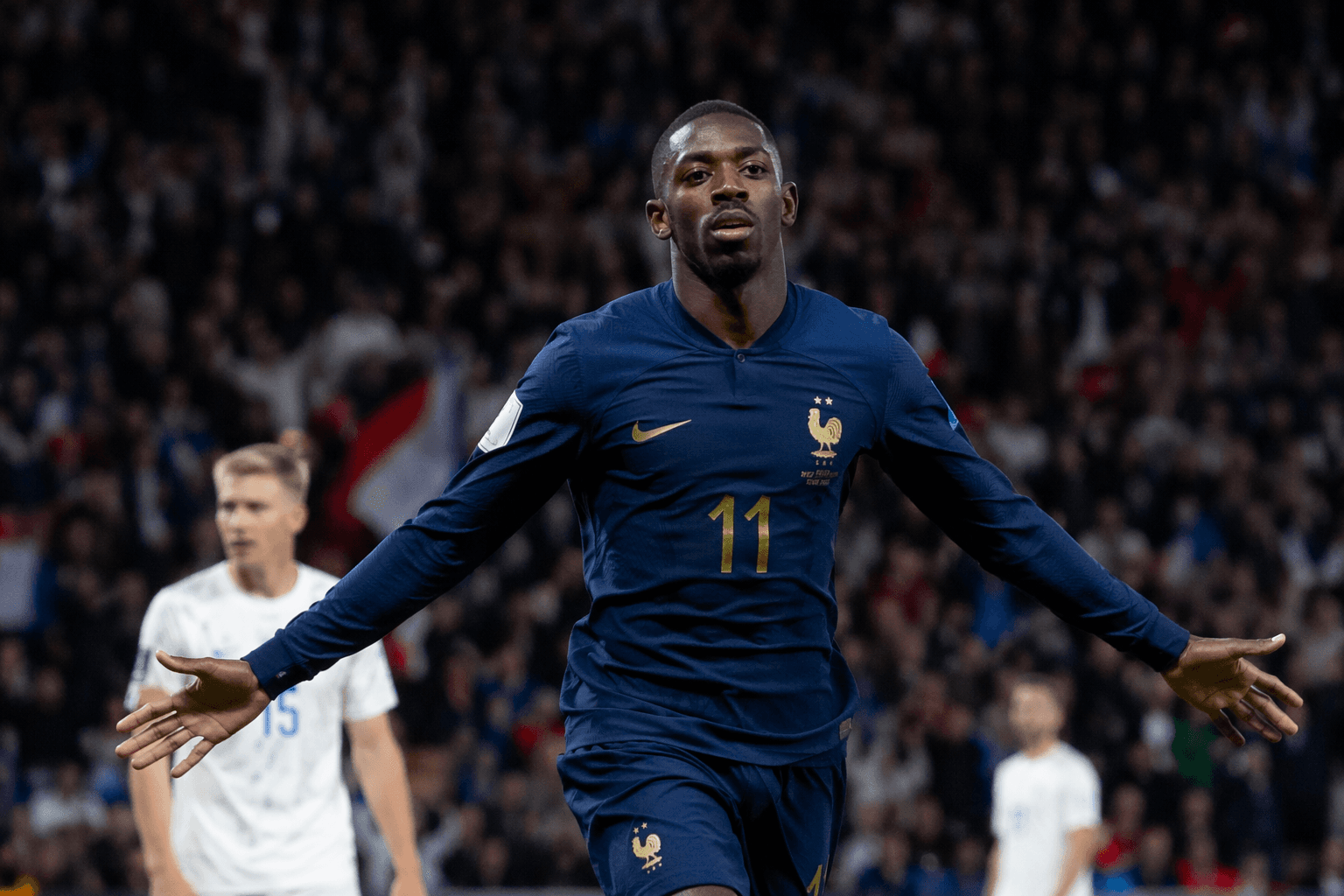
France shines early, but a hidden flaw could haunt them
France’s perfect start masks a vulnerability, while Spain’s unbeaten line still does not settle doubts. In a 48-team World Cup, early control is not the same as readiness.
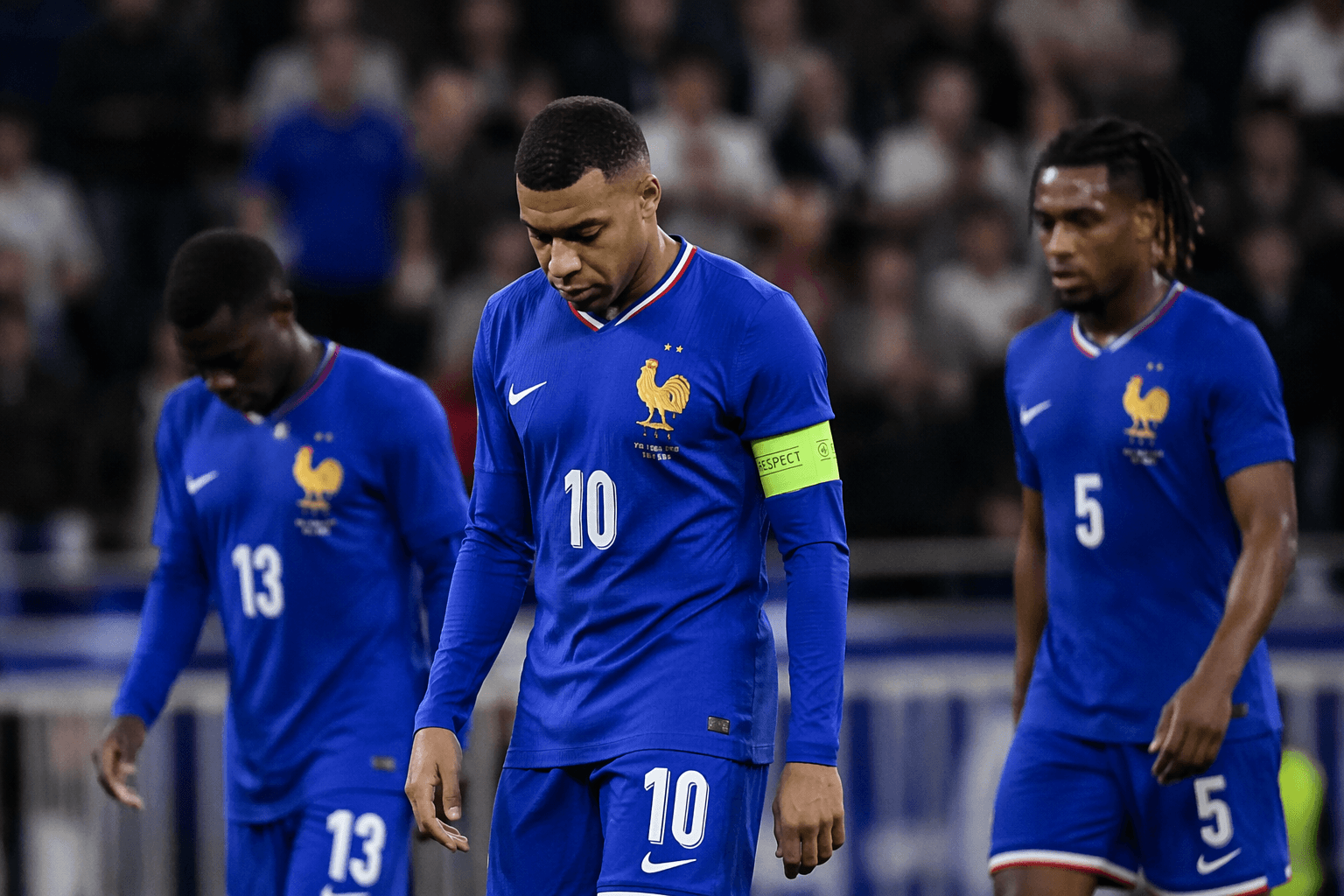
France has opened the tournament like a side determined to seize control, but the same table that rewards that start also exposes the fragility underneath it. Spain, meanwhile, sits atop its group without convincing anyone that the performances match the position. In a World Cup built to punish hesitation, both teams are carrying more questions than their records alone suggest.
France: the contender already playing with authority
The official FIFA standings show France leading Group I with 6 points from 2 matches, 2 wins, 6 goals scored and 1 conceded. That is the profile of a side doing the simplest thing in tournament football: winning early and forcing everyone else to chase. The numbers also reveal the catch, because a single concession means the margin is still thin enough for stronger opponents to target once the level rises.
That is where the hidden flaw sits. France have been the most dominant side in the opening phase by results, but an unbeaten run can conceal the kind of structural looseness that does not matter against one opponent and becomes decisive against another. In a format where one defensive lapse can alter an entire group, the fact that France have already allowed a goal gives analysts a clear place to look for pressure points.
The expanded World Cup sharpens that concern. FIFA’s 2026 tournament is the first to feature 48 teams, the first edition split across three host countries, Canada, Mexico and the United States, and the calendar runs from 11 June to 19 July 2026. With 104 matches scheduled across the competition, the path is longer, the travel burden is heavier, and a side that looks merely efficient instead of fully secure can be tested repeatedly.
Spain: top of the group, but still short of conviction
Spain’s position looks strong at first glance, because the official table has them leading Group H with 4 points from 2 matches, 1 win and 1 draw, with 4 goals for and 0 against. A clean sheet is never a small thing in tournament play, and it gives Spain a defensive base that many teams would envy. Yet the points total tells a more cautious story, because two matches have produced control without separation.
That is why Spain still does not feel like a settled force. The results have not erased the doubt that their functioning is below expectations, and that distinction matters when the margin for error is so small. A team can be undefeated and still fail to look fully tournament-ready if the performances do not create the sense that it can handle stronger opposition, different rhythms or a match that turns against it early.
Spain’s numbers also make the contrast with France unavoidable. France have converted two matches into two wins and 6 points; Spain have stayed unbeaten but have only 4 points to show for it. That difference is not cosmetic. It changes how each side enters the next phase, because one looks like it has already imposed itself, while the other still has to prove that its control can become authority.
Why the 48-team format changes the stakes
The shape of this World Cup matters as much as the standings. FIFA’s 2026 edition is the 23rd World Cup, but it is also the first to move to 48 teams, which means a broader opening phase and greater pressure on the favorites to avoid any dip in performance. With 12 groups and a full 104-match schedule, the tournament gives sides more chances to advance, but it also gives opponents more room to exploit a weakness that has been visible from the start.
That is why the first phase carries more weight than it might in a smaller field. When matches are spread across different venues in North America, the costs of a poor press, a loose defensive line or a lapse in concentration can accumulate quickly. A team that is only partially convincing may still survive, but it does so while inviting the exact kind of knockout-stage stress that stronger opponents are built to exploit.
The official schedule reinforces that reality. The group phase and the matches that follow are not compacted into a single setting, and the geography alone turns each game into a test of adaptation. For top sides, that means reputation buys little unless it is backed by control that survives distance, atmosphere and pressure.
What to read in the standings now
France’s opening two wins tell you they have the sharper edge right now, and Spain’s four points tell you they remain in command without silencing the doubts around their level. The difference between the two is not just the number of points; it is the quality of certainty those points create. France look like a team with a clear runway, but one defensive crack is already visible in the data. Spain look secure on paper, yet still incomplete in the way they are playing.
That is the central tension of this World Cup’s first phase. In a 48-team tournament with 104 matches and a broader group stage, the teams that survive are not only the ones that start well, but the ones that start well without leaving an opening for the kind of opponent who can punish a small flaw. France have the stronger record; Spain have the cleaner sheet. Neither has fully answered the harder question of whether the early promise will hold when the tournament stops forgiving mistakes.
This article was produced by Prism’s automated news system from verified source data, official records, and press releases, then run through automated quality and moderation checks before publishing. The system is built and supervised by the people who set the standards it runs under. Read our full AI policy.
Know something we missed? Have a correction or additional information?
Submit a Tip