France sidesteps climate at G7 meeting to avoid clash with US
France kept climate off the G7 agenda to avoid a split with Washington, and the silence itself exposed how fragile Western climate unity has become.
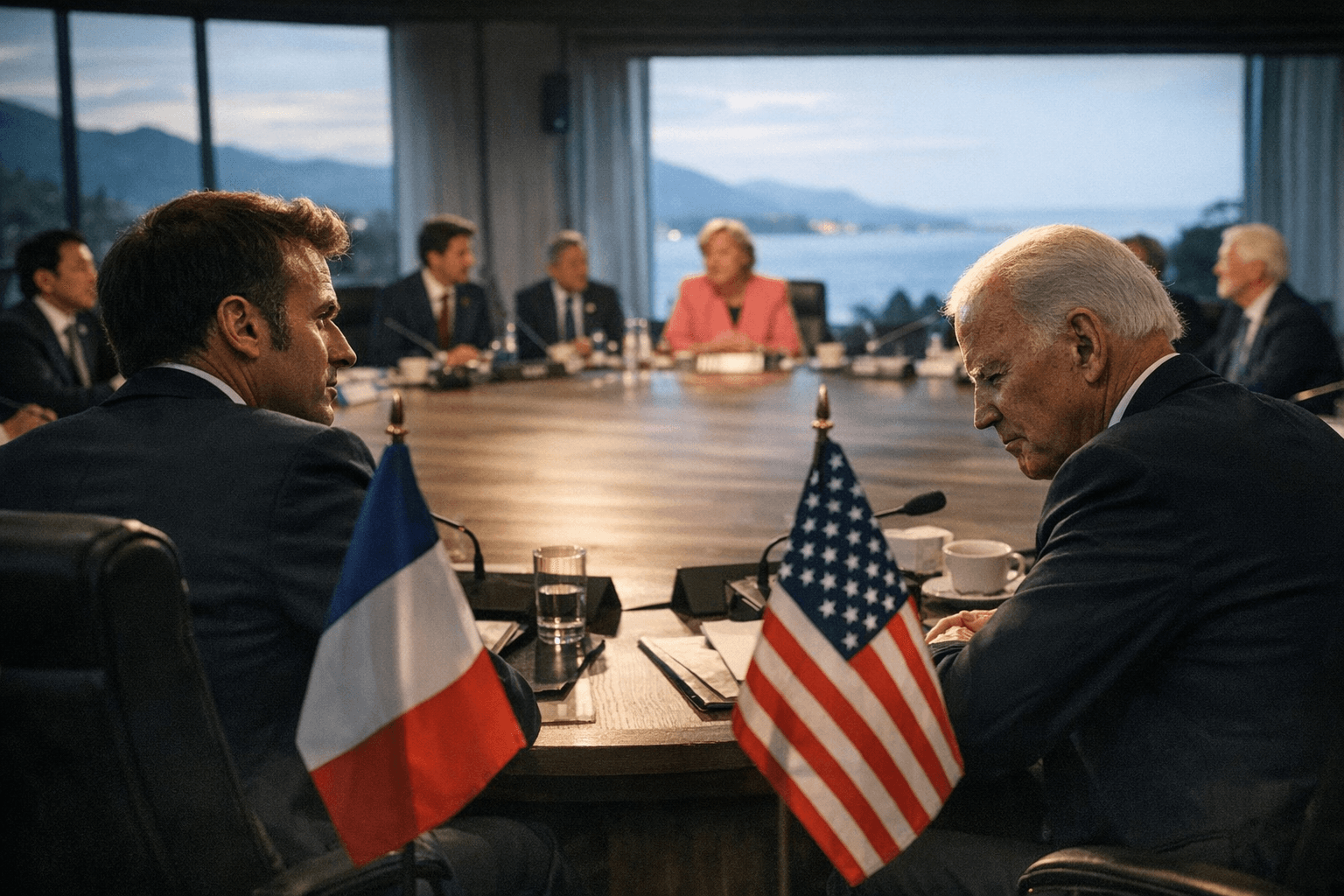
France ended a Paris-hosted meeting of G7 environment ministers by defending a choice that defined the summit more than any declaration: climate change stayed off the formal agenda to avoid a clash with the United States.
The two-day meeting ran in Paris on April 23-24, 2026, under the French G7 presidency. Monique Barbut, France’s minister for Ecological Transition, Biodiversity, and International Negotiations on Climate and Nature, said the approach was pragmatic because it reduced the risk of some partners walking away from the table and still allowed the group to deliver results on issues with broader support.
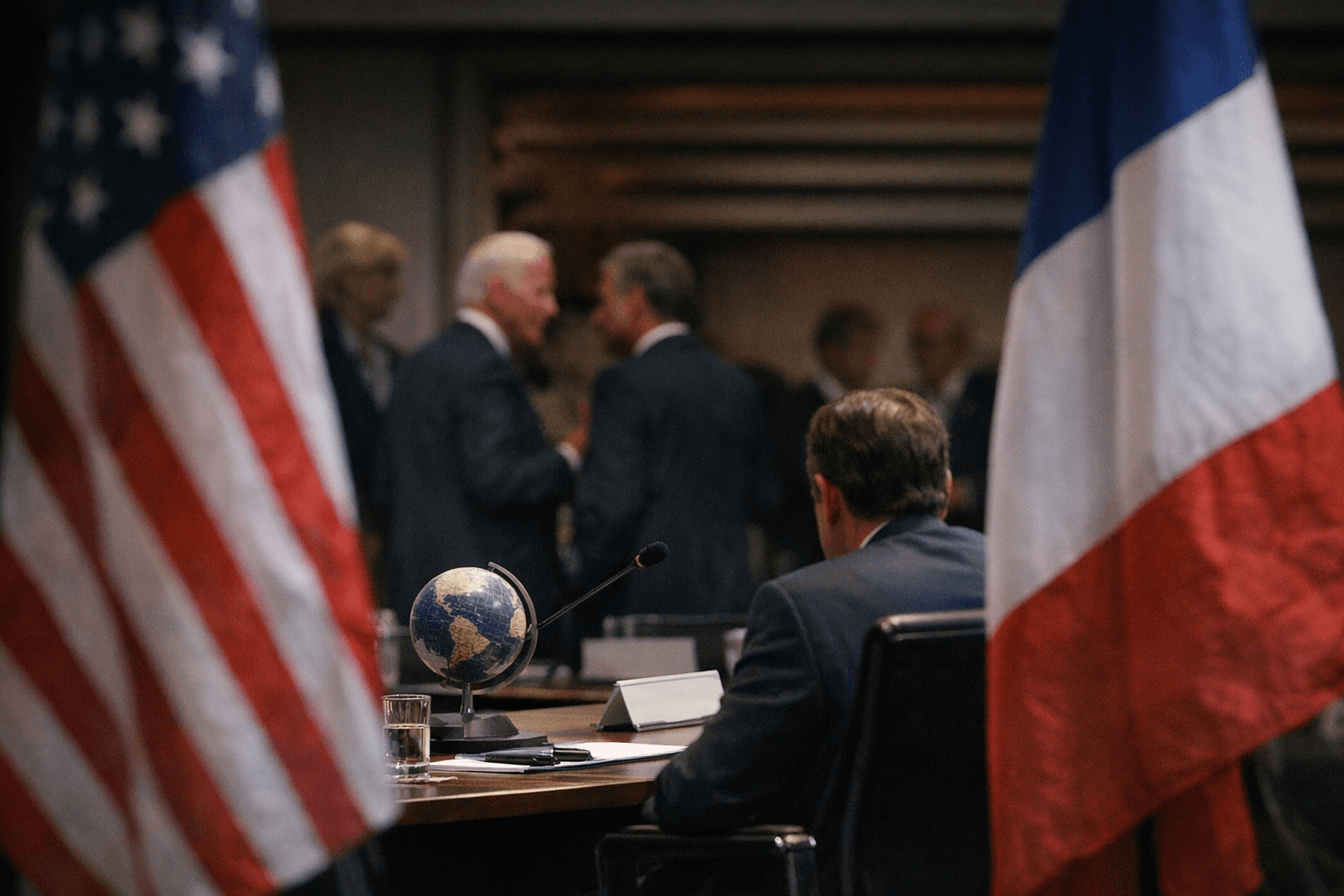
That calculation reflected the political weight of Donald Trump’s return to climate skepticism and his rejection of climate policy as a governing priority. With Washington opposed to the kind of language that usually anchors multilateral climate talks, France chose to protect consensus rather than force a confrontation that could have exposed the G7’s divisions in public. The decision was not just procedural. It showed how quickly climate can be pushed aside when alliance management takes precedence over environmental urgency.
France’s press materials said the meeting took place against a backdrop of worsening ecosystem degradation, biodiversity loss, pollution, tensions over water resources, desertification and more frequent natural disasters. Instead of a single climate showdown, the French chairmanship framed the talks around six priority areas, including security and the environment, biodiversity and financing, oceans, water and environmental health, adaptation and resilience, and broader efforts to strengthen collective action.
The Élysée said the meeting produced seven declarations across those priorities. Among the outcomes were a Nature and People Finance Alliance, new measures on marine protected areas, and steps to fight illegal, unreported and unregulated fishing. The ministers also addressed PFAS and microplastics, two fast-growing pollution concerns that have become politically harder to ignore even as big-power climate diplomacy remains stalled.
Barbut later called the results exceptional in the context of what she described as a wider crisis in environmental multilateralism. That may be the clearest reading of the Paris meeting: France preserved unity, but only by narrowing the terrain. The G7 moved forward on biodiversity, water and ocean protection, yet the central climate fight was left unresolved, a warning that future global negotiations may lean increasingly on side deals and incremental gains rather than the broad consensus that once defined climate diplomacy.
This article was produced by Prism’s automated news system from verified source data, official records, and press releases, then run through automated quality and moderation checks before publishing. The system is built and supervised by the people who set the standards it runs under. Read our full AI policy.
Did this article answer your question?