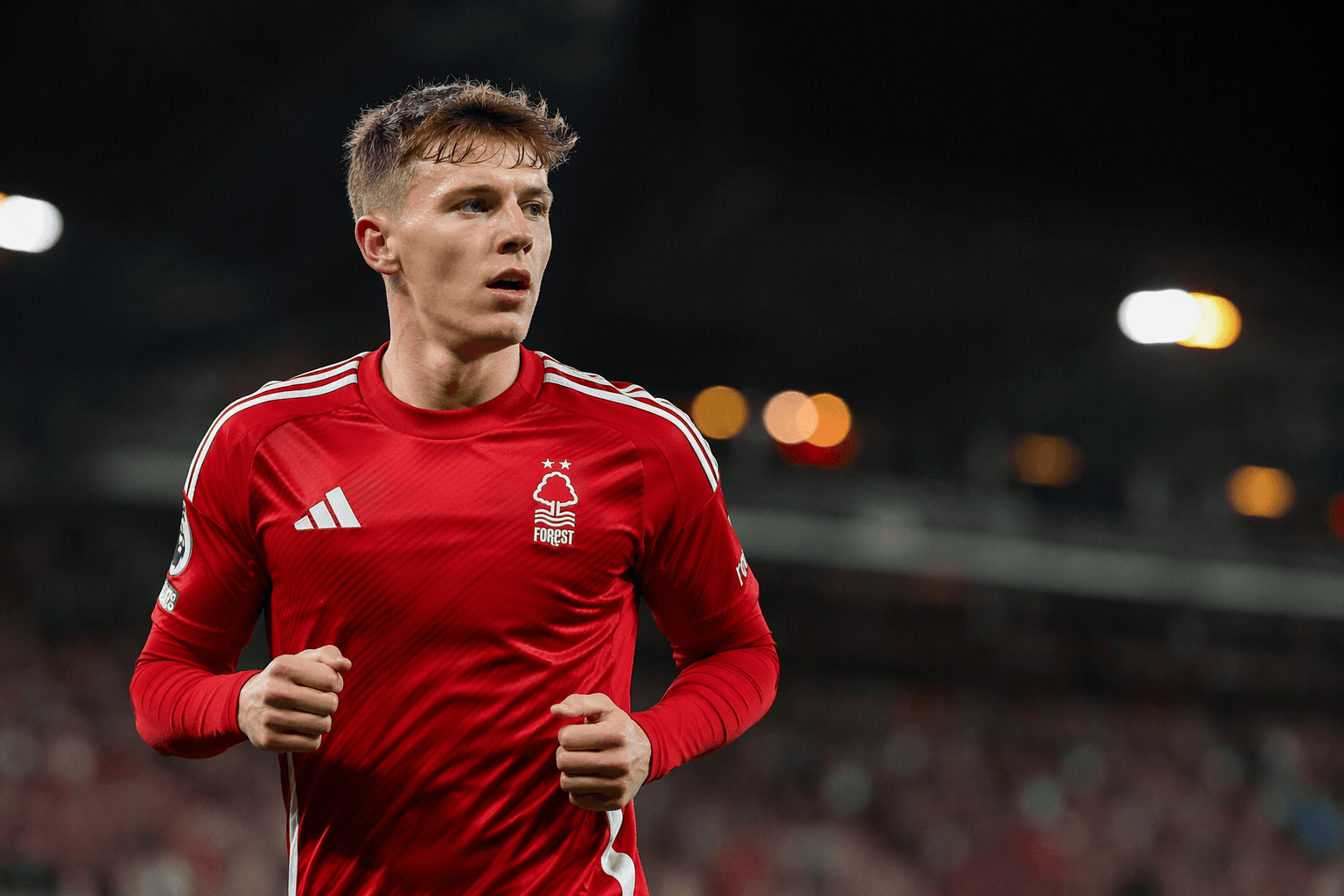
France top BBC Sport’s World Cup rankings after opening round
France seized the top spot after opening day, but BBC Sport’s first 48-team ranking already shows how fragile the order is for Brazil, Spain and Argentina.

1. France
France sat first after a 3-1 win over Senegal, and BBC Sport said the team was living up to pre-tournament hype with "strength in every position." That kind of complete performance matters even more in an expanded World Cup, where one clean statement can set the tone for weeks.

2. England
England went second after beating Croatia 4-2, powered by a brilliant attacking display led by Harry Kane. The concern at the back kept them just behind France, but the win still read like a team ready to impose itself early.
3. Argentina
Argentina opened their World Cup defence with an emphatic 3-0 win over Algeria, yet BBC Sport still placed them third. Lionel Messi’s influence helped keep them in the elite tier, but the gap between a strong start and the top spot was already visible.
4. Germany
Germany moved to fourth after hammering Curaçao 7-1. In a first-round ranking, that kind of scoreline carries extra weight because it can make a team look sharper and more ruthless than rivals who simply won.
5. USA
The USA were the surprise of the early list at fifth after beating Paraguay 4-1. That is the sort of start that can change how a mid-tier side is viewed, because it turns potential into immediate leverage.
6. Norway
Norway went sixth after defeating Iraq 4-1 behind Erling Haaland. When a team has a striker who can dominate a first outing like that, the ranking tends to reflect both the result and the threat of more to come.
7. The first gap below the front runners
The rankings already begin to blur once the top six are set. That is a feature of the 48-team format: the field is wider, the comparisons are noisier, and the early pecking order is much easier to shake.
8. Morocco
Morocco were ranked eighth after drawing 1-1 with Brazil, and BBC Sport judged that they still had more in reserve. That is a powerful early signal for a team outside the traditional elite, because it suggests upside rather than just survival.
9. Brazil
Brazil sat ninth despite avoiding defeat in that 1-1 draw with Morocco. The placement shows how fast the experts were willing to downgrade a heavyweight that looked shaky rather than authoritative.
10. The crowded middle
The middle of the table is where the expanded tournament starts to feel unstable. Once the headline wins are separated out, a lot of teams look like they are only one good or bad night away from a significant move.
11. The value of a statement win
One emphatic result can do more than add points. It can change the public reading of a team’s ceiling, which is why the opening round carries outsized influence in a one-match sample.
12. Spain
Spain were 12th after a 0-0 draw with Cape Verde, which BBC Sport called the shock of the tournament so far. A scoreless opener against an opponent like that is the kind of result that immediately lowers the temperature around a traditional power.
13. The first tier of teams below the spotlight
Beyond the top dozen, the rankings become a test of how much credit a team earned versus how much uncertainty it created. In a 48-team World Cup, that uncertainty matters because there is less time to repair a slow start.
14. Why goal difference feels louder now
Germany’s 7-1 win is more than a result, it is a statement of separation. A score like that can carry a team upward even before the rest of the field has a chance to answer.
15. Why a draw can still help
Morocco’s 1-1 result with Brazil shows how a draw against a giant can still strengthen a team’s standing. In this format, looking organized against a heavyweight can be almost as valuable as winning ugly.
16. Why a draw can still hurt
Brazil’s ninth-place ranking shows the other side of that equation. Avoiding defeat is not enough when the performance itself leaves doubts about control, fluency and authority.
17. Why the giants are under scrutiny
Brazil and Spain both sit lower than reputation alone would suggest. That is the central lesson of the first rankings: pedigree matters, but it does not shield a team from a flat opener.
18. Why the challengers gain ground
The USA and Norway both used strong attacks to climb quickly. For teams trying to move from hopeful to credible, an opening result that looks convincing can be worth as much as a more cautious win.
19. Why the top three separated
France, England and Argentina formed the top three because they combined results with the sense that they were ready for the tournament’s scale. The difference between them was not huge, but each one offered a distinct reason to stay near the summit.
20. France’s complete look
France’s rise was built on more than the 3-1 scoreline. BBC Sport’s description of strength in every position suggests a side that looked balanced enough to survive different kinds of test.
21. England’s attacking edge
England’s 4-2 victory over Croatia put Harry Kane at the center of the story. That kind of front-foot football helps a team look dangerous right away, even if there are still questions about defensive security.
22. Argentina’s winning cushion
Argentina’s 3-0 win over Algeria gave them the margin champions want in the opening round. Still, the ranking shows how little room there is at the top when the field is so full and the sample is so small.
23. Messi’s pull
Lionel Messi was singled out as a decisive factor in Argentina’s high placing. Individual brilliance still shapes the conversation when the tournament is only one game old.
24. Kane’s pull
Harry Kane did the same thing for England. A star who leads a rampant attacking display can pull a team up the table almost by himself.
25. Haaland’s pull
Erling Haaland gave Norway a signature early result. In a tournament this large, that kind of player-driven statement can force the rest of the world to take notice quickly.
26. The risk of over-reading fireworks
Germany’s 7-1 victory is impressive, but a blowout can also distort the picture. One runaway opener does not answer every question about how a team will cope when the game is tighter and the pressure is higher.
27. The risk of over-reading resilience
Morocco’s draw with Brazil is also easy to exaggerate. The result suggests strength, but the bigger test is whether that control holds when the opposition changes shape.
28. The risk of over-reading caution
Spain’s goalless draw shows how restraint can become a problem when the tournament narrative turns against you. A result that might once have looked respectable now reads as a missed opening.
29. The pressure of expectation
Brazil’s lower placement reflects the burden that comes with being expected to dominate. A heavyweight does not need to collapse to slip down a first-round ranking.
30. The pressure of surprise
The USA’s fifth-place ranking carries a different kind of weight. Once a team gets labeled an early surprise, every later result has to defend that label.
31. The pressure of momentum
Norway’s rise creates momentum that can be hard to slow. If a team looks this dangerous in its first outing, the ranking becomes a platform rather than a snapshot.
32. The premium on balance
France were rewarded for looking strong across the pitch. That is often the safest trait to trust after one game, because it is less dependent on a single hot spell or a single scorer.
33. The premium on tempo
England’s attacking display showed how quickly tempo can shift the conversation. Teams that start fast tend to look more prepared for the tighter margins ahead.
34. The premium on composure
Argentina’s opening win showed control rather than panic. Even with France and England above them, they remained well inside the elite group because their performance looked settled.
35. The premium on belief
Morocco’s draw with Brazil could prove valuable because it builds belief against a giant. In an expanded World Cup, that belief can matter as much as the points total.
36. The premium on discipline
Brazil’s position warns how costly loose first impressions can be. A ranking built after one match often punishes uncertainty more quickly than it rewards reputation.
37. The premium on clarity
Spain’s 12th-place ranking is a reminder that clarity matters. If an opener does not show a team’s plan, the table will reflect that hesitation.
38. The experts’ method
BBC Sport said a small team of journalists watched every side’s opening game before ranking all 48 teams. That makes the list feel less like a gut reaction and more like a first collective read on where the tournament actually stands.
39. The readers’ role
Readers were also invited to rank every nation themselves at the bottom of the page. That open invitation turns the rankings into a live argument about form, reputation and expectation.
40. The expanded-format effect
The 48-team format increases the chance that one result will move perception more than it used to. With so many teams in the field, the opening round becomes a map of volatility rather than a settled hierarchy.
41. The early volatility map
This first ranking shows where the fault lines already are. France, England and Argentina look secure; Germany, the USA and Norway look upwardly mobile; Brazil and Spain already feel vulnerable.
42. The weight of one match
A single game can now pull a team several places one way or the other. That is especially true when the result comes with a lopsided score or an unexpectedly flat draw.
43. The mid-tier opportunity
For teams outside the old power structure, the opening round is a chance to gain leverage quickly. Morocco, the USA and Norway all benefited from performances that gave the ranking room to move them up.
44. The traditional-power warning
Brazil and Spain are the clearest warnings for the giants. A famous badge does not prevent a ranking from reflecting a shaky or stale first performance.
45. The headline-team standard
France set the early standard because they looked complete from the start. England and Argentina followed because they backed up reputation with results that were good enough to carry real weight.
46. The distortion factor
One match can still distort the pecking order more in this format than in older World Cups. With more teams and less time, the first impression is louder, even if it will not be the last word.
47. The second-game pressure point
The next round now carries extra significance because the first ranking has drawn the initial lines. Teams near the top have to prove they belong there, while those near the bottom need fast repair.
48. The first map, not the final word
This ranking is the tournament’s first map of power, not its final verdict. France look settled at the summit, but the real story is how quickly the rest of the field can still move.
This article was produced by Prism’s automated news system from verified source data, official records, and press releases, then run through automated quality and moderation checks before publishing. The system is built and supervised by the people who set the standards it runs under. Read our full AI policy.
Did this article answer your question?
.jpg&w=1920&q=75)