Frank Hayden’s research helped shape the Special Olympics
Frank Hayden’s research showed children with intellectual disabilities could benefit from sport, helping turn a University of Toronto finding into the Special Olympics movement.
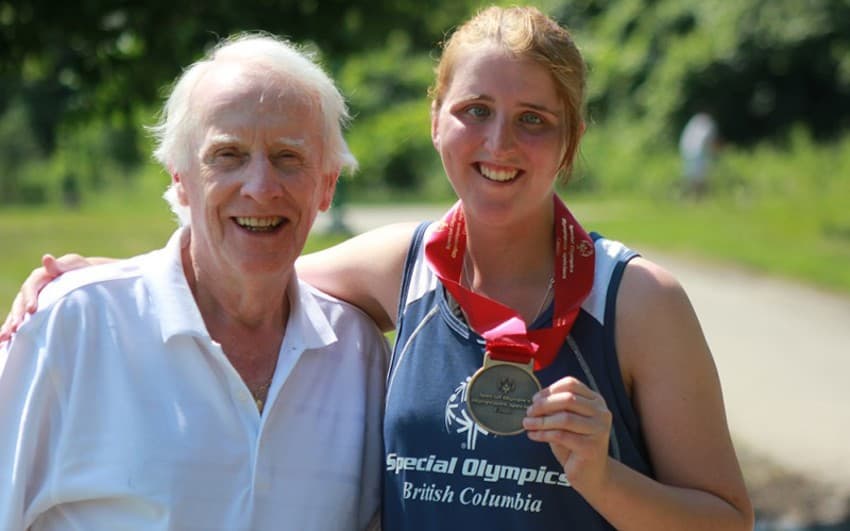
Frank Hayden’s University of Toronto research helped overturn a stubborn assumption: that children and adults with intellectual disabilities belonged outside competitive sport. He died on May 16, 2026, at 96, leaving behind work that helped recast athletics as a path to opportunity, confidence, community and physical well-being.
In the early 1960s, Hayden’s studies found that children with intellectual disabilities were about half as physically fit as their non-disabled peers. That evidence did not argue for exclusion. It pointed in the opposite direction, challenging the idea that disability itself made sport participation impossible. In 1964, Hayden published a book for educators with sample lesson plans that sold 50,000 copies, widening the reach of his ideas beyond the university and into classrooms, schools and recreation programs.

The turning point came after a 1965 call from the Kennedy Foundation. Eunice Kennedy Shriver took interest in Hayden’s findings, and the argument that sport could be meaningful for people with intellectual disabilities moved from research into institution building. The first Special Olympics Games were held at Soldier Field in Chicago on July 20, 1968, with athletes from 25 U.S. states and a Canadian floor-hockey team from Toronto’s Beverley School. Canada’s team included 12 students and a teacher, and Toronto Maple Leafs captain George Armstrong served as honorary team captain. Hayden was the Chicago event’s general director.
Hayden’s role did not end there. He later worked for the Kennedy Foundation as director of physical education and recreation, and Special Olympics Canada says he helped establish 50 additional Special Olympics organizations around the world. Marion Hayden, his wife of 67 years, was also a steady supporter behind the scenes, encouraging his work and the athletes who came to define it.

What began as an academic challenge to exclusion became a global movement. Canada’s Walk of Fame says Special Olympics now spans nearly 4 million athletes in 177 countries, with more than 42,000 athletes in over 365 communities across Canada. The scale reflects the reach of Hayden’s central idea, that public recognition and athletic competition should not be reserved for elite athletes, but made available to people long denied both. In an era when many children and adults with intellectual disabilities were marginalized in school, work and play, Hayden’s research helped open a space that still shapes debates over inclusion today.
This article was produced by Prism’s automated news system from verified source data, official records, and press releases, then run through automated quality and moderation checks before publishing. The system is built and supervised by the people who set the standards it runs under. Read our full AI policy.
Did this article answer your question?