Frederiksen to form Denmark coalition government after election deadlock
After more than two months of bargaining, Mette Frederiksen won a third term by stitching together a coalition that still falls short of a full majority.
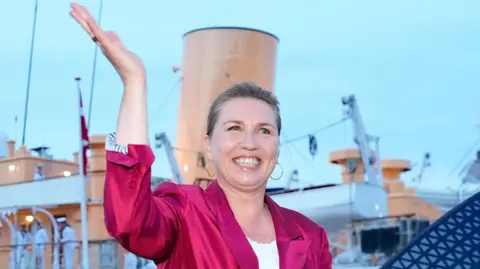
Mette Frederiksen was set to keep Denmark’s top job after more than two months of negotiations produced a centre-left coalition minority government, a deal that followed a parliamentary election on March 24, 2026 and broke a deadlock in the 179-seat Folketing. Frederiksen said she had been to see King Frederik X and that a government could be formed after “long negotiations”; she said the government programme would be presented Tuesday and the new cabinet on Wednesday.
The arithmetic explains the delay. Denmark’s election brought 12 parties into parliament and left neither the left bloc nor the right bloc with a majority, so no camp could govern alone. The reported coalition brings together Frederiksen’s Social Democrats, the Socialist People’s Party, Radikale Venstre and the Moderates. Those four parties hold 82 seats, short of the 90 needed for a majority, which means Frederiksen will still need outside support, likely from a separate leftist and green alliance, to pass budgets and legislation.
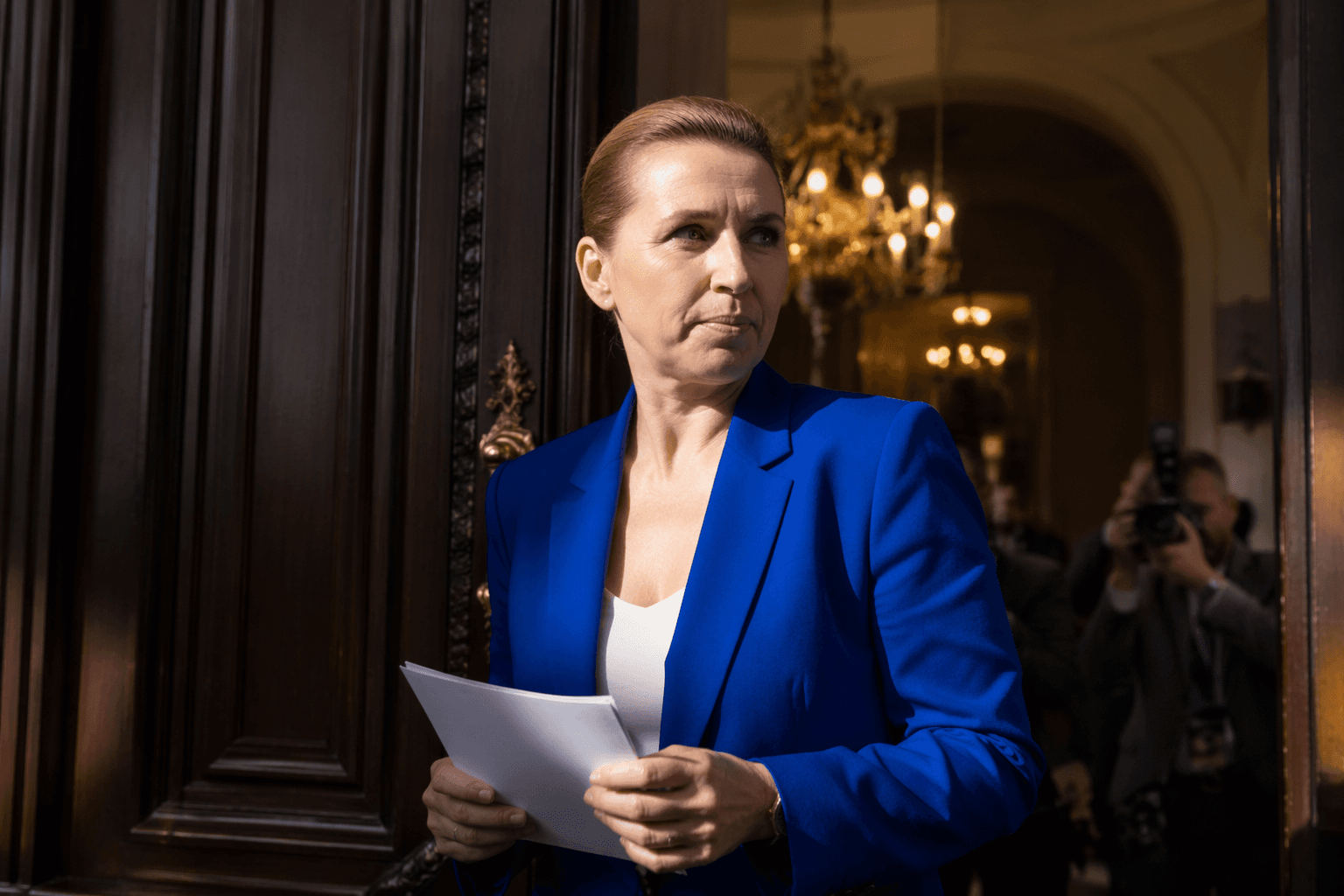
For American readers, the key point is that Denmark’s coalition system rewards bargaining over winner-take-all politics. In practical terms, Frederiksen traded ideological purity for governing power: she accepted a broader, more fragile alliance rather than trying to rule from a narrower Social Democratic base. That trade-off was sharper because her party won just 38 seats, down from 50 in 2022, and its 21.9 percent vote share was the weakest since 1903.
The talks also stretched far longer than Frederiksen’s last coalition deal. In 2022, she broke a major political precedent by forming Denmark’s first cross-bloc coalition in more than four decades with the Liberals and the Moderates after 42 days of negotiations. This year’s talks were even longer, reportedly the longest in Denmark’s history, after an initial attempt by the centre-right Liberals to assemble a government failed and the king asked Frederiksen to try again.
The new government enters office under heavy pressure at home and abroad. The campaign was shaped by the cost of living, industrial pork farming and a broader argument over Denmark’s direction, but the most urgent test now is foreign policy. The coalition will have to manage a dispute with the United States over Greenland after Donald Trump renewed threats to take control of the Danish autonomous territory, while also pushing ahead with Denmark’s defence buildup and the wider security challenge facing Europe.
This article was produced by Prism’s automated news system from verified source data, official records, and press releases, then run through automated quality and moderation checks before publishing. The system is built and supervised by the people who set the standards it runs under. Read our full AI policy.
Did this article answer your question?