Frisco Mother’s Search Leads to First Global SLC6A1 Gene Therapy Dose
Frisco mother Amber Freed connected with UT‑Southwestern researchers and her 8‑year‑old son Maxwell became the first patient dosed in a global gene therapy trial for the ultra‑rare SLC6A1 disorder.
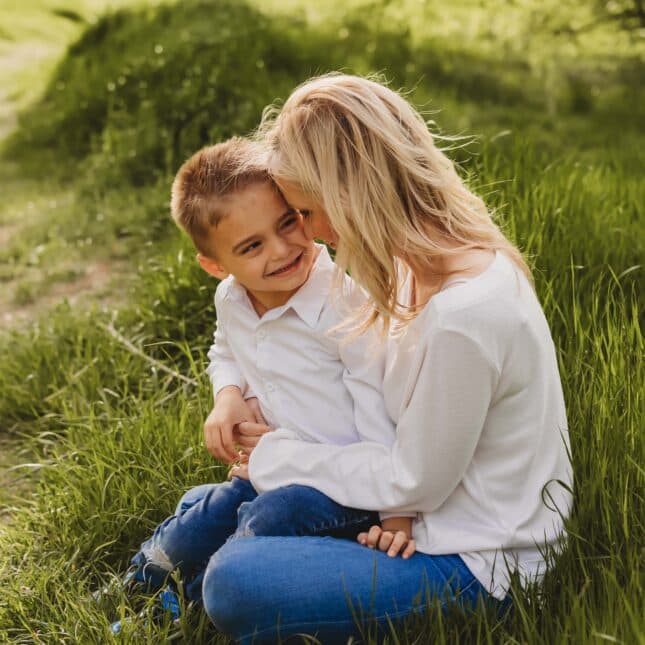
Maxwell Freed, an 8‑year‑old boy from Frisco, was dosed March 2, 2026, as the first patient in the world to receive a clinical trial treatment aimed at the ultra‑rare SLC6A1 genetic disorder, his mother Amber Freed says after connecting with researchers at UT‑Southwestern and Dr. Steven Gray. The therapy is described by the research team as a targeted or gene replacement approach for SLC6A1, a condition that can cause severe epilepsy and developmental loss of skills.
Physicians first diagnosed Maxwell with SLC6A1 when he was 18 months old in 2018, after his mother noticed he was not developing like his twin sister Riley and began displaying “strange movements.” The disorder has been associated with epilepsy, movement and speech disorders, intellectual disability, and behavioral and psychiatric challenges, and doctors warned the family of life‑threatening seizures and progressive loss of skills for which there is no established cure.
Amber Freed said she poured years into finding an option for her son, calling scientists globally until she connected with UT‑Southwestern specialists. “Like any mother, I decided to fight. I decided this was not going to be Maxwell’s story or my family’s story,” she said. Amber recalled being told early on that Maxwell was “one of 34 in the world” and placed in a bucket that was “too rare to care,” a remark she said galvanized her search for experimental treatments.
UT‑Southwestern investigators, led in part by Dr. Steven Gray, developed the investigational therapy and moved to enroll Maxwell. Dr. Gray described the genetic cause of the disease as the result of “random mistakes in the DNA,” saying, “This is something that kids are just born with due to just random mistakes in the DNA. No fault of the parents, no fault of anybody. It's just random bad luck.” Researchers characterize the trial intervention as a gene replacement or targeted gene therapy designed to address the missing or defective SLC6A1 function.
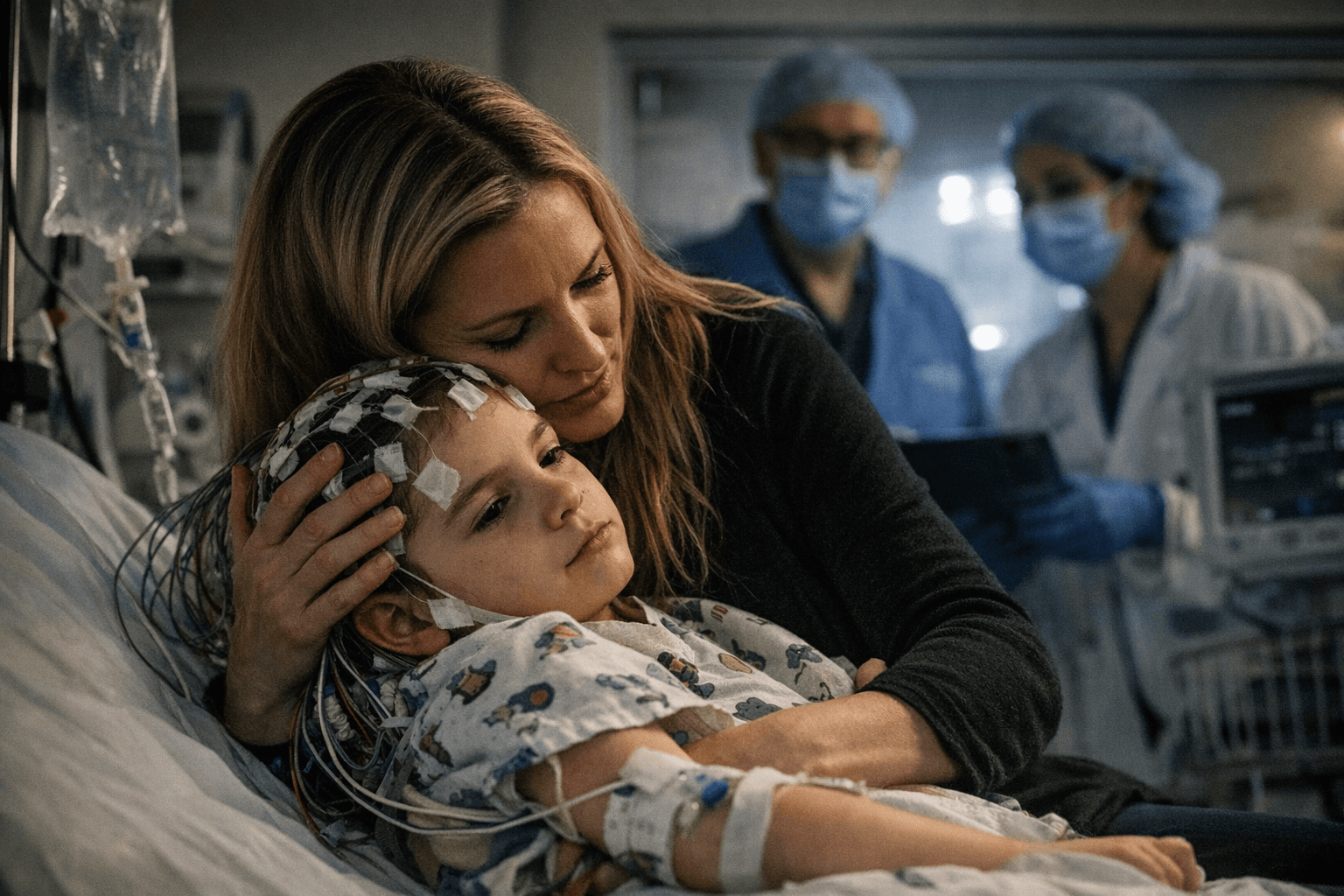
The Freed family previously relocated from Denver to be near UT‑Southwestern specialists while Maxwell was younger, seeking expertise on seizures and developmental conditions. Medical staff photographed a moment of affection before dosing, showing Maxwell embracing a doctor just prior to receiving the gene therapy dose.
Publicly available details about the trial remain limited: the research team has described the approach but has not released a trial name, registration identifier, phase designation, dosing regimen, vector type, or long‑term safety data. Those technical specifics and independent confirmation of the “first in world” dosing should be provided by UT‑Southwestern or the trial sponsor as investigators move into the monitoring phase.
For a family that was told the condition was “too rare to care,” the first dosing represents a concrete milestone on a path from diagnosis at 18 months in 2018 to an experimental, potentially disease‑modifying intervention in 2026. Medical monitoring, follow‑up and transparent reporting of outcomes will determine whether the therapy can alter the course Amber and her family were warned was likely to include debilitating epilepsy and loss of developmental gains.
Know something we missed? Have a correction or additional information?
Submit a Tip