FT Columnist Warns AI Can't Fully Replace Human Touch for Valentine's Gifts
Robert Shrimsley tested ChatGPT for Valentine's ideas; Columbus planners use the tool for practical tasks like counting rose petals for a 25-foot aisle but warn it cannot replace human judgement.

“Financial Times columnist Robert Shrimsley tests ChatGPT for Valentine's ideas, acknowledging AI's potential to remember dates and organize presents but expressing reluctance to outsource romantic gestures entirely.” That blunt appraisal sets the frame for gift-givers deciding how much of Valentine’s Day to delegate to a chatbot.
Shrimsley’s experiment with ChatGPT, described in his Financial Times column, highlights two practical strengths: AI can reliably remember anniversaries and assemble lists of presents. Those are the exact chores many busy couples ask a digital assistant to handle; the columnist’s hesitation to hand over the creative or emotional work of courtship is the counterweight.
Practitioners in the events industry echo that practical-versus-personal divide. Kristin Gibson of Signature Event Planning in Columbus said, “AI has been incredible in some ways, and challenging in others,” and that the firm now uses ChatGPT “over Google for questions like, ‘how many rose petals do we need for a 25 foot aisle?’” Gibson gave a second concrete example of creative use: “It’s also great for generating a photo of something that is in our head but we can’t find a direct example of. We’ll ask ChatGPT to ‘imagine a wedding reception that is fully submersed in blue tones’ and it will generate something.”
That utility comes with limits that matter for anyone buying a meaningful gift or hiring a vendor. Gibson warned, “Unfortunately, … We do think that couples rely on AI just a little too much, in place of vendor expertise. When we work with our couples, we will explain to them that the experienced vendor is always a better asset than a robot.” She flagged the practical consequences of unrealistic expectations: “Many couples use Pinterest when planning a wedding,” and “And we think that an unrealistic expectation is being set by some of the AI generated images you’ll see. Clients will find images that they love, but it might be out of reach within their budget or physical limitations.”
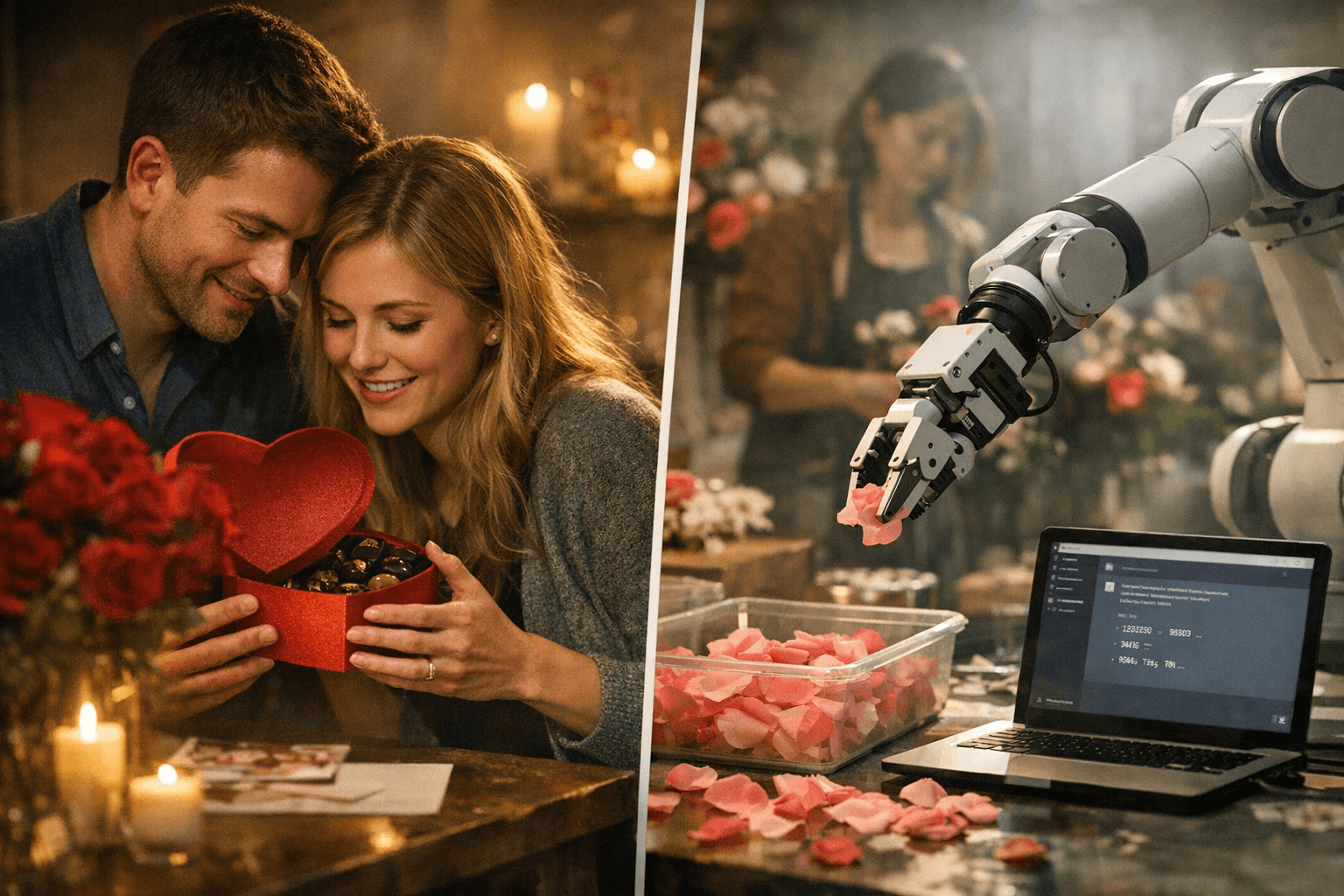
Another planning voice, identified only by the surname Lovell in local reporting, placed the limits in industry terms: “AI is a tool, not a replacement for 30 years of experience. There have been times where AI-generated suggestions didn’t fully account for real-world event variables, like weather conditions, crowd behavior, or venue-specific limitations. Event planning still requires human judgment, especially when it comes to safety, timing, and guest interaction. Relying too heavily on AI without practical over-sight can lead to gaps in execution.” Lovell also noted that AI “has already impacted personal workflow in the planning industry.”
Signature Event Planning’s practice of transparency frames the middle ground Shrimsley and local planners occupy. Gibson said, “We are very transparent in our use of AI with our clients,” and that staff even joke, “We’ve even joked with them, if they have a question we can’t answer – we’ll say ‘let’s just ask ChatGPT.’” She concluded that for “a unique, curated, intentional event, you really need an experienced human to plan it.”
The takeaway for Valentine’s Day is direct: use AI where it helps remember dates or calculate logistics, as Shrimsley’s test and Gibson’s rose-petal example show, but keep the gesture-making and judgment calls in human hands where experience, constraints, and emotion matter.
Know something we missed? Have a correction or additional information?
Submit a Tip