FTC warns fake invitation texts and emails are phishing scams
Fake graduation and summer party invites are steering people to phishing pages that steal logins, then reuse those accounts to target friends and family.
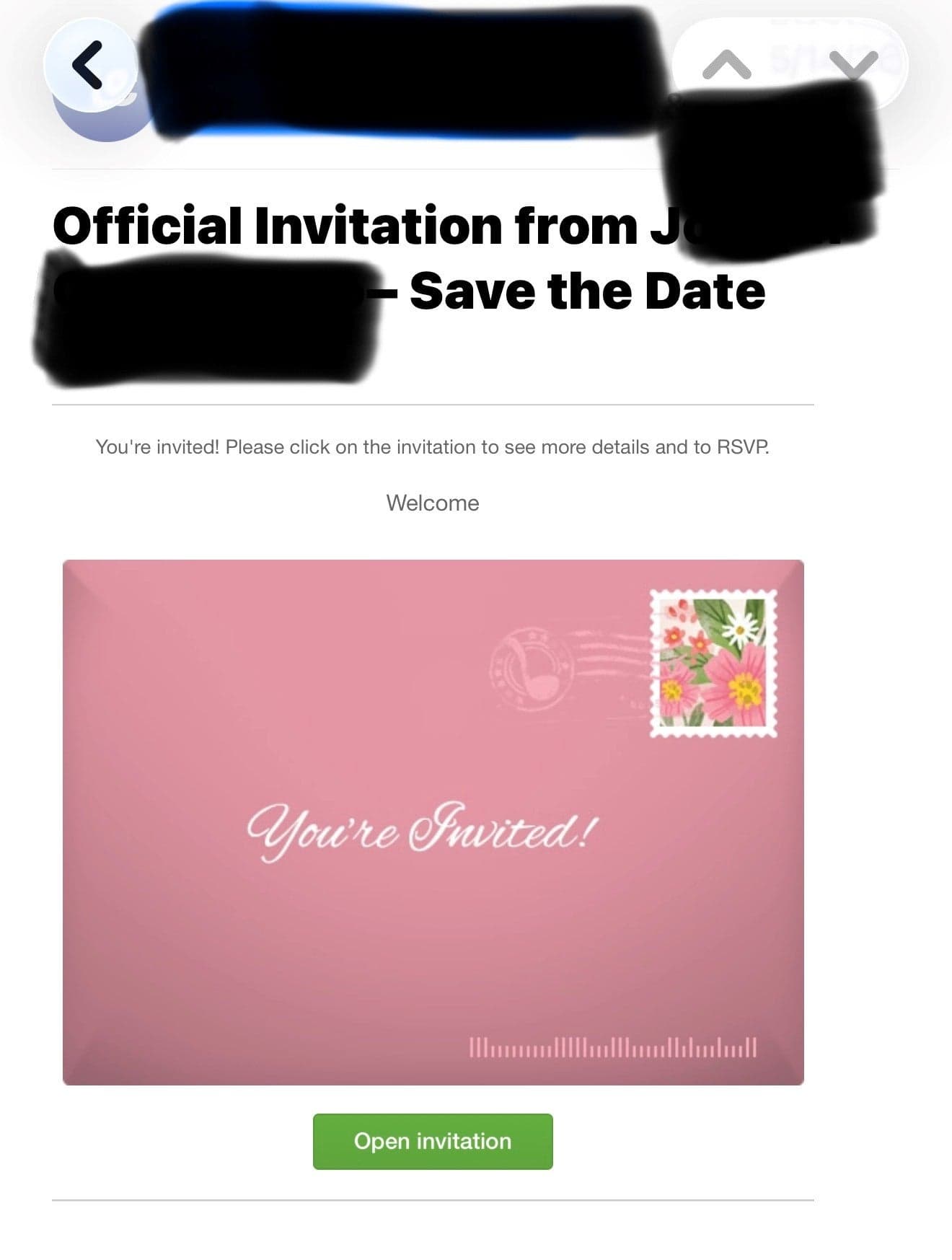
A wave of “You’re invited” texts and emails is turning graduation season and summer party planning into a phishing opportunity. The fake invites look like routine e-vites, but some are designed to push people to a payment page or a login screen that captures email credentials and opens the door to account takeover.
The Federal Trade Commission warned on May 26, 2026, that it has been getting reports of unexpected invitation messages that are actually scams. In some cases, the messages mimic well-known platforms such as Evite and Paperless Post. Others ask recipients to enter an email username and password to view event details, or to type in a phone number and special code just to RSVP. The FTC said legitimate invitations do not work that way.

That detail matters because a compromised inbox can become a launchpad for more fraud. If scammers get into an email account, they may send the same fake invitation to the victim’s contacts, making the scam look more familiar and harder to spot. The FTC said these messages can arrive by email or text, and they can lead not only to stolen credentials but also to identity theft or malware.
The agency’s advice is direct: do not click on unexpected invitation links. Verify the event with the host through a known phone number or message thread, keep software updated, turn on two-factor authentication, and change passwords quickly if any login details may have been exposed. People who suspect a scam can report it through the FTC’s fraud and identity theft reporting channels or by texting SPAM to 7726.
The warning lands against a wider backdrop of fraud losses that keep climbing. FTC data show consumers reported losing more than $12.5 billion to fraud in 2024, a 25% increase from the year before. Evite said it has seen a notable rise in phishing scams beginning in early 2026, while Paperless Post has also said impersonation attempts aimed at online invitation platforms have been on the rise. Both companies have told users that a real invitation should not demand a login just to see the event or RSVP, a simple check that can stop a costly scam before it starts.
This article was produced by Prism’s automated news system from verified source data, official records, and press releases, then run through automated quality and moderation checks before publishing. The system is built and supervised by the people who set the standards it runs under. Read our full AI policy.
Did this article answer your question?

