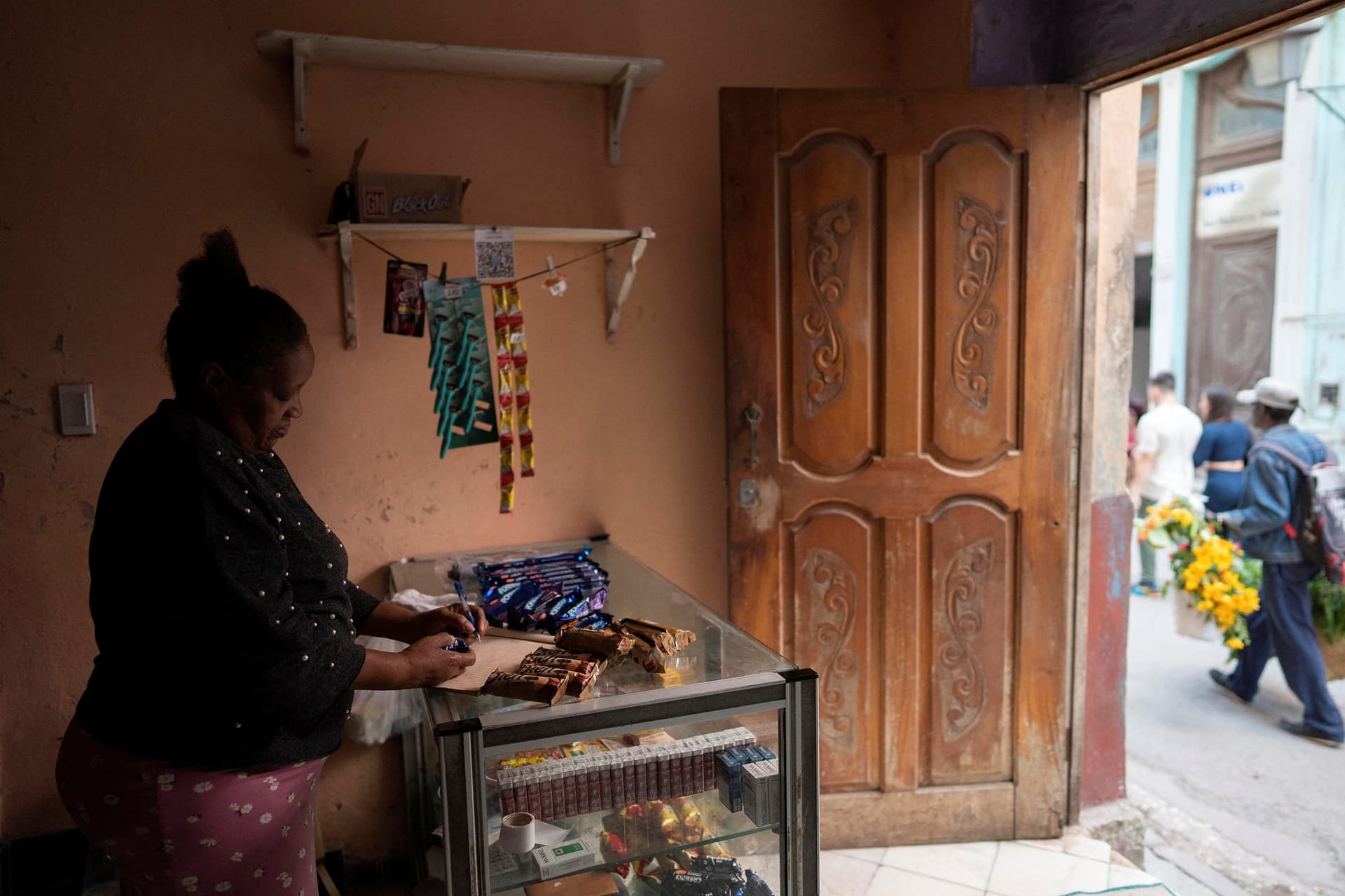
Fuel blockades and shortages choke movement and business, imperil Cuba’s economy
A de facto restriction on fuel shipments, ageing plants, and maintenance shortfalls have pushed Cuba to the brink, triggering a 16-hour blackout and broad government workplace and health cuts.
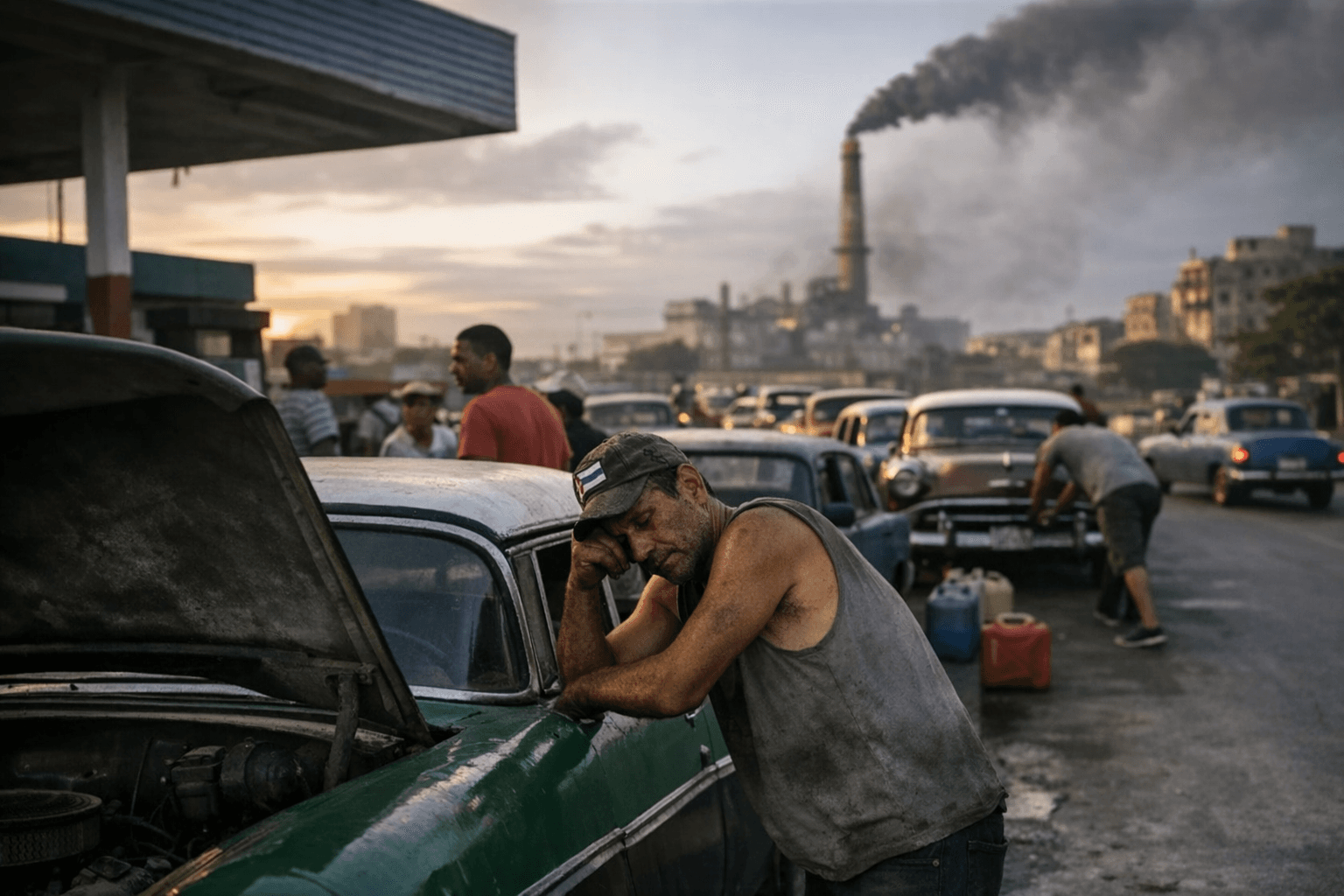
A de facto restriction on fuel and oil shipments — compounded by ageing infrastructure and a fragile maintenance cycle — has pushed Cuba’s economy toward a precarious edge," an Al Jazeera analysis published 5 March 2026 says, and the impact was immediate: "This week the island experienced a 16-hour blackout and as of Thursday, less than half the country had its power back." The publication ties the outages directly to dwindling diesel and constrained imports, leaving businesses, hospitals, and households without reliable electricity during the week of the analysis.
The analysis places the outages inside a longer economic slide: "Cuba’s GDP has contracted by 15 percent over the past five years," and "indicators for life expectancy, infant mortality, education, and public health have all deteriorated." Daniel Torralbas, a Cuban economist cited in the piece, summed up the outlook bluntly: "Torralbas is not optimistic about the Cuban economy." He adds, "This year will probably be one of the toughest for the Cuban economy since the revolution," framing the current fuel shock as a crisis that compounds a multi-year decline in output and social services.
The government has already enacted operational changes to cope with shortages. "Many state-sector employees have been moved to remote work, other workers have been reassigned, and the work week has been cut to four days. Non-essential surgeries have been suspended, and college students have been sent home," the Al Jazeera analysis reports. Those measures reflect strain across public services and the health system during and after the nationwide blackout described in the report.
Torralbas identifies transportation and industry as the sectors most immediately vulnerable: "Sectors that rely directly on fuel, such as transportation and industry, will be hit hardest. But all businesses - private and state-run alike - are feeling the impact." Firms that depend on diesel for logistics and generators are already reducing schedules or pausing operations, and the analysis warns that tighter fuel availability will ripple through food supply chains and municipal services.
On the international front, Al Jazeera notes a recent policy move from Washington: "This week the US Department of the Treasury said it will allow the resale of some Venezuelan oil to Cuba for 'commercial and humanitarian use'." The analysis also flags a major caveat: "But it’s not clear if businesses will be able to pay those market rates." That gap between authorization and commercial feasibility raises immediate questions about how much supply the Treasury move will actually free up for Cuban refineries and distributors.
Voices on the ground reflected the restriction on movement and pocketbooks. A resident identified only as Mena told Al Jazeera, "This whole situation feels just like during COVID. Back then, we were locked up at home because going out could make us sick. Now we can go out, but you can’t really move around because it’s too expensive." A Facebook excerpt (truncated) corroborated social-media reports of outages and shortages: "In Cuba, people are struggling with frequent blackouts, shortages of gasoline and cooking gas and dwindling supplies of diesel that power the" — the post ends mid-sentence in the excerpt supplied to the analysis.
Torralbas stresses the scale of the policy challenge and the limits of outside help: "Given the seriousness of the situation, there is no way to recover without structural change. We need fuel, food, and foreign currency… and no external saviour will come to supply everything Cuba needs—not China, nor Russia, nor, of course, Venezuela, which has changed a lot since January 3." The Al Jazeera analysis concludes that unless imports and maintenance cycles are restored quickly, the government will likely need to impose further measures to cope with the fuel shock, signaling continued restrictions on movement and business operations through the coming months.
Know something we missed? Have a correction or additional information?
Submit a Tip