Fuel shock deepens airline divide, stronger carriers keep investing
Fuel costs are set to jump nearly 40% to $350 billion in 2026, splitting airlines into those that can keep investing and those forced to retreat.
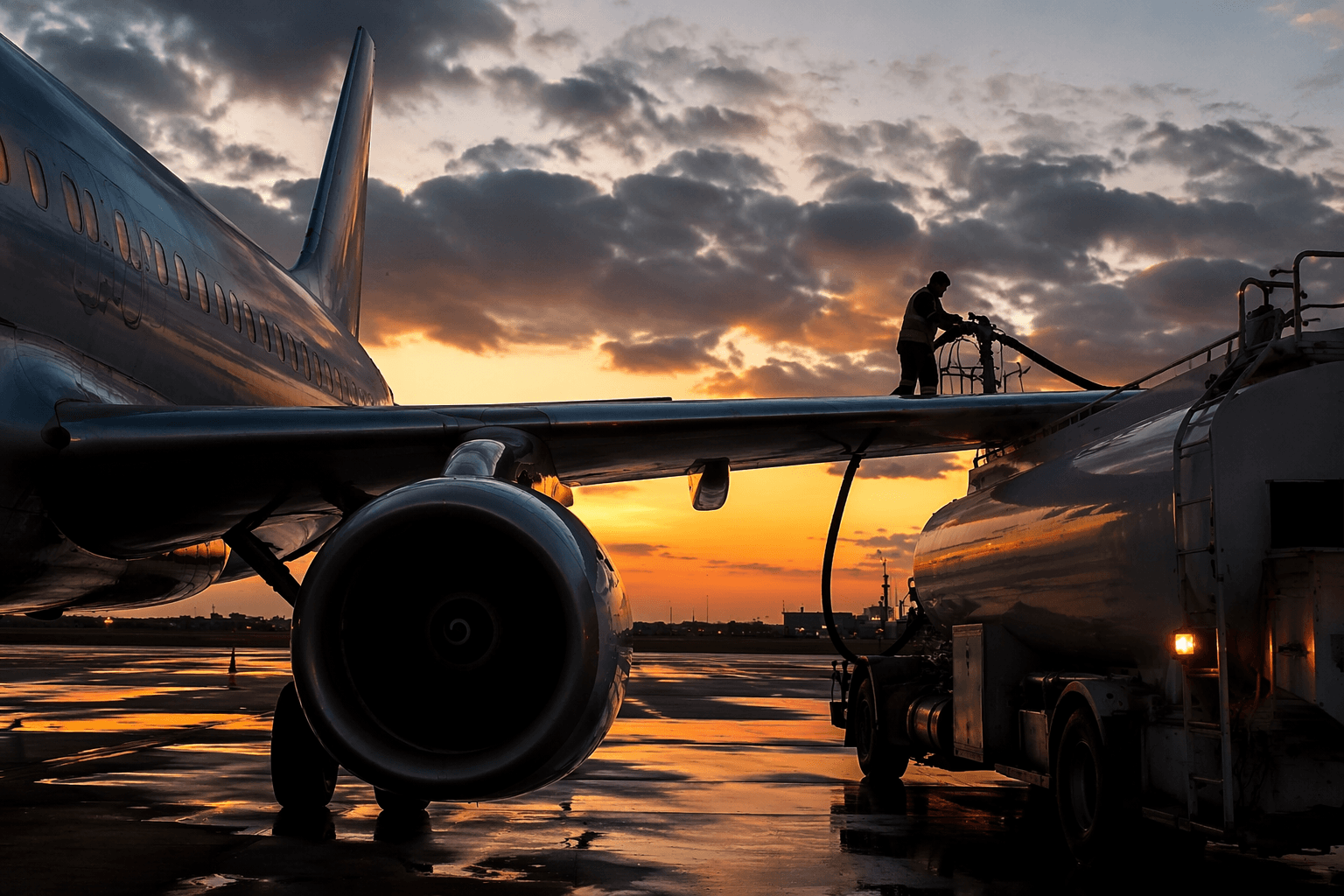
The latest fuel shock is doing more than squeezing airline margins. It is sorting the industry by strength, with the best-capitalized carriers still able to spend on lounges, premium cabins, onboard technology and long-haul networks while weaker rivals pull back and conserve cash.
At the International Air Transport Association’s annual meeting in Rio de Janeiro, Brazil, the industry group said war-related Middle East disruptions and high fuel prices would cut global airline net profit to $23 billion in 2026 from $45 billion in 2025. It projected a net margin of just 2.0%, even as revenue rises to $1.165 trillion, passenger numbers reach 5.1 billion and load factor hits a record 84.0%. Passenger traffic growth is expected to slow to 2.1%, while fuel costs climb nearly 40% to $350 billion from $252 billion, based on an average Brent crude price of about $95 a barrel.
That squeeze is widening the gap between airlines that can keep improving the customer experience and those that cannot. Business and first-class travelers make up only about 3% of passengers, but they generate roughly 15% of passenger revenue, and premium fares average about five times economy fares. That makes premium cabins and airport amenities a central defense for airlines with stronger brands and balance sheets, especially as price-sensitive travelers pull back in a broader K-shaped economy.
Roberto Alvo, chief executive of LATAM Airlines Group, said airlines may need to cut capacity further if elevated fuel prices persist into 2027. IATA also warned that the fuel shock and Middle East disruption could linger into next year, leaving jet fuel crack spreads elevated if the conflict continues. The backdrop is already difficult: airlines want to refresh cabins and expand service, but new aircraft remain in short supply, making it harder to grow capacity or modernize fleets quickly.
The divide is already visible in the United States. Delta Air Lines said in April that soaring jet fuel prices driven by the Iran war would add more than $2 billion to its costs in the June quarter, and it pulled planned capacity growth for the period. That kind of retrenchment shows how quickly higher fuel can force even large carriers to trim ambitions, while companies with stronger cash flow keep pressing ahead.
For travelers, the result could be a wider split in fares, service and route choice. Airlines with the strongest balance sheets are likely to keep investing in premium products and international reach, while weaker carriers risk becoming less differentiated and more vulnerable to consolidation pressure. If fuel stays high, the competitive gap may last long after the shock itself fades.
This article was produced by Prism’s automated news system from verified source data, official records, and press releases, then run through automated quality and moderation checks before publishing. The system is built and supervised by the people who set the standards it runs under. Read our full AI policy.
Know something we missed? Have a correction or additional information?
Submit a Tip
